2026 How to Choose the Right Drilling Wire Rope for Your Needs?
Choosing the right Drilling Wire Rope is crucial for any drilling operation. This decision impacts safety, efficiency, and overall performance. Many factors influence the selection process, such as load capacity, flexibility, and durability.
When evaluating Drilling Wire Rope, understanding its specifications and applications is essential. Different projects require different types of wire ropes, and a mismatch can lead to significant issues. Be mindful of the working environment as well.
In this guide, we will explore various aspects of Drilling Wire Rope selection. We aim to provide practical insights and tips to enhance your decision-making process. Recognizing your specific needs is the foundation for making an informed choice.
Understanding the Basics of Drilling Wire Rope Components
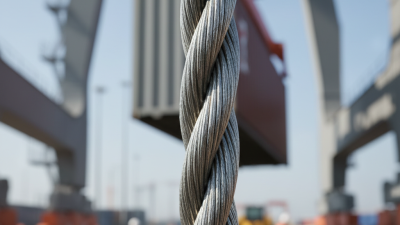
When selecting the right drilling wire rope, understanding its components is crucial. The wire rope consists of individual wires arranged in strands. These strands are laid together to form the rope's overall strength. Each component plays a distinct role. For instance, the core can be steel-based or fibers, impacting flexibility and tensile strength. The selection must align with the specific drilling conditions.
Another critical aspect to consider is the rope diameter. A thicker rope generally offers higher load-bearing capacity but may reduce flexibility. Conversely, thinner ropes can navigate tighter turns more easily yet might not withstand heavy loads. Regular inspections for wear and damage can help detect issues early. A worn-out rope may break under pressure, leading to downtime. It’s essential to strike a balance between durability and maneuverability, ensuring the chosen rope meets operational demands.
Lastly, it’s worth reflecting on the maintenance of the wire rope. Proper lubrication and storage can extend its life significantly. Ignoring these details can lead to unexpected failures. Making informed choices requires assessing all components thoroughly. Even minor oversights can have substantial consequences during drilling operations.
Drilling Wire Rope Selection Criteria
This bar chart illustrates key specifications to consider when choosing the right drilling wire rope. The dataset includes load capacity in tons, diameter in millimeters, type of construction, weight per meter in kilograms, and flexibility ratings. Understanding these dimensions will aid in making the best selection for your drilling needs.
Identifying Different Types of Drilling Wire Rope Available
When selecting drilling wire rope, understanding the types available is crucial. There are several categories, each tailored for specific applications. Steel wire ropes are common in drilling environments due to their strength and durability. A recent industry report indicates that these ropes can endure tensile loads exceeding 200 kN.
Another type to consider is plastic-coated wire rope. This option provides an added layer of protection against corrosion. It is especially useful in offshore drilling operations where moisture is prevalent. Current data reveals that using plastic-coated ropes can extend their lifespan by up to 30%.
Each type has unique specifications. Regular inspections are essential to evaluate wear and tear. However, even the most robust rope may face limitations in extreme conditions. Continuing advancements aim to enhance these materials but often come with increased costs. It’s vital to weigh performance against budget constraints.
Assessing Load Capacity and Strength Requirements for Your Application
Choosing the right drilling wire rope involves understanding load capacity and strength. Each project has different requirements. Evaluating these factors early on can prevent costly mistakes.
Assess how much weight the rope will need to handle. Consider both static and dynamic loads. Each application requires different performance metrics and standards.
Strength ratings are crucial. This not only involves material strength but also the rope’s construction. Different designs offer varied resistance to wear and tear. Review your options carefully.
A rope that seems strong might not be suitable for your specific task. Testing is vital. Engage in trials where possible. Verify the rope’s performance under real working conditions.
Think about environmental factors too. Exposure to elements affects durability. Heavy-duty applications may need additional reinforcement. Sometimes, compromises are necessary.
Finding the balance between strength and flexibility can be challenging. Conduct thorough research to identify potential pitfalls and improve your selection process.
Evaluating Environmental Conditions and Their Impact on Wire Rope Selection
When selecting the right drilling wire rope, understanding environmental conditions is crucial. These factors can significantly impact the performance and longevity of your wire rope. For instance, high humidity environments can lead to corrosion. In contrast, extreme temperatures may affect the rope's flexibility and strength. Consider the specific conditions where the wire rope will be used. This helps in making informed choices.
Furthermore, different geographical areas present unique challenges. Coastal regions may have saltwater exposure, heightening the risk of rust. In contrast, dusty environments can cause abrasion. It's essential to evaluate the physical terrain as well. If the drilling site is rocky, a robust wire rope capable of enduring high friction is necessary. Always keep in mind that environmental assessments should be an integral part of your selection process.
Lastly, reflect on the limitations of existing wire ropes. Not all ropes can withstand sudden changes in environmental conditions. Some may perform well initially but fail after prolonged exposure. Testing your choices based on simulated conditions is wise. This approach not only enhances reliability but also prolongs the service life of the equipment. Seek expert guidance when in doubt to ensure your selection matches the environmental demands.
Maintenance Tips for Ensuring Longevity of Your Drilling Wire Rope
When it comes to drilling wire ropes, maintenance is key for longevity.
Regular inspections can prevent costly failures. Check for signs of wear, such as fraying or kinks. This helps ensure the wire rope performs effectively.
Keeping the wire rope clean is crucial. Dirt and debris can cause abrasion and wear. Use a soft brush to remove buildup. Lubricating the wire rope can also reduce friction. This simple step may extend its life significantly.
Be aware of the environment. If the rope is used in harsh conditions, such as chemicals or extreme temperatures, more frequent checks are needed. Pay attention to changes in performance. It is important to keep detailed records of maintenance performed. This can help identify patterns and potential issues over time.