2026 Top Guide to 316l Stainless Steel Flanges for Buyers?
In the world of industrial applications, 316L stainless steel flanges hold a crucial role. These flanges are known for their robustness and resistance to corrosion. Industry experts, like Dr. Mark Anderson, emphasize their importance, stating, "316L stainless steel flanges are essential for ensuring longevity in demanding environments." This highlights their reliable performance.
Manufacturers and buyers must consider various factors when selecting 316L stainless steel flanges. The quality of materials and production processes directly impacts durability. Properly designed flanges prevent leakage and enhance system integrity. However, it is essential to scrutinize suppliers carefully. Not all products marketed as 316L stainless steel meet high standards.
Buyers should be wary of potential pitfalls. Selecting the wrong flange can lead to costly repairs and maintenance. It’s critical to assess certifications and product specifications. Ensuring that the flanges meet industry regulations safeguards your investment. Ultimately, achieving the right balance of quality and cost is key to successful procurement.
Understanding 316L Stainless Steel: Properties and Benefits
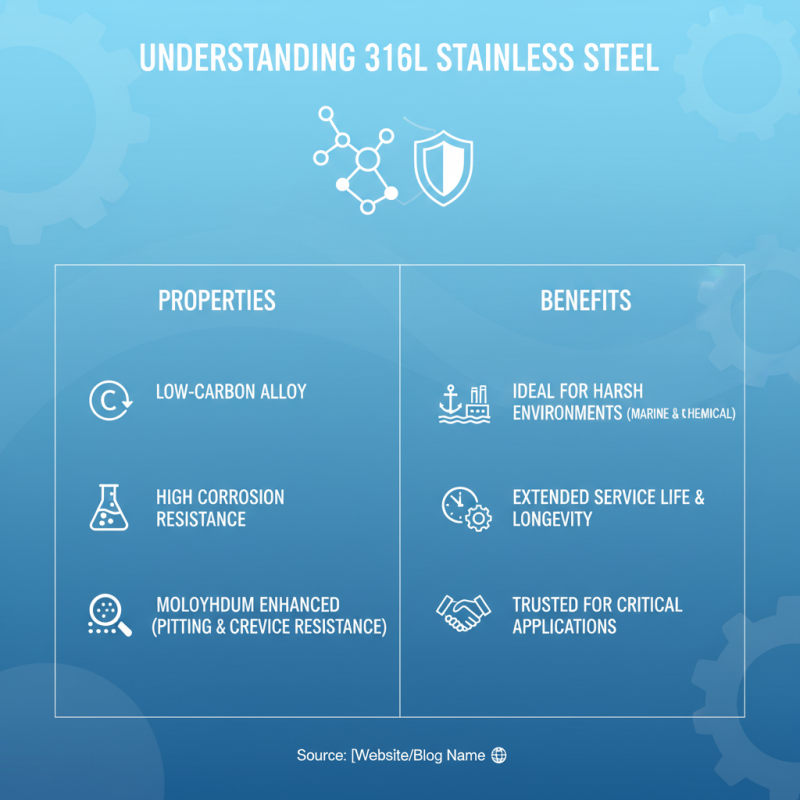
316L stainless steel is a low-carbon alloy renowned for its high corrosion resistance. This property makes it ideal for harsh environments, such as marine and chemical industries. The presence of molybdenum enhances its resistance to pitting and crevice corrosion, ensuring longevity in service. Many manufacturers trust this alloy for critical applications.
In addition to corrosion resilience, 316L is known for its strength. It maintains structural integrity even at elevated temperatures. This makes it suitable for high-stress applications. However, users should be aware that while 316L is versatile, it can be more expensive than other grades.
Welding can be tricky with 316L. Proper techniques are essential to avoid compromising its durability. Heat treatment may not be required, but careful handling is necessary to prevent contamination. Understanding these nuances is crucial for buyers looking to optimize their use of 316L stainless steel flanges.
Types of Flanges Compatible with 316L Stainless Steel
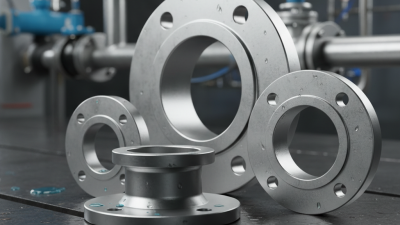
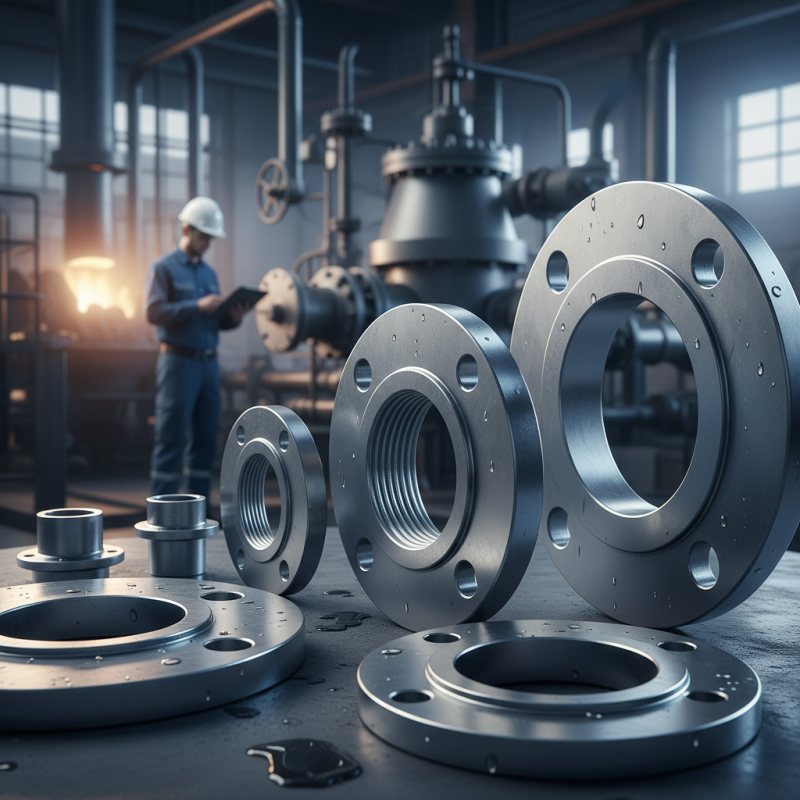
When selecting flanges for 316L stainless steel applications, it’s essential to understand the various types available. The common types include slip-on, blind, and weld neck flanges. Each type serves distinct purposes in piping systems. Slip-on flanges are easy to install and align. They are often used in low-pressure applications. Blind flanges, on the other hand, are designed to seal off ends of a piping system. They are ideal for maintenance and inspection purposes.
Weld neck flanges connect with pipes through welding, providing strength and stability. Their tapered neck allows for a gradual transition in pipe flow. According to a 2021 report by the Global Flange Association, the demand for weld neck flanges has grown by approximately 7% annually, driven by industries like oil and gas. Furthermore, independent studies indicate that using 316L stainless steel flanges can prevent corrosion and lengthen service life under harsh conditions.
It's important to choose the right type of flange based on your specific application. In some cases, the compatibility of flange materials with different environments might be underestimated. Avoiding a thorough analysis can lead to costly failures and downtime. Understanding these nuances in flanges can enhance reliable performance and safety in fluid systems.
Key Factors to Consider When Purchasing 316L Stainless Steel Flanges
When purchasing 316L stainless steel flanges, several important factors should be considered.
First, evaluate the environment where the flanges will be used. 316L stainless steel is highly resistant to corrosion, making it ideal for marine or chemical applications.
However, not all environments are the same. Assess potential exposure to chemicals or extreme temperatures to ensure long-term durability.
Another crucial aspect is the flange specifications. Look for flanges that meet industry standards. Dimensions, pressure ratings, and facing types are vital.
Incompatible specifications can lead to leaks or failures. Always verify the flange's compatibility with your piping system to avoid costly issues later.
Tips: Always request material certification. This helps verify that the flanges meet required standards. Inspect them for any visible defects before installation.
Small flaws can lead to bigger problems down the road. Don't hesitate to consult with an expert if unsure. Seeking advice can prevent mistakes that may seem minor but have lasting effects.
Applications of 316L Stainless Steel Flanges in Various Industries
316L stainless steel flanges play a vital role across various industries.
Their corrosion resistance makes them especially valuable in
chemical processing. In these environments, the ability to withstand harsh substances is crucial. Many manufacturers rely on
316L flanges for pipelines that transport aggressive chemicals.
These flanges are commonly found in marine applications. The marine
environment is notoriously harsh. Saltwater can quickly lead to corrosion in lesser materials. Therefore, using 316L stainless
steel provides not only durability but also longevity. It helps manufacturers maintain the integrity of their structures.
Furthermore, 316L flanges are significant in the food and beverage industry.
Sanitation is key in food processing. Having equipment that can endure repeated cleaning and exposure to various substances is
essential. 316L's smooth surface helps in preventing bacterial growth. It is a relatable concern. However, not all flanges are
created equal. Careful sourcing and proper installation are necessary for optimal performance.
Maintenance and Care for 316L Stainless Steel Flanges
Maintaining 316L stainless steel flanges requires attention to detail. Regular cleaning is essential. Use mild detergents and water to remove dirt and debris. Avoid harsh chemicals. They can corrode the surface. After cleaning, rinse thoroughly with clean water. This prevents any residue from causing stains or pitting.
Inspect the flanges periodically. Look for signs of wear or corrosion. Early detection of these issues can save costly replacements. Pay special attention to the sealing surfaces. Ensure they are free from scratches or damage. Using a soft cloth can help maintain their integrity. Additionally, consider lubricating the connections as needed. This can aid in ease of disassembly and reduce wear.
Environmental factors also play a significant role. Flanges exposed to harsh conditions may need more frequent maintenance. Be mindful of humidity and exposure to chemicals. Each environment brings its own challenges. Consistent upkeep is key. This may require effort and time, but the results will reflect on flange performance and longevity.
2026 Stainless Steel Flanges: Maintenance and Care Insights