2026 Top Hoist Steel Wire Rope Buying Guide for Global Purchasers?
In the market for hoisting equipment, "Hoist Steel Wire Rope" plays a critical role. Experts like John Carter, a senior engineer at Global Hoist Solutions, state, "The right wire rope can mean the difference between efficiency and catastrophe."
When purchasing hoist steel wire rope, several factors must be considered. Durability, tensile strength, and corrosion resistance are paramount. Many buyers overlook these aspects, often driven by price. However, investing in quality can save considerable costs in repair and downtime.
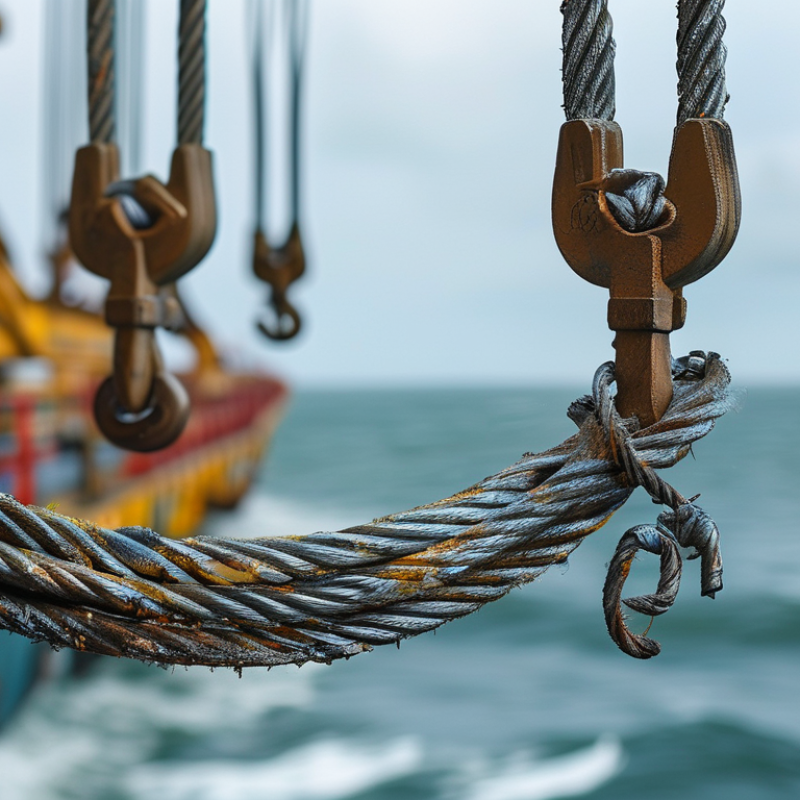
Each industry has its specific needs, requiring tailored solutions. For example, the marine industry demands ropes that resist saltwater corrosion. Understanding these requirements ensures effective performance. Failing to address them can lead to increased risks and operational failures. Knowledge and choice are your allies in making the right decision.
Understanding the Importance of Steel Wire Rope in Hoisting Applications
Steel wire rope is crucial in hoisting applications. Its strength, flexibility, and durability make it the preferred choice for lifting heavy loads. According to industry reports, the global steel wire rope market is projected to grow significantly, reaching approximately $10 billion by 2026. This increase highlights the vital role steel wire ropes play in construction, mining, and transportation sectors.
When selecting steel wire rope, consider the specific needs of your application. Understanding load capacity is essential. The cable’s breaking strength should exceed the maximum load to ensure safety. Pay attention to construction type, such as rotation-resistant or flexible ropes. Proper installation maintains efficiency and prolongs the cable's lifespan.
Tip: Regular inspection of wire ropes is critical. Look for signs of wear, such as broken wires or corrosion. Taking proactive measures can prevent accidents and costly downtimes. Engineers often recommend using lubricated cables in environments where wear is common.
A recent study noted that improper use of wire ropes leads to significant losses. Many users overlook the importance of replacement schedules. Adhering to a maintenance plan is not just good practice; it's necessary for safety and sustainability in operations.
Key Factors to Consider When Selecting Steel Wire Rope for Hoists
When selecting steel wire rope for hoists, several key factors must be considered. One crucial element is the rope's strength. According to data from industry reports, the tensile strength of steel wire ropes typically ranges from 1,400 to 2,600 MPa. This strength range indicates the load the rope can safely handle. A lower strength may lead to premature failure during operation.
Another important factor is the diameter of the wire rope. Ropes that are too thin may not withstand the loads they encounter, while excessively thick ropes can add unwanted weight to the hoisting system. A balanced diameter, aligned with the load requirements, is essential for safe operations.
Corrosion resistance also plays a critical role. Steel wire ropes, especially in harsh environments, require protection against rust and wear. Options such as galvanized or stainless steel ropes may enhance longevity. Still, it’s essential to assess the specific working conditions, as not all coatings are suitable for every environment. Thus, reflecting on your specific needs rather than relying solely on standard specifications is vital.
Comparative Analysis of Different Types of Steel Wire Ropes Available
When it comes to selecting the right steel wire rope, purchasers face numerous options. Different types of steel wire ropes exist, each tailored to specific applications. Knowing these variations ensures the best choice for safety and efficiency. For heavy lifting, a galvanized rope may be preferable. It offers corrosion resistance and durability, making it suitable for outdoor use. However, it can be heavier than alternatives.
Another option is stainless steel wire rope. This type excels in environments prone to moisture or chemicals. Its resistance to rust ensures longevity. Yet, one must remember that it often comes at a higher cost. Other alternatives include coated wire ropes which provide additional protection. While these can be beneficial, they may not always withstand extreme conditions.
Purchasers should also consider the rope's construction. Multi-strand ropes often provide flexibility and strength, which may be crucial for various applications. However, the complexity of the manufacturing process can lead to inconsistencies in quality. Understanding these details can help avoid pitfalls. A thorough evaluation of each type will lead to more informed decisions.
Evaluating Supplier Credentials for Quality Steel Wire Rope Purchases
When purchasing steel wire rope, evaluating supplier credentials is essential. The quality of your wire rope impacts safety and efficiency. A recent industry report indicates that around 30% of workers have experienced safety hazards due to substandard materials. Thus, choosing the right supplier is a critical decision.
Start by examining the supplier's certifications. Look for ISO 9001 or similar quality assurance standards. Certifications provide insight into their quality control processes. Additionally, review their track record. A reliable supplier should have a history of serving reputable clients while maintaining positive reviews. Approximately 45% of buyers prioritize customer feedback when selecting a supplier.
Next, assess the materials used. Steel wire rope comes in various grades, which determine durability. Reports suggest that high-grade wire ropes can increase operational lifespan by up to 60%. Understanding the supplied materials ensures you invest wisely. There might also be discrepancies in pricing. Sometimes, lower costs indicate inferior quality. It’s a nuanced balance between budget and safety.
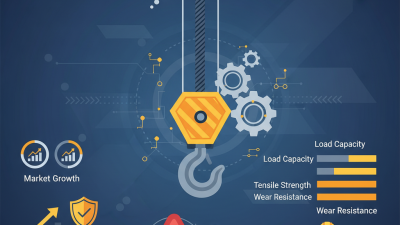
2026 Steel Wire Rope Quality Evaluation Metrics
Maintenance Tips for Prolonging the Life of Steel Wire Ropes in Hoists
Maintaining steel wire ropes in hoists is essential for safety and efficiency. Regular inspections help identify wear and tear. Look for signs of fraying, rust, or kinking. These issues can compromise the wire's strength and lead to failures.
Proper lubrication is another key aspect. Using the correct lubricant reduces friction and prevents corrosion. Apply it evenly, focusing on high-stress areas. Be cautious; over-lubrication can attract debris and cause more harm than good. Remember, each rope type may have specific requirements.
Storage also plays a vital role. When not in use, store ropes in a dry, cool environment. Avoid direct sunlight and harsh chemicals. Coiling ropes correctly prevents twists and tangles. Neglecting these details can shorten their lifespan significantly. Regular training on these maintenance practices fosters a culture of safety.