What is 304 Stainless Steel Angle and Its Applications?
304 Stainless Steel Angle is a versatile material used widely in various industries. It offers excellent corrosion resistance and durability. This alloy is part of the austenitic family, making it tough and easy to work with. Many manufacturers appreciate its balance of strength and formability.
In construction, 304 Stainless Steel Angle is often employed for structural support. It is a preferred choice for frameworks due to its strength. Architects and engineers trust this material for its reliability. Projects ranging from bridges to buildings can benefit from its usage. This angle also finds applications in machinery and equipment.
Despite its advantages, it’s important to assess its limitations. While 304 Stainless Steel Angle resists rust, it isn’t invincible. In environments with high salt or chemicals, it may corrode. Thus, regular inspection is essential to maintain its integrity. Understanding its properties can lead to better applications and longer-lasting structures.
What is 304 Stainless Steel Angle?
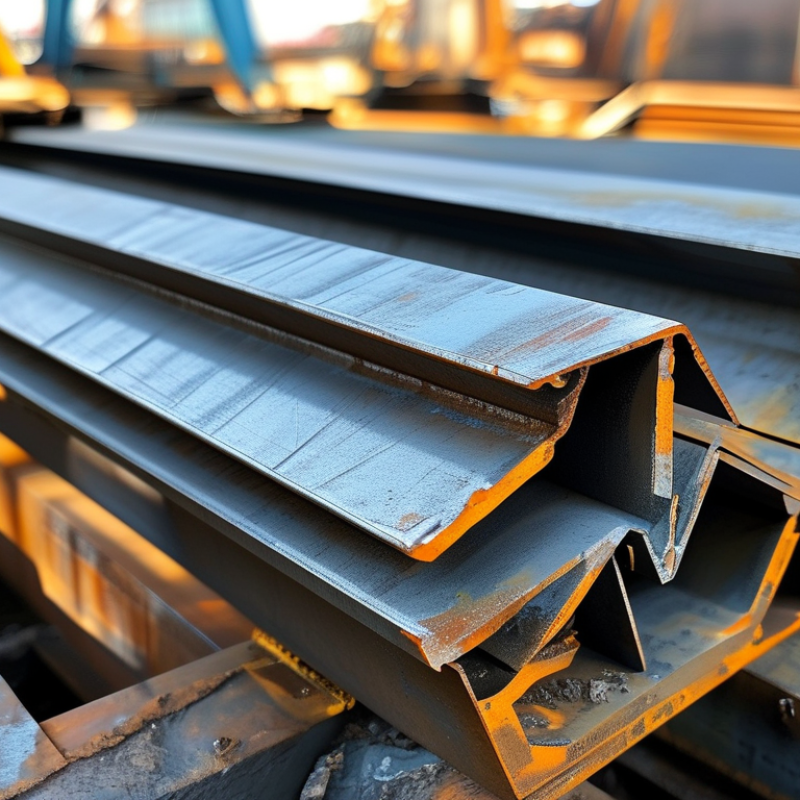
304 stainless steel angle is a versatile material widely used in construction and engineering. It features excellent corrosion resistance and good mechanical properties. The chemical composition primarily includes chromium and nickel, which enhance its durability. This alloy can withstand harsh environments, making it a popular choice for various applications.
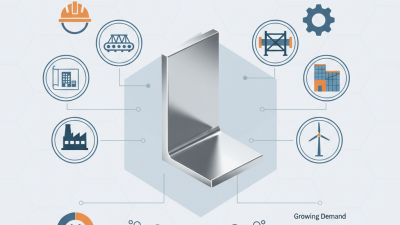
The shape of 304 stainless steel angle typically forms a right angle, providing structural support. It's commonly found in framing, brackets, and supports. Many construction projects utilize this material for its strength and aesthetic appeal. However, some challenges arise in welding and forming, often requiring specialized techniques. Understanding its limitations is crucial for effective use.
In addition to construction, 304 stainless steel angle is found in marine and chemical processing industries. Its resistance to pitting and oxidation makes it suitable for these environments. Yet, improper handling may lead to surface imperfections. Awareness of these factors is important to ensure optimal performance. Adopting best practices can mitigate potential issues and enhance longevity.
Properties of 304 Stainless Steel
304 stainless steel is a widely used alloy known for its excellent corrosion resistance and formability. The primary composition includes 18% chromium and 8% nickel. This combination provides a good balance of strength, ductility, and toughness. One key property is its ability to withstand environments that would corrode less durable steels. This makes it ideal for food processing and kitchen equipment.
Another notable feature of 304 stainless steel is its ease of fabrication. It can be easily cut, welded, and formed into various shapes. Nonetheless, its heat resistance can be a concern in certain applications. Prolonged exposure to high temperatures may affect its structural integrity. While it performs well in many scenarios, understanding these limitations is crucial for its application in industries like construction and manufacturing.
The alloy's versatility makes it a favorite choice across multiple sectors. However, continuous evaluation and testing are necessary to ensure optimal performance in specific environments.
Common Applications of 304 Stainless Steel Angle
304 Stainless Steel Angle is a versatile material widely used in construction and manufacturing. It is known for its excellent corrosion resistance, making it suitable for various environments. This type of stainless steel offers a balance of strength and durability.
One common application of 304 Stainless Steel Angle is in structural frameworks. Builders often use it for beams and supports due to its strength. It can withstand heavy loads, making it reliable in architecture. Additionally, it is frequently found in railings and brackets. These applications demand high resistance to rust, especially in outdoor settings.
Another important use is in manufacturing equipment. The food industry utilizes 304 Stainless Steel Angle for its hygienic properties. Equipment in food processing must comply with strict health standards. However, some users overlook that not all environments suit this type of steel. For example, in marine applications, it may corrode faster than expected. Choosing the right material based on environmental conditions is crucial.
Common Applications of 304 Stainless Steel Angle
Advantages of Using 304 Stainless Steel Angle
304 stainless steel angle is a versatile material widely used in construction and manufacturing. One key advantage is its resistance to corrosion. According to industry reports, nearly 90% of stainless steel applications rely on 304 alloy due to its durability and strength. It is ideal for both indoor and outdoor uses.
This material is also highly weldable and can be easily machined. This makes it a preferred choice for fabricators in various sectors. Its excellent workability allows for complex shapes and designs. Additionally, 304 stainless steel can withstand high temperatures, making it reliable in high-heat environments. However, it’s important to note that while 304 is less prone to rust, it is not completely immune under harsh conditions.
Cost-effectiveness is another significant factor. 304 stainless steel angles provide long-term savings due to their durability. According to industry benchmarks, projects using 304 can reduce maintenance costs by over 30%. However, some might find initial procurement costs higher compared to other materials. Balancing this investment with the benefits over time is crucial for decision-makers.
Comparison with Other Types of Stainless Steel Angles
When comparing 304 stainless steel angles to other types, several key differences stand out. 304 stainless steel is notable for its excellent corrosion resistance and high ductility. It is an ideal choice for applications in food processing and architectural structures. Its balance of strength and formability makes it a preferred option in many industries.
In contrast, 316 stainless steel offers better resistance to saltwater and chlorides, making it suitable for marine environments. This material, however, is typically more expensive. On the other hand, 201 stainless steel angles are less resistant to corrosion but provide a budget-friendly alternative in less demanding conditions.
Understanding these differences is crucial when selecting materials. Each type has its strengths and weaknesses. Choosing the wrong stainless steel can lead to premature failure in applications. An informed decision can enhance durability and reduce long-term costs. It's essential to evaluate the specific needs of the project to ensure the right angle is chosen.
What is 304 Stainless Steel Angle and Its Applications? - Comparison with Other Types of Stainless Steel Angles
| Type of Stainless Steel Angle |
Chemical Composition (%) |
Corrosion Resistance |
Applications |
Strength (MPa) |
| 304 Stainless Steel Angle |
Cr: 18-20, Ni: 8-10.5 |
Excellent |
Structural applications, Food processing, Chemical equipment |
520 |
| 316 Stainless Steel Angle |
Cr: 16-18, Ni: 10-14, Mo: 2-3 |
Superior |
Marine environments, Pharmaceuticals, Food processing |
580 |
| 201 Stainless Steel Angle |
Cr: 16-18, Ni: 3.5-5.5 |
Moderate |
Construction, Decorative applications |
450 |
| 430 Stainless Steel Angle |
Cr: 16-18 |
Moderate |
Kitchen utensils, Automotive trim |
370 |