What is 304 Stainless Steel Belt and its Applications?
The 304 Stainless Steel Belt is a versatile material widely used across various industries. Known for its excellent corrosion resistance and durability, it plays a crucial role in manufacturing and production. Often seen in food processing, material handling, and automotive industries, this belt offers reliable performance under challenging conditions.
Manufacturers value the 304 Stainless Steel Belt for its strength and ease of maintenance. Its smooth surface helps in efficient product flow. However, users must consider its limitations, especially regarding high temperatures and harsh chemicals. Awareness of these factors is essential for optimizing its use.
In applications where hygiene and cleanliness are paramount, the 304 Stainless Steel Belt stands out. It meets strict regulatory requirements, ensuring safety in food-related environments. While it excels in many areas, ongoing evaluation of its performance is necessary to avoid potential issues. Continuous improvement and adaptation are vital in maximizing the benefits of this essential material.
What is 304 Stainless Steel?
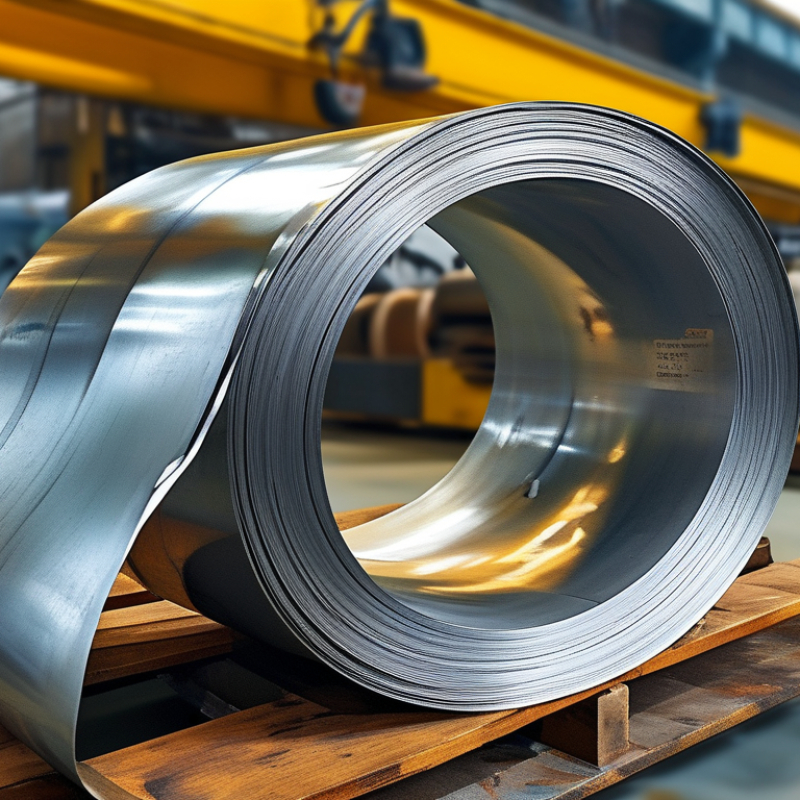
304 stainless steel is a widely used alloy recognized for its versatility and durability. It contains 18% chromium and 8% nickel, which contribute to its excellent corrosion resistance. This makes it suitable for various environments, including both indoor and outdoor applications. 304 stainless steel is often found in kitchen equipment, storage tanks, and pressure vessels, thanks to its ability to withstand high temperatures and resist oxidation.
Beyond its structural benefits, 304 stainless steel is easily fabricated. It can be welded and formed into different shapes without losing its strength. This adaptability is vital for industries such as food processing and pharmaceuticals, where hygiene and safety are paramount. However, there are some challenges. While it is resistant to corrosion, it can still be susceptible to pitting in certain environments, such as those with high chloride levels.
Its aesthetic appeal is another reason for its popularity. 304 stainless steel has a shiny finish that enhances product appearance. However, maintaining its luster requires regular cleaning. Scratches and tarnishing can occur, especially in high-traffic areas. So, while 304 stainless steel is an excellent option for many applications, careful consideration of its limitations is necessary for optimal performance.
Characteristics and Composition of 304 Stainless Steel
304 stainless steel is renowned for its unique blend of properties. This alloy primarily consists of chromium (18%) and nickel (8%). These elements contribute significantly to its corrosion resistance. The result is a steel that withstands harsh environments. It is often used in situations where hygiene is critical.
The mechanical properties of 304 stainless steel are impressive. It exhibits excellent weldability and formability. This makes it suitable for various applications, including food processing and storage. Its resistance to oxidation is another advantage. However, it is worth noting that it may not perform well in highly chloride environments. This could lead to pitting corrosion.
Working with 304 stainless steel requires attention to detail. It is essential to consider the specific requirements of each application. While it offers many benefits, it may not be the ideal choice for every scenario. Understanding its limitations helps in making informed decisions. This approach emphasizes the importance of expertise in selecting materials.
What is 304 Stainless Steel Belt and its Applications? - Characteristics and Composition of 304 Stainless Steel
| Characteristic |
Description |
| Material Type |
304 Stainless Steel |
| Composition |
Chromium 18%, Nickel 8%, Iron |
| Corrosion Resistance |
Excellent resistance to corrosion in a variety of environments |
| Mechanical Properties |
Good tensile strength and ductility |
| Applications |
Used in food processing, chemical installations, and kitchen equipment |
| Temperature Resistance |
Resistant to oxidation up to 870°C (1600°F) |
| Weldability |
Good weldability, can be easily welded using common welding methods |
| Finish Options |
Available in various finishes such as polished, brushed, or matte |
Common Applications of 304 Stainless Steel Belt
304 stainless steel belts are valued for their durability and resistance to corrosion. These belts are versatile and have numerous applications across various industries. They are commonly used in food processing, pharmaceuticals, and manufacturing sectors.
In the food industry, 304 stainless steel belts are often employed in conveyor systems. They transport goods efficiently without the risk of contamination. This makes them suitable for bakery lines, meat processing, and packaging operations. Their ability to withstand high temperatures is crucial in many cooking processes.
In manufacturing, these belts are used in machinery and material handling. They provide reliable performance in both cold and hot environments. However, one area of concern is their potential for wear over time, especially in harsh conditions. Regular maintenance is essential to extend their lifespan.
Tips: Always inspect the belts for signs of wear. Replace them promptly to avoid production delays. Additionally, consider the specific environment where the belt will operate. Certain conditions may require different stainless steel options.
Another application is in the pharmaceutical industry. 304 stainless steel is often used in equipment that must adhere to strict hygiene standards. Belts help maintain cleanliness while facilitating the movement of products. However, not all belts meet these high standards, so careful selection is necessary.
Tips: Verify compliance with industry regulations when choosing a belt. Regular cleaning and sanitization can further enhance performance. Evaluate your needs carefully to find the best solution.
Benefits of Using 304 Stainless Steel in Various Industries
304 stainless steel is widely recognized for its durability and resistance to corrosion. This material finds extensive applications across various industries. Its composition, primarily made of iron, chromium, and nickel, provides strength and versatility. Industries such as food processing, medical equipment, and construction rely on its properties.
The benefits of using 304 stainless steel are significant. It withstands high temperatures and is durable against harsh environments. According to a 2022 report from the U.S. Geological Survey, about 60% of stainless steel production is 304 grade. This grade is favored for its ability to perform well in both high-pressure and high-temperature conditions.
Tip: Always consider the environment in which the material will be used. While 304 stainless steel is corrosion-resistant, some applications may require more specialized grades.
Additionally, 304 stainless steel is easy to clean and maintain. This quality is crucial in the food industry, where hygiene standards are paramount. However, improper maintenance can lead to surface damage and corrosion over time. Regular inspections can help mitigate these issues.
Tip: Regularly check for signs of wear in stainless steel equipment to extend its lifespan.
Benefits of Using 304 Stainless Steel in Various Industries
This chart illustrates the various applications of 304 stainless steel across different industries, showcasing its versatility and importance in sectors such as food processing, chemical production, construction, medical equipment, and automotive manufacturing.
Maintenance and Care for 304 Stainless Steel Products
Maintaining 304 stainless steel products is essential for their longevity and appearance. Regular cleaning is crucial. Use warm soapy water and a soft cloth. Avoid abrasive cleaners that damage the surface. For tough stains, a gentle scrub with a nylon pad can help.
Dry the items thoroughly after washing to prevent water spots. While 304 stainless steel is resistant to rust, it’s not completely immune. Humidity and salt can cause pitting over time. Regular inspections can catch early signs of wear. Keep them polished for a lasting shine.
Store 304 stainless steel away from harsh chemicals and extreme temperatures. Using a soft cloth for routine dusting can preserve its luster. Reflect on any scratches or tarnishing that appears. Address them promptly to maintain the product's quality. Making these simple efforts leads to better performance and aesthetics.