What is 304 Stainless Steel Flanges and Their Uses?
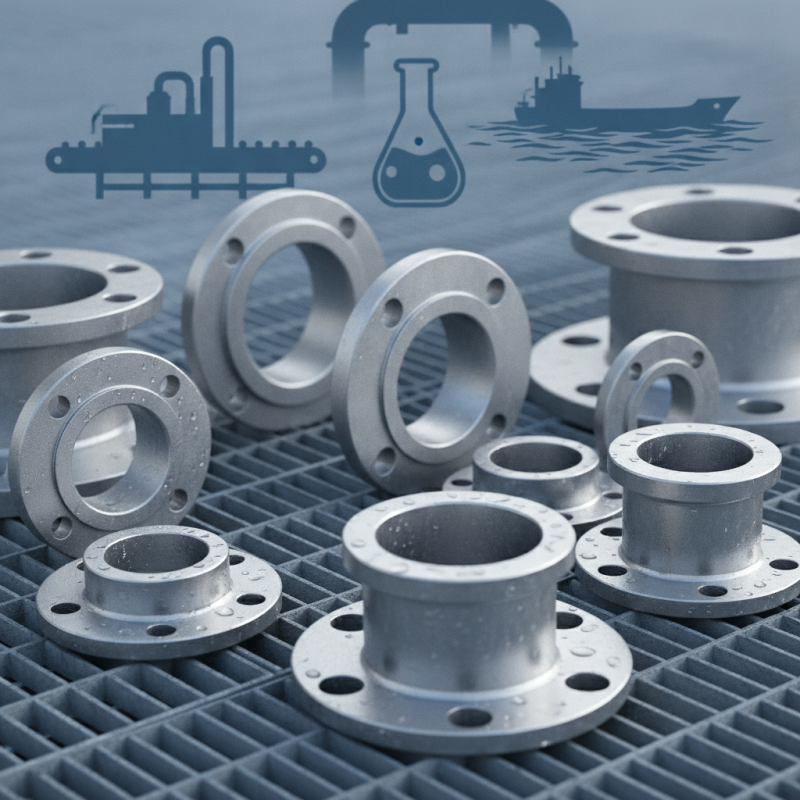
304 Stainless Steel Flanges are essential components in various industries. These flanges provide a crucial connection point in piping systems, ensuring durability and resistance to corrosion. Made from a chromium-nickel alloy, 304 Stainless Steel Flanges excel in environments exposed to moisture and chemicals.
Their versatility makes them suitable for applications in food processing, pharmaceuticals, and marine projects. Users often appreciate their ability to maintain structural integrity under high pressure and temperature. However, some may overlook the importance of selecting the right flange type for specific conditions.
The quality of 304 Stainless Steel Flanges can vary between manufacturers. It is vital to source from reputable suppliers to ensure reliability. Understanding the various applications and limitations of these flanges can enhance overall system performance.
What is 304 Stainless Steel?
304 stainless steel is one of the most widely used alloys in various industries. It primarily consists of iron, chromium (about 18%), and nickel (around 8%). This combination makes it highly resistant to corrosion and oxidation. According to a report by the International Stainless Steel Forum (ISSF), stainless steel consumption has grown significantly, with 304 being a preferred choice due to its versatility and durability. It is found in everything from kitchen appliances to medical equipment.
The material’s strength allows it to withstand high temperatures and pressures, making it ideal for a wide array of applications. It is often used in food processing environments, chemical plants, and marine applications. However, while 304 stainless steel excels in many areas, it can struggle in highly chlorinated environments. In these cases, alternatives like 316 stainless steel may be more appropriate.
**Tips:** Always consider the specific environmental conditions when choosing stainless steel. Regular maintenance and cleaning can help prolong the life of 304 stainless steel components. It's essential to understand that while this alloy is robust, it does have limitations that need addressing to avoid premature failure.
What is 304 Stainless Steel Flanges and Their Uses? - What is 304 Stainless Steel?
| Material Type |
Characteristics |
Common Uses |
Advantages |
| 304 Stainless Steel |
Good corrosion resistance, high strength, excellent formability |
Food processing equipment, chemical containers, and plumbing |
Durability, aesthetic appeal, and easy to clean |
| 304L Stainless Steel |
Low carbon content, enhanced weldability |
Welding applications, marine environments |
Reduced risk of corrosion from sensitization |
| 304H Stainless Steel |
High strength at elevated temperatures |
Power and petrochemical industries |
Enhanced strength at high temperatures |
| 304 Stainless Steel Flanges |
Flat or raised face for sealing |
Connecting pipes, valves, pumps |
Reliable sealing, resistance to rust and corrosion |
Characteristics and Properties of 304 Stainless Steel Flanges
304 stainless steel flanges are widely used in various industries due to their versatility and durability. This material is known for its excellent corrosion resistance, which makes it ideal for applications where exposure to moisture and chemicals is common. The flanges made from 304 stainless steel are non-magnetic and can withstand high temperatures, adding to their appeal in demanding environments.
The characteristics of 304 stainless steel flanges contribute to their reliability. They exhibit strong tensile strength, which is crucial in maintaining joint integrity under pressure. Additionally, they are easy to clean, making them suitable for use in the food and beverage industry. However, there are limitations to consider. While 304 stainless steel offers good resistance to oxidation, it may not perform well in highly acidic environments. Users need to evaluate the specific conditions of their application to ensure optimal performance.
These flanges are available in various shapes and sizes, allowing for customization. Their design can accommodate different installation needs, enhancing their utility. However, incorrect sizing or improper installation can lead to leaks. Users should pay close attention to specifications and guidelines during the selection process. Understanding these qualities and potential pitfalls can help in making informed decisions about using 304 stainless steel flanges effectively.
Common Applications of 304 Stainless Steel Flanges
304 stainless steel flanges are widely used in various industries due to their excellent corrosion resistance and durability. These flanges are made from an austenitic stainless steel alloy, which contains chromium and nickel. This composition enhances their performance in harsh environments, making them ideal for multiple applications.
In the food processing industry, 304 stainless steel flanges are essential. They maintain hygiene and resist rust, providing reliable connections in piping systems. Similarly, in the chemical sector, these flanges handle corrosive substances. Their ability to withstand high temperatures adds to their appeal. Water treatment facilities also utilize these flanges, ensuring efficient and safe operation.
Another common use is in oil and gas pipelines. The reliability of 304 stainless steel flanges helps prevent leaks. However, they may not be suitable for all corrosive environments. Careful consideration of the specific conditions is crucial. Thus, while offering numerous benefits, 304 stainless steel flanges do have their limitations, necessitating further evaluation in some projects.
Common Applications of 304 Stainless Steel Flanges
Advantages of Using 304 Stainless Steel Flanges in Industries
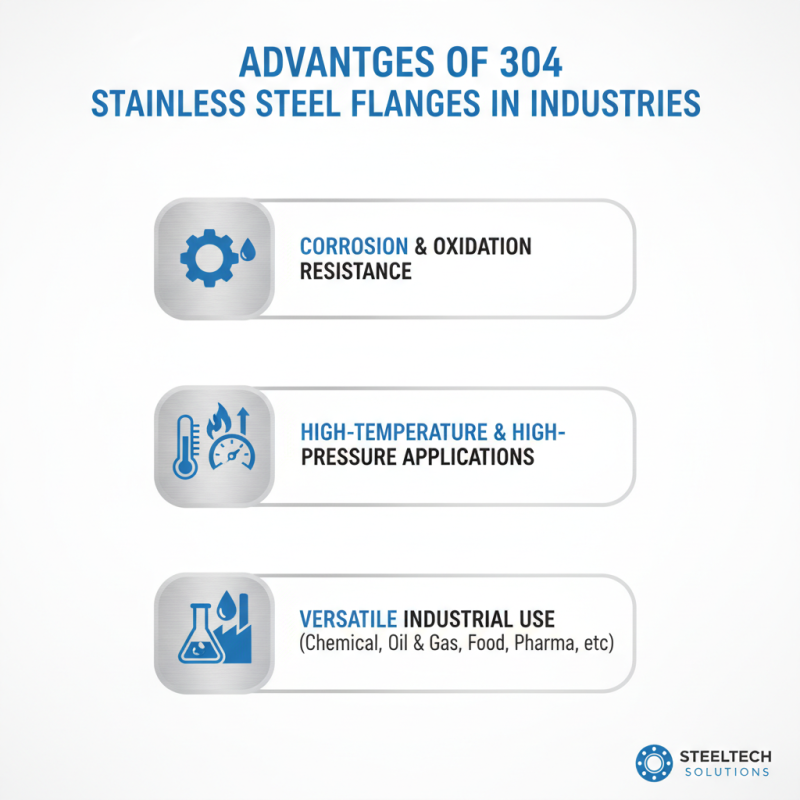
304 stainless steel flanges are widely used in various industries due to their excellent properties. These flanges are made from an alloy that contains chromium and nickel. This unique combination offers good resistance to corrosion and oxidation. As a result, they are ideal for high-temperature and high-pressure applications.
One significant advantage of 304 stainless steel flanges is their durability. They can withstand harsh environments without deteriorating. This feature is crucial in sectors such as oil and gas, food processing, and marine applications. Additionally, they provide excellent strength-to-weight ratio, making them easier to handle during installation.
However, it’s essential to consider that 304 stainless steel flanges may not perform well in highly acidic environments. While they resist corrosion, they are not immune to pitting in those conditions. Proper assessment and selection are vital before deciding on their use. This reflective approach ensures that industries can avoid unexpected failures in their systems.
Maintenance and Care for 304 Stainless Steel Flanges
Maintaining 304 stainless steel flanges is essential for ensuring their longevity and performance. These flanges resist corrosion and are commonly used in various piping systems. However, regular care is needed to keep them in optimal condition.
To prevent rust, keep flanges dry and clean. Use a mild detergent and a soft brush for regular cleaning. Avoid harsh chemicals that could damage the surface. Inspect flanges for signs of pitting or wear. This early detection can prevent costly replacements.
Here are some tips:
1. Store flanges in a dry, cool place.
2. Avoid contact with dissimilar metals.
3. Tighten bolted connections to the recommended torque.
Pay attention to environmental factors. If the flanges are exposed to harsh chemicals, it may lead to accelerated wear. Regular inspections can help maintain their function and reliability. Don't overlook minor damages; they can grow into larger issues over time.