Top Applications of 304 Stainless Steel Angle in Construction and Industry?
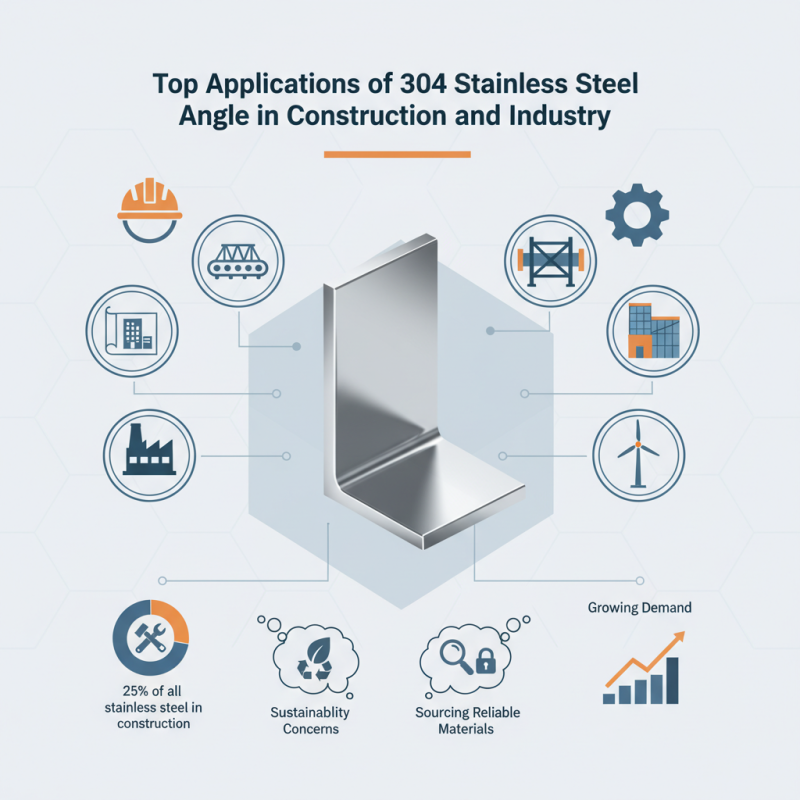
In the realm of modern construction and industry, 304 Stainless Steel Angle has become an indispensable material. Its unique properties offer a robust solution for various structural and architectural applications. According to a 2022 market report, the demand for stainless steel angles is projected to grow significantly, driven by their corrosion resistance and durability.
Industries ranging from construction to manufacturing utilize 304 Stainless Steel Angle for frameworks, supports, and braces. Its versatility is a key advantage, allowing integration into diverse projects. Reports indicate that around 25% of all stainless steel used in construction comprises angles, underscoring their importance. However, users must consider quality, as not all suppliers meet stringent industry standards.
Several challenges remain, including sourcing reliable materials and addressing sustainability concerns in production. Despite these challenges, the use of 304 Stainless Steel Angle continues to rise, highlighting its essential role in advancing structural integrity and design innovation in various sectors.
Overview of 304 Stainless Steel Angle Properties
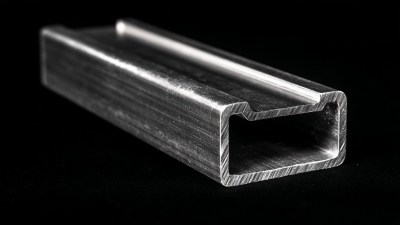
304 stainless steel angle is highly valued in construction and industry due to its unique properties. This alloy boasts excellent corrosion resistance, making it suitable for both indoor and outdoor applications. Its composition includes chromium and nickel, which enhance its strength and durability. Many structures benefit from its robustness, especially in environments prone to moisture.
The versatility of 304 stainless steel angle is noteworthy. It can be easily fabricated and welded, allowing for flexibility in design. Angles made from this material are often used in beams and frames, providing critical support in buildings and bridges. The sleek finish of 304 stainless steel also adds aesthetic appeal, making it a popular choice for architectural applications.
Despite its advantages, it's essential to acknowledge some limitations. While 304 stainless steel offers good resistance to a range of chemicals, it is not immune to chloride attack. This can lead to pitting in marine environments or areas with high salinity. Engineers must consider these factors when selecting materials for specific applications. Insufficient analysis may lead to costly failures in the future.
Top Applications of 304 Stainless Steel Angle in Construction and Industry
| Application |
Property |
Benefits |
| Building Frameworks |
High strength and durability |
Supports structural integrity |
| Handrails and Guardrails |
Corrosion resistance |
Long lifespan with low maintenance |
| Support Brackets |
Versatile applications |
Customizable for various needs |
| Machinery Components |
Tensile strength |
Reliable performance under stress |
| Conveyor Systems |
Good weldability |
Easy assembly and maintenance |
Uses in Structural Engineering and Support Frameworks
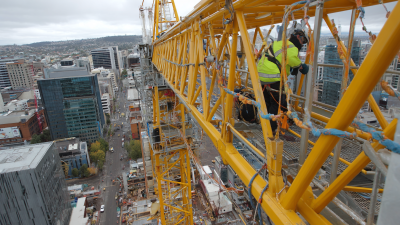
304 stainless steel angle is prevalent in structural engineering. It provides durability and resistance to corrosion. Its inherent strength makes it ideal for frameworks. This metal is often used in beams, columns, and braces. These applications can be found in buildings and bridges.
When designing support frameworks, the 304 angle is essential. It ensures stability and enhances overall integrity. Engineers appreciate its ability to withstand various loads. However, not all environments favor this material. In coastal areas, the chloride content can pose risks. It’s vital to evaluate local conditions before use.
This kind of steel can be fabricated into various shapes. This versatility allows for unique designs in construction projects. However, precise measurements are critical. Any deviation can lead to structural inefficiencies. Architects and engineers must collaborate closely to mitigate these risks.
Role in Industrial Machinery and Equipment Manufacturing
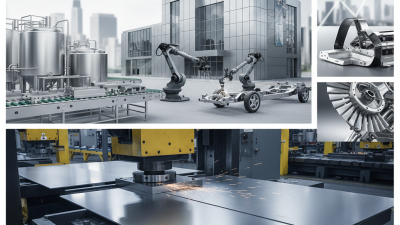
304 stainless steel angle is widely used in industrial machinery and equipment manufacturing. This versatile material offers excellent corrosion resistance and durability, making it ideal for various applications. Many manufacturers choose 304 stainless steel for its structural integrity and long-lasting performance. However, some less experienced professionals overlook the importance of selecting quality angles, potentially compromising the overall strength of their projects.
When applied in industrial machinery, 304 stainless steel angle can enhance equipment longevity. It withstands harsh environments, ensuring consistent performance in factories and plants. For example, machinery frames, support structures, and brackets often utilize this steel due to its strength-to-weight ratio. However, relying solely on 304 stainless steel may not always yield the best results. Understanding the specific requirements of an application is essential for engineers and designers.
In addition to structural applications, 304 stainless steel angles can be found in conveyors and conveyor systems. These systems benefit from the material's resistance to rust and pitting. Nonetheless, deciding on component sizes and configurations requires careful planning. Some projects may demand a mix of materials to achieve optimal efficiency. A thorough assessment of the requirements can lead to better results. Evaluating the role of 304 stainless steel angles in industrial applications can ultimately drive innovation and improve machinery design.
Benefits of 304 Stainless Steel Angle in Corrosion Resistance and Durability
304 stainless steel angle is widely recognized for its remarkable properties. Corrosion resistance is one of its standout features. This makes it ideal for environments exposed to moisture and chemicals. Buildings near oceans especially benefit from using this material. The salty air can quickly degrade weaker metals.
Durability plays a crucial role in construction and industry. 304 stainless steel angle can withstand heavy loads without warping or bending. It retains its structural integrity over time. In contrast, some materials may require frequent replacements or repairs. This translates to cost savings for businesses over the long run.
However, not all designs maximize the benefits of this material. Engineers must carefully consider its application. Miscalculations can lead to underperformance. Balancing aesthetics and functionality is essential. Using 304 stainless steel angle effectively requires both experience and foresight.