Top Benefits of Using 304 Stainless Steel Belt for Manufacturing?
In the world of manufacturing, material selection is crucial. The 304 Stainless Steel Belt stands out as an exceptional choice for various applications. This versatile material is renowned for its strength, durability, and resistance to corrosion. It plays a vital role in ensuring the longevity of products and manufacturing processes.
Adopting a 304 Stainless Steel Belt can enhance productivity significantly. Its robust nature allows it to withstand harsh environments, reducing the need for frequent replacements. However, it is important to consider the specific requirements of your operations. This includes factors like load capacity and environmental exposure.
While 304 Stainless Steel offers many benefits, it may not be suitable for every situation. Manufacturers must weigh the pros and cons carefully. Understanding the unique properties of this material can lead to better decision-making. Ultimately, the 304 Stainless Steel Belt can be a game-changer for those who prioritize quality and efficiency.
Key Characteristics of 304 Stainless Steel for Manufacturing Applications
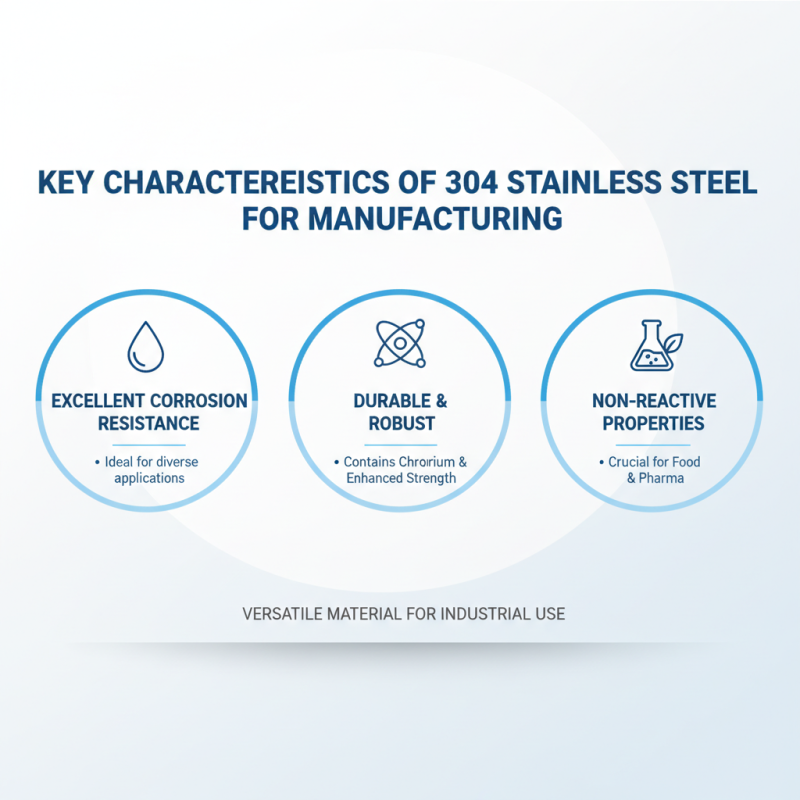
304 stainless steel is a versatile material widely used in manufacturing. It offers excellent corrosion resistance, making it ideal for various applications. This type of steel contains chromium and nickel, enhancing its durability. Its non-reactive property is crucial in industries dealing with food and pharmaceuticals.
Tips for working with 304 stainless steel include understanding its machining characteristics. It’s softer than other stainless grades. However, its work-hardening property can present challenges. Using proper tools and techniques is essential to avoid excessive wear.
Additionally, the aesthetic finish of 304 stainless steel appeals to manufacturers. Its polished surface not only looks great but also resists dirt and bacteria. This makes it easier to maintain over time. Remember to consider the environmental impact of manufacturing processes. Pay attention to recycling practices to enhance sustainability.
Corrosion Resistance: Why 304 Stainless Steel is Ideal for Harsh Environments
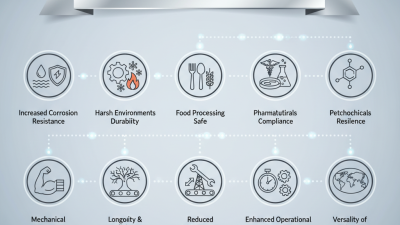
304 stainless steel is a go-to material in manufacturing due to its impressive corrosion resistance. In harsh environments, which often include exposure to moisture and chemicals, 304 stainless steel maintains its integrity. Reports indicate that it can resist corrosion in environments containing sulfuric acid, citric acid, and even brine solutions. This resilience is a major reason why industries, particularly food processing and pharmaceuticals, rely on it.
Consider this: 304 stainless steel contains approximately 18% chromium and 8% nickel. This composition enhances significant resistance to oxidation and pitting. Studies show that products made from this grade tend to have a longer lifespan compared to those made from lower-quality steel. This means less frequent replacements and lower costs over time.
Tip: Regular maintenance can further improve the lifespan of 304 stainless steel. Clean it periodically to remove contaminants.
It's worth noting, however, that while 304 provides excellent resistance, it may still suffer under very aggressive settings. Certain environments like saltwater can lead to crevice corrosion. Awareness of these limitations is important for manufacturers.
Tip: When selecting materials, consider environmental factors. Assess the potential impact of specific conditions on the longevity of stainless steel.
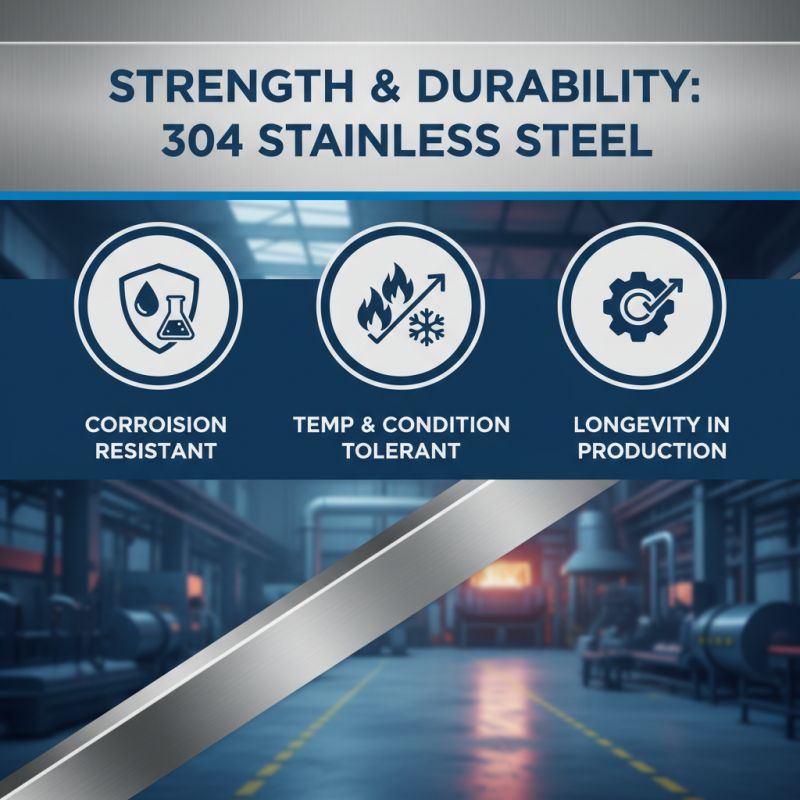
Strength and Durability: The Advantages of 304 Stainless Steel in Production
304 stainless steel has long been a standard in the manufacturing industry due to its exceptional strength and durability. This material is known for its high resistance to corrosion, making it suitable for various environments. Products made from 304 stainless steel can withstand high temperatures and harsh conditions. Manufacturers appreciate the longevity that this steel offers in production applications.
In addition, the versatility of 304 stainless steel allows it to be formed easily into different shapes. This adaptability is vital for industries that require specific dimensions or unique designs. It's important to note that while 304 is highly resistant to rust and corrosion, it is not entirely immune. Over time, exposure to harsh chemicals can lead to degradation. Regular maintenance and monitoring are necessary to ensure the integrity of stainless steel products.
Manufacturers often face challenges when selecting materials that balance strength and cost. 304 stainless steel may come with a higher initial price tag compared to other materials. However, its long-term benefits often outweigh the upfront costs. Making informed decisions requires careful consideration of both immediate and future needs. This balance is crucial for sustaining successful manufacturing processes.
Cost-Effectiveness: Economic Benefits of Using 304 Stainless Steel Belts
The use of 304 stainless steel belts in manufacturing presents significant cost-effectiveness. This material is known for its excellent resistance to corrosion and high temperatures, making it ideal for various industrial applications. According to a recent industry report, 304 stainless steel can reduce maintenance costs by up to 30%. This is due to its lower susceptibility to rust and damage compared to other materials.
Furthermore, the durability of 304 stainless steel belts leads to decreased replacement frequency. A study found that components made from 304 stainless steel can last five times longer than those made from standard carbon steels. This longevity directly translates to reduced material costs and labor expenses over time.
While the initial investment in 304 stainless steel may be higher, the overall lifecycle savings are substantial. Manufacturers are increasingly recognizing this value. However, it’s essential to evaluate specific application needs, as not all manufacturing environments benefit equally from this material. The choice of material should be carefully assessed to optimize both performance and cost. Such considerations can uncover additional areas for improvement in resource allocation.
Versatility in Design: Applications of 304 Stainless Steel in Various Industries
304 stainless steel is a common choice in various industries. Its versatility makes it ideal for many applications. This material resists corrosion and withstands high temperatures. It is found in food processing, chemical and petrochemical industries, as well as construction.
In food processing, 304 stainless steel is crucial. Equipment made from it ensures food safety and hygiene. The smooth surface prevents bacteria buildup. In construction, it is often used for railings and support structures. This material blends strength with aesthetic appeal, making it a popular choice.
However, some drawbacks exist. While 304 stainless steel is durable, it can be prone to pitting in saline environments. It is also not as strong as some other stainless steels in extreme heat. Thus, careful consideration is necessary when selecting the appropriate grade for specific applications. Balancing benefits and limitations is essential in the decision-making process.