Leave Your Message

Top 10 Benefits of Using Hoisting Wire Rope for Heavy Lifting Tasks?

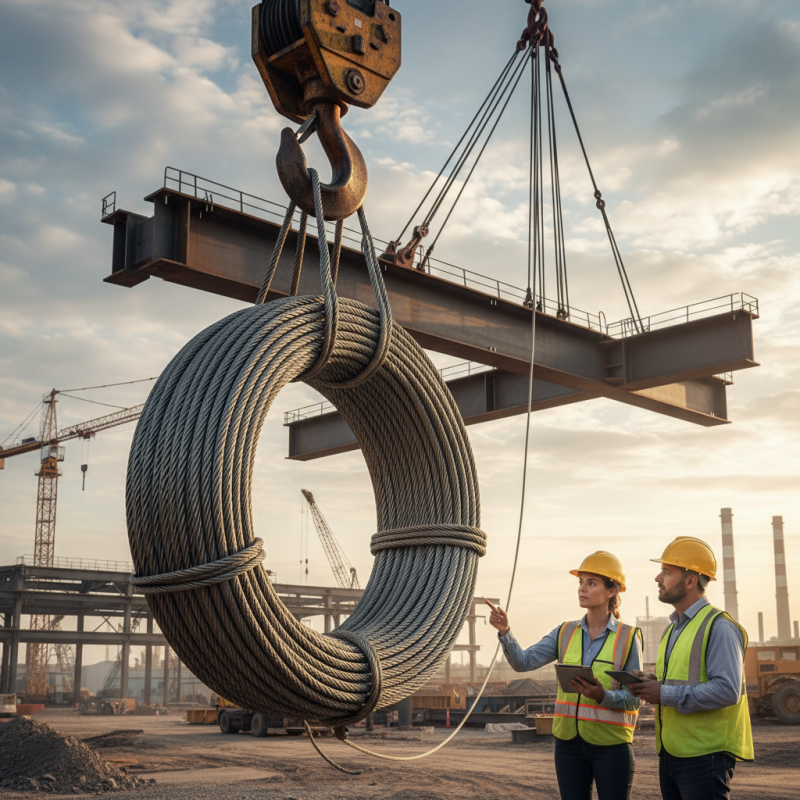
In the realm of heavy lifting, the choice of equipment can significantly impact performance and safety. Experts like Sarah Johnson, a well-renowned hoisting technology engineer, emphasize the importance of Hoisting Wire Rope. She asserts, "Quality hoisting wire rope is the backbone of effective lifting solutions." This industry insight highlights its critical role in various applications, from construction to manufacturing.

Hoisting Wire Rope offers numerous advantages that can streamline operations. It has high tensile strength, enabling it to lift substantial loads efficiently. This durability is crucial for minimizing downtime and increasing productivity on job sites. Moreover, its flexibility and resistance to abrasion make it a reliable choice under challenging conditions, such as extreme weather or heavy industrial environments.

However, with the benefits come the challenges. Proper maintenance and inspections are essential to ensure safety. Neglect can lead to hazardous situations. Experts recommend regular checks to prevent wear and tear, which may compromise the integrity of Hoisting Wire Rope. Integrating safety practices with the use of quality wire rope can enhance overall lifting effectiveness while mitigating risks.
Top 10 Benefits of Using Hoisting Wire Rope for Heavy Lifting Tasks?

Understanding Hoisting Wire Rope: Key Features and Specifications

Top 10 Benefits of Using Hoisting Wire Rope for Heavy Lifting Tasks?

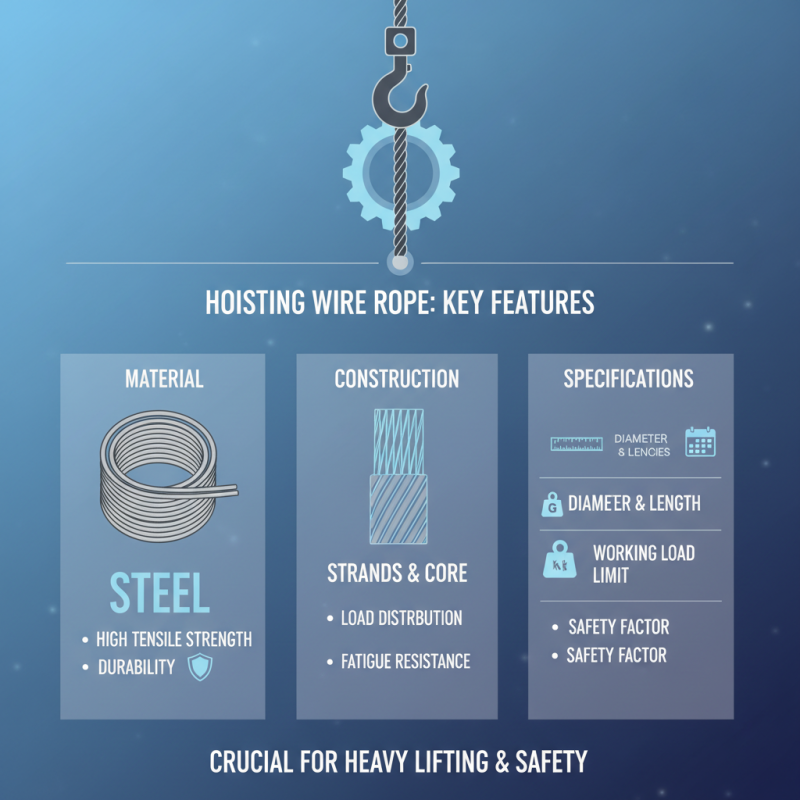
Hoisting wire ropes are vital for heavy lifting tasks. They are designed to carry heavy loads while ensuring safety and efficiency. Understanding their key features is crucial for selecting the right rope for specific applications. Material is a primary consideration. Most wire ropes are made of steel, offering high tensile strength and durability. This helps avoid sudden failures during operation.

The design of hoisting wire ropes includes several specifications. The lay of the rope, for instance, affects its flexibility and resistance to wear. A right lay can provide easier handling, while a left lay might offer better torque balance. The diameter of the wire rope is equally important; it determines the load capacity and the compatibility with pulleys or drums. Regular inspections will reveal any signs of wear or corrosion, ensuring ongoing safety and reliability.

Even with the best features, decision-making can present challenges. Users might overlook the effects of environmental conditions on wire ropes. For example, exposure to moisture can accelerate corrosion. Additionally, improper storage can lead to deformation. Being aware of these factors can significantly impact performance. Understanding these elements fosters better choices in hoisting wire rope applications.

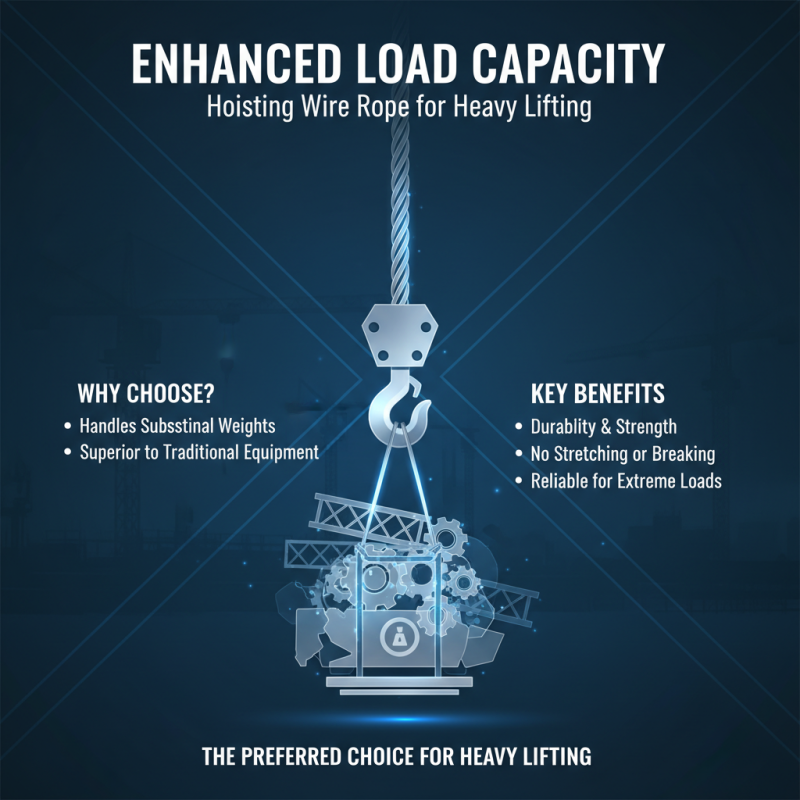
Enhanced Load Capacity: Why Choose Hoisting Wire Rope for Heavy Lifting

Top 10 Benefits of Using Hoisting Wire Rope for Heavy Lifting Tasks?

When it comes to heavy lifting tasks, hoisting wire rope stands out. Its enhanced load capacity makes it the preferred choice for many industries. This durability comes from its ability to handle substantial weights without stretching or breaking. A reliable wire rope can sustain loads that exceed the limitations of traditional lifting equipment.

For optimal performance, it’s crucial to choose the right diameter of wire rope for your lifting needs. A thicker rope may support more weight, but it can also be heavier and harder to maneuver. Always conduct a thorough assessment of your specific lifting requirements. Testing the load limits in a controlled environment can save time and prevent accidents.

Regular maintenance is key. Inspect the hoisting wire rope for frays or kinks before each use. These small imperfections can lead to larger failures. Additionally, using proper storage techniques, like avoiding direct sunlight, extends the lifespan of the rope. Consider keeping a maintenance log to track usage and inspections. This approach promotes safety and ensures reliability in critical lifting operations.

Durability and Longevity: The Material Advantages of Hoisting Wire Rope

Hoisting wire rope is vital for heavy lifting tasks. Its durability is unmatched in various lifting applications.

Made from high-strength steel, it can handle extreme loads with ease. This material resists wear and tear, ensuring long-term use. This longevity reduces replacement costs. You won’t need to change out ropes frequently, which saves money.

Another advantage lies in its resistance to harsh environments. Hoisting wire rope can withstand moisture, heat, and corrosion. This resistance is crucial for construction sites and outdoor projects.

Regular inspections can help detect wear. Some might overlook this, but it is essential for safety. Proper maintenance contributes significantly to its life span.

Flexibility is another key feature of hoisting wire rope. It can bend and adapt to various pulley systems. This adaptability allows for efficient lifting operations.

However, if not handled correctly, it can pose risks. Improper winding can lead to kinks or weakness. Attention to detail in handling ensures safety and optimal performance.

Safety Considerations: How Hoisting Wire Rope Minimizes Risks in Lifting

Hoisting wire rope is crucial for heavy lifting tasks. Its design enhances safety during operations. A report from the Occupational Safety and Health Administration (OSHA) highlights that improper lifting methods lead to numerous workplace injuries, costing the industry millions annually. Hoisting wire rope minimizes these risks through its strength and flexibility, offering controlled lifting capacities.

Safety considerations include the material's resistance to wear and fatigue. High-quality wire ropes can handle extreme loads without compromising integrity. According to the International Association of Bridge, Structural, Ornamental and Reinforcing Iron Workers, using proper wire rope reduces accidents by up to 30%. Regular inspections are necessary, though. Even small defects can lead to failures. Professionals must understand this ongoing maintenance requirement.

Training is also critical. Workers must know how to inspect and use wire rope safely. Many overlook this training due to time constraints. Still, the investment can significantly reduce workplace hazards. A well-trained team is less likely to encounter accidents during heavy lifting tasks. Emphasizing safety leads to better outcomes for everyone involved.

Cost Efficiency: The Economic Benefits of Using Hoisting Wire Rope

Using hoisting wire rope for heavy lifting tasks brings significant cost efficiency. Industry reports emphasize that wire ropes can last up to five times longer than synthetic alternatives. This longevity reduces replacement costs. Companies can save on both maintenance and labor expenses. In a survey conducted by the Materials Handling Institute, over 60% of respondents noted cost savings as a key factor in their decision-making process.

Efficiency extends beyond durability. Hoisting wire ropes have a high strength-to-weight ratio. This enables lifting of heavy loads with less energy consumption. According to the International Journal of Materials Science, energy savings can reach 25% when using wire rope systems. Reduced energy usage translates into lower operation costs. Many firms report that this efficiency also leads to quicker project turnaround times.

However, there are considerations. The initial investment in wire rope can be higher than some alternatives. Companies must weigh long-term benefits against short-term expenditures. Proper training is also crucial. Inexperience can lead to accidents, undermining the potential cost benefits. Evaluating both cost and safety factors is essential for leveraging the true economic advantages of hoisting wire ropes.

Top 10 Benefits of Using Hoisting Wire Rope for Heavy Lifting Tasks

Benefit Description Economic Impact
Cost Efficiency Hoisting wire ropes are generally more affordable than alternatives, reducing overall project costs. Lower initial and maintenance costs lead to reduced expenditure in projects.
High Strength Wire ropes can lift heavy loads due to their tensile strength and durability. Reduces the need for multiple lifting solutions, saving costs.
Lightweight Easier to handle during installation, improving labor efficiency. Lowers labor costs and enhances productivity.
Versatility Can be used in various applications across different industries. Reduces the need for multiple purchasing, streamlining procurement.
Safety Designed to withstand significant wear and tear, improving operation safety. Minimizes loss from accidents, preserving budget.
Ease of Maintenance Requires less frequent maintenance than other lifting equipment. Reduces ongoing maintenance costs and downtime.
Reduced Downtime Significantly lower chances of equipment failure compared to alternatives. Increases operational efficiency, thus saving costs in the long term.
Corrosion Resistance Special coatings enhance the life of the rope in harsh environments. Avoids costly replacements and prolongs usage life.
Warranty and Assurance Most wire ropes come with warranties ensuring quality and durability. Saves costs on replacements due to faulty equipment.
Environmentally Friendly Longer lifespan reduces the need for frequent replacements and waste. Promotes sustainability which can have long-term economic benefits.