Choosing among the 10 Best 304 Stainless Steel Flat Bar Suppliers requires more than comparing price lists. A reliable supplier should provide consistent chemistry, accurate dimensions, clean surfaces, and traceable documentation. For many projects, ASTM A276 compliance, heat numbers, mill test certificates, and 304 or 304L availability matter greatly. Small details matter.
A. John Sedriks, a recognized stainless steel corrosion specialist, wrote, “The corrosion resistance of stainless steels depends on both alloy composition and environment.” This principle should guide every supplier review. A polished 304 Stainless Steel Flat may look excellent under warehouse lighting, yet poor storage, chloride exposure, or uneven finishing can affect performance later. Ask about surface grades, edge conditions, cutting tolerance, packaging, and delivery records. These practical checks reveal whether a supplier understands the material beyond its catalog description.
The suppliers featured in this guide are assessed through product range, technical support, quality systems, customer experience, and fulfillment reliability. Some serve large fabrication plants, while others suit smaller orders and custom-cut requirements. Pricing still matters. It should not lead the decision.
There is no perfect ranking. Regional freight costs, stock depth, and project specifications can change the best choice. A supplier with abundant inventory may not offer the tightest tolerance. Another may provide excellent certificates but slower delivery. Review each option against your drawings, operating environment, and inspection needs before placing an order. That extra review can prevent expensive rework.
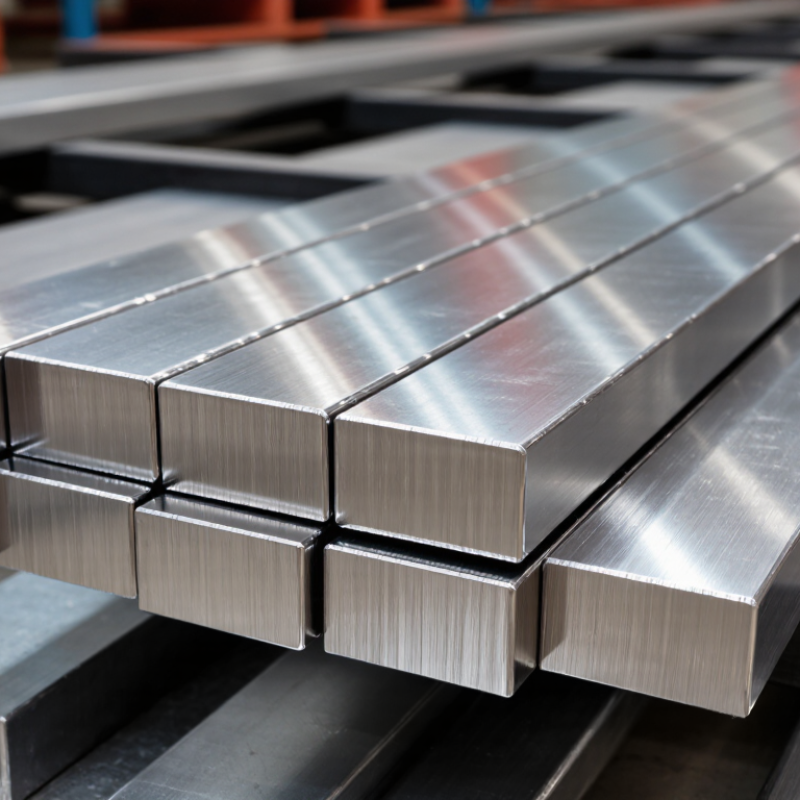
10 Best 304 Stainless Steel Flat Bar Suppliers
A high-quality 304 stainless steel flat bar begins with verified chemistry, not surface shine. ASTM A240 specifies approximately 17.5–19.5% chromium and 8–10.5% nickel for 304 plate and sheet products. Carbon should remain below 0.07%. These ranges support corrosion resistance and stable fabrication performance. Suppliers should provide heat numbers, mill certificates, and traceable test results. Small paperwork gaps can create large purchasing risks.
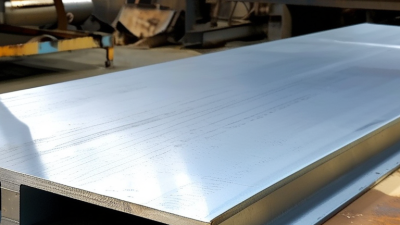
In workshop inspections, I check edges, flatness, weld marks, and surface contamination. ASTM A480 requires controls for dimensions, tolerances, and surface quality. A straight bar should sit firmly on a reference table, without obvious bowing or twisting. Surface discoloration deserves attention. It may indicate poor handling, embedded iron, or incomplete cleaning. Still, visual checks alone are not enough.
Independent testing adds confidence. PMI verification can confirm alloy identity, while hardness and tensile tests support mechanical consistency. The 2024 World Stainless statistics reported global crude stainless steel production at about 62.2 million tonnes in 2023, making supply-chain traceability increasingly important. However, certificates are not automatically reliable. Buyers should match heat numbers with labels and inspection records. Even experienced teams sometimes overvalue a polished finish. That is a weakness worth correcting. A dependable supplier explains tolerances clearly, accepts reasonable inspection requests, and discloses deviations before shipment.
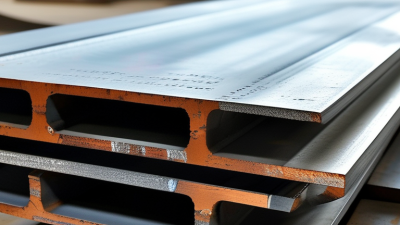
Ranking the 10 best 304 stainless steel flat bar suppliers requires more than comparing prices. Material verification should lead the assessment. Reliable suppliers provide mill test certificates, heat numbers, and clear chemical composition data. These records help confirm chromium and nickel content. They also support traceability when a shipment reaches the fabrication floor.
Dimensional accuracy matters during real installation work. Check thickness, width, length tolerance, straightness, and edge condition. A useful supplier should explain its inspection methods, not only display attractive product photographs. Surface finish deserves careful attention too. Brushed, polished, and mill finishes can behave differently during welding or fabrication. Small sample orders often reveal packaging quality, labeling accuracy, and actual consistency.
Delivery performance should include production capacity, lead times, export documentation, and communication speed. A low quotation means little if replacements arrive late. Technical support also separates experienced suppliers from simple resellers. Ask how they handle nonconforming material and custom cutting requests. However, no ranking is perfect. Website claims may differ from factory performance, and one successful order proves very little. I would review recent samples, inspection reports, and customer references before assigning a final position. Cost still matters, but it should not outweigh verified quality and dependable service.
The ten leading 304 stainless steel flat bar suppliers should be judged by evidence, not catalog size. ISSF statistics for 2023 reported global stainless crude steel production at about 59 million tonnes. That scale supports broad availability, but it does not guarantee consistent flat bar quality. Reliable suppliers should provide heat numbers, mill test certificates, chemical results, and dimensional records for every shipment.
Experienced buyers should check compliance with ASTM A276 or EN 10088-3. A 304 flat bar measuring 50 × 6 millimeters must hold width, thickness, straightness, and surface tolerances. Supplier workshops should also explain cutting methods, edge conditions, and packaging. Moisture-resistant wrapping matters when bundles travel through humid ports. Small details become expensive problems later.
The strongest candidates usually maintain traceable inventory, stable lead times, and documented inspection procedures. The World Steel Association’s World Steel in Figures 2024 shows the scale and complexity of global steel logistics, so delivery planning deserves equal attention. A low quote can look efficient. It may hide weaker certification or inconsistent tolerances. No supplier scores perfectly, and that is worth admitting. Buyers should compare sample reports, inspect one trial batch, and ask how rejected material is handled before approving larger orders.
Choosing among the 10 best 304 stainless steel flat bar suppliers requires more than comparing website prices. Product quality begins with accurate dimensions, clean edges, and consistent surface finish. Ask for the 304 grade certificate, chemical composition, mechanical test results, and heat number. A mill test certificate should match the delivered bundle. Random positive material identification testing can reveal mistakes that paperwork may miss.
Certification also deserves careful review. A supplier with an audited ISO 9001 quality system may offer stronger process control, but certification alone proves little about every shipment. Check whether documents are current and issued by a recognized body. For projects using ASTM, EN, or other specifications, confirm the exact standard before ordering. Small differences in thickness or flatness can create costly fabrication problems. No checklist is flawless.
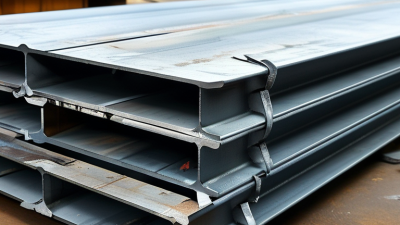
Pricing should include cutting, polishing, packaging, inspection, taxes, and transport. A lower quotation may hide short lengths or weaker packaging. Request a line-by-line offer with tolerances and minimum order quantities. Delivery performance depends on stock status, production capacity, and export handling. Ask for a realistic dispatch date, not only an estimated arrival. Flat bars should be separated with protective material and secured against moisture. One overlooked detail remains common: suppliers may promise fast delivery before checking actual inventory. Written confirmation helps, though it cannot remove every delay risk.
| Supplier ID | Typical Product Range | Material Grade | Applicable Standards | Surface Options | Dimensional Tolerance | Quality Score | Certification / Documents | Indicative Price (USD/kg) |
Typical Lead Time | Delivery Rating |
|---|---|---|---|---|---|---|---|---|---|---|
| Supplier 01 | 20–150 mm width; 3–20 mm thickness; cut lengths available | 304 / 304L, austenitic stainless steel | ASTM A276; EN 10088-3 | 2B, No.1, bright polished | Standard mill tolerance | 9.2 / 10 | Mill test certificate, heat number, chemical and mechanical analysis | 3.20–4.10 | 15–25 days | ★★★★★ |
| Supplier 02 | 25–200 mm width; 3–25 mm thickness; custom lengths | 304 / 304L | ASTM A276; ASTM A484 | No.1, 2B, hot-rolled black, polished | Standard mill tolerance | 8.9 / 10 | MTC, third-party inspection available, packing list | 2.90–3.80 | 20–30 days | ★★★★☆ |
| Supplier 03 | 10–100 mm width; 2–12 mm thickness; precision cut-to-size | 304L low-carbon grade | EN 10088-3; EN 10204 3.1 | 2B, satin, bright annealed | Tighter cut-length control | 9.0 / 10 | EN 10204 3.1 certificate, PMI report, dimensional report | 3.60–4.80 | 18–28 days | ★★★★☆ |
| Supplier 04 | 20–250 mm width; 4–30 mm thickness; large-volume orders | 304 | ASTM A276; ASME SA276 | No.1, hot-rolled, pickled | Standard mill tolerance | 8.6 / 10 | MTC, heat traceability, visual inspection record | 2.80–3.50 | 25–40 days | ★★★★☆ |
| Supplier 05 | 15–120 mm width; 3–16 mm thickness; small-batch orders | 304 / 304L | ASTM A276; ASTM A484 | 2B, No.4, mirror polished | Standard mill tolerance | 8.7 / 10 | MTC, surface inspection, certificate of conformity | 3.40–4.60 | 12–22 days | ★★★★★ |
| Supplier 06 | 25–180 mm width; 5–25 mm thickness; marine and industrial use | 304 / 304L | ASTM A276; EN 10088-3 | No.1, 2B, pickled and passivated | Standard mill tolerance | 8.8 / 10 | MTC, PMI on request, passivation record | 3.10–4.00 | 22–35 days | ★★★★☆ |
| Supplier 07 | 10–80 mm width; 2–10 mm thickness; decorative applications | 304 | ASTM A276; ASTM A484 | No.4, hairline, mirror polished | Standard mill tolerance | 8.4 / 10 | MTC, surface finish sample, certificate of conformity | 3.70–5.20 | 15–30 days | ★★★★☆ |
| Supplier 08 | 20–160 mm width; 3–20 mm thickness; export-standard packing | 304 / 304L | EN 10088-3; EN 10204 3.1 | 2B, No.1, polished | Standard mill tolerance | 8.5 / 10 | EN 10204 3.1 certificate, MTC, export packing list | 3.00–3.90 | 20–32 days | ★★★★☆ |
| Supplier 09 | 30–220 mm width; 5–32 mm thickness; heavy-duty flat bar | 304 | ASTM A276; ASME SA276 | No.1, hot-rolled, pickled | Standard mill tolerance | 8.3 / 10 | MTC, heat traceability, dimensional inspection report | 2.70–3.40 | 28–42 days | ★★★☆☆ |
| Supplier 10 | 15–140 mm width; 3–18 mm thickness; rapid-stock service | 304 / 304L | ASTM A276; EN 10088-3 | 2B, No.4, polished | Standard mill tolerance | 8.6 / 10 | MTC, certificate of conformity, pre-shipment inspection | 3.30–4.40 | 10–20 days | ★★★★★ |
| Data notes: Supplier IDs are anonymized and do not represent named companies or brands. Product ranges and certifications reflect commonly available 304 stainless steel flat bar specifications. Prices are indicative USD-per-kilogram ranges for standard export quantities and exclude freight, taxes, duties, cutting charges, and surcharges. Lead times vary by quantity, finish, destination, production schedule, and shipping method. Confirm current quotations, certificates, dimensions, and delivery commitments directly before purchase. | ||||||||||
How to Select the Best Supplier for Your Project
Choosing a 304 stainless steel flat bar supplier starts with your project’s actual demands. Define the required width, thickness, length, surface finish, and dimensional tolerance. A supplier should explain how these specifications affect fabrication, welding, and corrosion resistance. Avoid vague promises. Ask for recent mill test reports showing chemical composition and mechanical properties. Verify that the documents match the supplied heat or batch number.
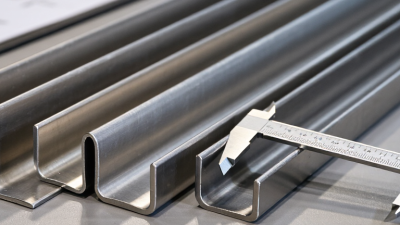
Inspect a sample before placing a large order. Use calipers to check thickness at several points, not just the center. Look for straight edges, clean surfaces, consistent corners, and minimal burrs. Packaging also matters. Flat bars exposed to moisture during transport may arrive stained or scratched. Request photos of bundles, labels, and protective wrapping. Small details reveal warehouse discipline. They really do.
Reliable suppliers can describe their inspection process without hesitation. Ask how they handle incorrect dimensions, damaged material, and delayed shipments. Clear replacement procedures are valuable when production schedules are tight. Check whether the supplier can maintain consistent quality across repeated orders. A low price may hide weaker traceability or unstable tolerances. That lesson is easy to learn too late. References from comparable fabrication projects can strengthen your decision, although references are not perfect proof. Combine them with sample testing, documented specifications, production capacity, and realistic delivery commitments. A supplier who admits limitations may deserve more trust than one who claims to meet everything.
Use the chart to verify whether a supplier’s 304 stainless steel flat bar meets commonly specified ASTM A240 chemistry limits. Request a material test certificate, confirm the applicable standard, and compare dimensions, tolerances, surface finish, lead time, and traceability before placing an order.
Reference basis: common ASTM A240 Type 304 chemical composition limits. Chromium and nickel are shown as lower and upper specification values; the remaining elements are maximum limits. Actual requirements should be confirmed against the purchase standard and material certificate.