How to Choose the Right Elevator Steel Wire Rope for Your Needs?
When selecting the right Elevator Steel Wire Rope, expertise is crucial. According to John Smith, a leading expert in elevator engineering, "Choosing the right wire rope can make or break your elevator's performance." His insight emphasizes the importance of understanding your specific needs in this industry.
Elevator Steel Wire Rope is more than just a component; it ensures safety and reliability. Different applications require different specifications. For instance, the weight capacity and environment play key roles. High corrosion resistance may be essential in coastal areas, while heat resistance is vital in industrial settings.
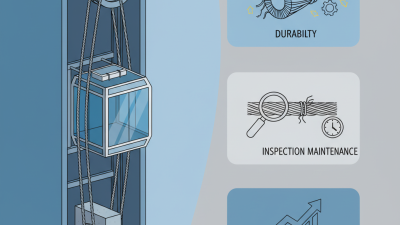
It's worth noting that even seasoned professionals sometimes underestimate the importance of inspecting the wire rope regularly. A small oversight can lead to significant safety issues. Therefore, considering the right type and conducting routine maintenance are imperative steps in ensuring optimal elevator performance.
Understanding the Different Types of Elevator Steel Wire Ropes
When selecting elevator steel wire ropes, understanding the different types is crucial. There are several common varieties, each designed for specific applications. For example, ropes can vary in construction, diameter, and tensile strength. Some rope types feature improved flexibility, while others prioritize durability. You might wonder which type suits your needs best.
The most popular types of elevator steel wire ropes are rotation-resistant and non-rotation-resistant. Rotation-resistant ropes help maintain stability during movement. This can be vital in buildings with high-rise applications. Non-rotation-resistant ropes, however, are simpler and often more cost-effective. Reflecting on your particular application will guide you toward the right choice.
Another consideration is the environment where the ropes will be used. In humid or corrosive environments, coated ropes can provide added protection. You might need to weigh the costs and benefits of such protective coatings. Understanding these details is imperative to ensure safety and reliability. Choosing the incorrect type can lead to costly issues down the line.
Comparison of Different Types of Elevator Steel Wire Ropes
Evaluating Load Capacity and Strength Requirements for Your Elevator
When selecting elevator steel wire ropes, evaluating load capacity and strength is crucial. The load capacity significantly impacts safety and performance. According to industry reports, most elevator systems require wire ropes that can handle at least three times the expected load. For instance, a standard passenger elevator may need a wire rope with a minimum breaking strength of 30 kN for a load capacity of 1000 kg.
Understanding the intended use of the elevator also guides your choice. Regular inspections and maintenance are vital, as wire ropes can wear and degrade over time. A study by the International Organization for Standardization (ISO) highlights that the lifespan of wire ropes can vary. Depending on usage, some may last only five years, while others remain functional for a decade or more.
Moreover, it is essential to consider other factors like the rope's diameter and construction type. The right diameter ensures smooth operation and minimizes wear on elevator sheaves. However, choosing a thicker rope may limit flexibility. Striking this balance often requires expert input. Many find themselves needing to reevaluate their choices after wear shows unexpected results. Data suggests that nearly 25% of elevator incidents relate to rope failure, underscoring the importance of making informed decisions.
Assessing Environmental Factors Influencing Wire Rope Selection
When selecting the right elevator steel wire rope, environmental factors play a crucial role. The type of environment can significantly impact the wire rope’s performance and lifespan. For instance, according to the Elevators and Escalators in the World Market report, about 30% of wire rope failures are attributed to environmental conditions like temperature, humidity, and exposure to chemicals.
Consider the temperature range in your application. Extreme heat or cold can degrade steel wire ropes. The American Society of Mechanical Engineers (ASME) advises that you use ropes specifically rated for such extremes. Regular inspections are key. If a rope exhibits rust or corrosion due to moisture exposure, it may require replacement sooner than anticipated.
Also, think about potential chemical exposure. Industries such as mining or manufacturing often have aggressive substances in their environment. In such cases, opting for galvanized ropes can offer additional protection. Yet, remember that no solution is foolproof. Regular monitoring is vital to ensure that even the best-selected ropes do not fail unexpectedly. Keeping a keen eye on usage conditions ensures safety and reliability in operations.
Exploring Maintenance Needs and Lifespan of Elevator Wire Ropes
Elevator wire ropes are crucial for safe and efficient operation. Understanding their maintenance needs can prolong their lifespan and ensure safety. Regular inspection is essential. Look for signs of wear, corrosion, or fraying. These issues could lead to catastrophic failure if ignored.
The lifespan of elevator wire ropes varies. Factors include usage frequency, load weight, and environmental conditions. Ideally, these ropes should be replaced every 5 to 10 years, depending on their condition. Documenting their service history plays a vital role in tracking performance.
Using the right lubrication can also impact the rope’s longevity. Proper lubricant keeps the wires from rusting. It minimizes friction, enhancing smooth operation. Yet, over-lubrication can lead to dirt accumulation. This creates additional problems, leading to unexpected breakdowns. Regularly addressing these maintenance aspects ensures not only the rope's reliability but also overall elevator safety.
Comparing Cost Factors and Supplier Options for Wire Rope Purchase
When selecting elevator steel wire ropes, cost factors play a crucial role. The price often depends on materials and manufacturing processes. High-quality steel can lead to a higher initial cost, but it usually offers better durability and performance. Consider the lifespan of the wire rope as a significant factor. A cheaper option may lead to frequent replacements, increasing overall expenses.
Supplier options also impact the decision-making process. Local suppliers may offer faster delivery times, while international suppliers might provide a wider range of products. Check their reputation and past customer reviews. Not all suppliers guarantee quality, and some may not respond reliably to inquiries. Evaluating their experience in the industry is essential for making informed choices.
Take time to compare quotes from different suppliers. Some may offer seemingly low prices, but hidden costs can arise. Examine the warranty terms. Suppliers with comprehensive warranties often exhibit more confidence in their products. Striking a balance between cost and quality is essential for your project’s success.