Leave Your Message

Why Choose Elevator Steel Wire Rope for Your Project?

Choosing Elevator Steel Wire Rope is a practical decision that affects ride quality, operating reliability, and maintenance planning. Each trip places the rope under changing loads as the car starts, stops, and passes over sheaves. A suitable rope must match the elevator design, not just fit its nominal diameter. Small mismatches matter.

Construction, tensile strength, flexibility, and resistance to wear all influence performance. So do the sheave dimensions, rope terminations, operating environment, and manufacturer’s requirements. A rope exposed to moisture or dust may need different consideration from one in a clean, climate-controlled shaft. Details count.

This guide outlines how to compare rope specifications and what questions to raise with a qualified supplier or elevator professional. Check compatibility with the original equipment, the stated application, and the recommended inspection plan. Ask how the rope’s construction relates to the system’s sheaves and expected duty. Keep product records available for future maintenance.

A datasheet helps, but it cannot assess a particular elevator by itself. That limitation is easy to overlook. Installation history, wear patterns, and site conditions can change what matters most. The right choice therefore depends on verified specifications and informed review, rather than price or a single strength figure. Use this overview to make that review clearer and more focused.
Why Choose Elevator Steel Wire Rope for Your Project?

What Elevator Steel Wire Rope Is and How It Is Constructed

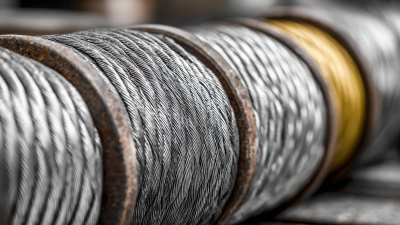
An elevator steel wire rope is a flexible assembly of steel wires designed to carry and move an elevator car. It is not a single solid cable. Many small wires are twisted together into strands, and several strands are laid around a central core. This layered construction lets the rope bend over sheaves while supporting substantial loads.

The core may be made from fiber or steel, depending on the rope design and its intended use. It supports the strands and helps the rope keep its shape under tension. During manufacture, the wires are formed and twisted with controlled patterns, called lay. Lubrication may also be applied to reduce friction and help limit wear between wires. Small details matter.

In an elevator system, the rope repeatedly bends and straightens as the car travels. Its diameter, rated strength, construction, and compatibility with the sheave grooves all need careful consideration. The core is easy to overlook, but it affects how the rope behaves. That deserves a second look. Selection and inspection should follow the elevator system’s specifications, with qualified technicians checking for wear, corrosion, broken wires, or other damage. A rope can look acceptable at a glance and still need closer assessment.

How Elevator Steel Wire Rope Supports Safe Vertical Transport

Elevator steel wire rope carries the car and counterweight through repeated starts, stops, and changes in tension. Its construction matters: wire grade, rope diameter, core type, and lay affect strength, flexibility, and wear. ISO 4344:2022 sets requirements for elevator wire-rope dimensions, minimum breaking force, and testing. ASME A17.1/CSA B44 also ties suspension-rope safety factors to the elevator’s design, rather than offering one rating for every installation. In practice, the rope must match the sheave diameter and the lift’s loading and operating conditions.

A rope can look sound. Internal wire breaks may not be obvious during a quick visual check, so scheduled inspection should follow the manufacturer’s criteria and applicable codes. Technicians look for corrosion, broken wires, uneven wear, and changes in rope diameter or tension. These details matter where the rope bends over a sheave; repeated bending can gradually reduce its strength. ISO 4344’s test requirements provide a basis for comparing rope performance, but test results cannot replace inspection in service. A specification can be correct on paper, yet installation, alignment, and maintenance still deserve careful review. That distinction is easy to overlook.

Key Performance Benefits for Different Elevator Projects

Elevator steel wire rope suits projects where predictable traction, compact machinery, and established inspection methods matter. In a mid-rise apartment building, its flexibility helps the rope pass repeatedly over sheaves while carrying cars through busy daily cycles. For hospitals or hotels, engineers may prioritize smooth travel and controlled vibration, especially when cars stop frequently. Rope construction, diameter, lubrication, and sheave compatibility all affect performance; a strong rope alone cannot correct a poorly matched drive system.

Safety margins must fit the actual installation. EN 81-20:2014 specifies minimum suspension-rope safety factors of 12 for traction lifts with three or more ropes, and 16 with two, subject to its conditions. ISO 4344:2022 sets requirements and test methods for steel wire ropes used in lifts, including minimum breaking-force criteria. These references help engineers compare options, but the final selection still depends on load, speed, travel height, and operating cycles. Details matter.

Steel rope also brings trade-offs. It adds suspended mass, and taller travel can make rope weight a significant design consideration. Engineers may need to check drive capacity, rope stretch, and maintenance access—not just rated load. A site team might notice uneven lubrication or a small change in ride feel before a scheduled inspection. That observation is useful, but it is not a substitute for measurement. The right choice is project-specific, and I would avoid assuming one rope specification fits every building.

Why Choose Elevator Steel Wire Rope?

Common wire-rope tensile-strength grades provide one reference point when evaluating elevator rope options.

The chart shows nominal tensile-strength grades in MPa, not rated elevator loads. Lower-rise projects may prioritize flexibility and smooth operation, while high-rise or heavy-duty projects may require careful evaluation of load, travel height, speed, sheave compatibility, and applicable codes. A higher strength grade alone does not determine suitability; consult the rope specification and elevator design requirements.

How to Select the Right Rope for an Elevator System

Why Choose Elevator Steel Wire Rope for Your Project?

How to Select the Right Rope for an Elevator System

Selecting elevator steel wire rope starts with system data, not a catalogue photo. Confirm rated load, car speed, travel height, suspension ratio, and expected duty cycles. These figures help determine rope diameter, construction, and required strength. Check sheave diameter and groove profile against the rope specifications; poor matching can accelerate wear. Small details matter.

For traction elevators, compare rope flexibility and fatigue resistance with the sheave path and starts per hour. A stiff rope may perform poorly on compact sheaves, while an unsuitable construction can wear unevenly. For other elevator systems, follow the lift designer’s approved specification rather than assuming one rope type fits all. Not every rope fits. Confirm compatibility with the elevator’s rated capacity and applicable safety standards.

Ask for documented breaking force, construction, diameter tolerance, and lubrication details. Consider shaft humidity, dust, and maintenance access, since contamination or missed inspections can shorten service life. During installation, trained technicians should check tension across the ropes and confirm that each sits properly in its groove. A low purchase price can look attractive, but replacement downtime may cost more. Selection still involves judgment: actual wear patterns may challenge initial assumptions.

Installation, Inspection, and Maintenance Considerations

Elevator steel wire rope performs reliably only when installation and upkeep are treated as one system. The National Elevator Industry, Inc. estimates that U.S. elevators carry about 18 billion passenger trips each year. That workload makes careful rope selection and routine inspection essential. ISO 4344:2022 specifies requirements and test methods for lift ropes; local codes also govern inspection and maintenance.

During installation, a qualified technician should verify rope construction, diameter, lay direction, and compatibility with the sheave. Check that ropes are seated correctly and share tension evenly. A small mismatch can cause uneven wear. At inspection, look for broken wires, corrosion, flattening, lubricant loss, and changes near terminations. Measure diameter at consistent points with a calibrated tool, and compare results with applicable limits. ASME A17.1/CSA B44 sets inspection and maintenance provisions, but requirements vary by jurisdiction. Keep dated records of measurements, adjustments, and any unusual noise or vibration. I would not treat a tidy log as proof of a sound rope; the rope itself needs examination.

Tips: Keep the machine-room floor clear, use the site’s approved lockout procedures, and leave rope assessment to trained elevator personnel. Small details matter. Note changes early, even when they seem minor.

Why Choose Elevator Steel Wire Rope for Your Project? - Installation, Inspection, and Maintenance Considerations

Project Stage Consideration Practical Guidance What to Verify or Record
Selection Rope construction and elevator design Select a rope that matches the elevator design, rated load, suspension arrangement, traction system, and specified operating conditions. Confirm the rope construction and diameter against the equipment documentation. Approved rope specification, rated capacity, rope diameter, construction, and compatibility with the installed elevator system.
Selection Sheave and traction compatibility Rope and sheave compatibility affects traction and wear. Confirm that the rope diameter, groove profile, and specified rope construction are suitable for the sheaves and traction requirements. Equipment documentation, sheave condition, groove profile, and any required compatibility checks.
Installation Storage and handling Keep rope dry, clean, and protected from damage before installation. Handle reels and coils using suitable equipment, and avoid kinks, crushing, sharp bends, or uncontrolled unwinding. Storage conditions, handling method, and any visible damage found before installation.
Installation Preventing twist and rope damage Pay out the rope in a controlled manner and follow the specified reeving procedure. Avoid introducing twist or allowing the rope to rub against sharp edges or abrasive surfaces. Correct reeving path, absence of kinks or birdcaging, and condition of the rope after installation.
Installation Rope tension and equalization Follow the elevator manufacturer’s procedure for setting and equalizing rope tension. Unequal tension can contribute to uneven loading and differences in rope or sheave wear. Measured tension or equalization results, adjustment method, and completion date.
Installation Terminations and fastening Use the specified terminations and install them according to the applicable procedure. Check that rope ends are properly secured and that components are correctly assembled. Termination type, installation checks, and any required test or acceptance records.
Inspection Broken wires and surface condition Inspect accessible rope sections for broken wires, abrasion, corrosion, flattening, distortion, and other deterioration. Pay particular attention to areas that pass over sheaves and around terminations. Location and extent of observed damage, inspection date, and follow-up action.
Inspection Diameter and deformation Check for measurable diameter reduction, localized wear, kinks, waviness, or other deformation using the procedure specified for the rope and elevator system. Measurement method and results, comparison with applicable limits, and trend over time where records are available.
Inspection Corrosion and lubrication Look for corrosion, dryness, or signs of lubricant loss. The appropriate lubricant and application method depend on the rope type and equipment instructions; unsuitable products or excess lubricant may affect performance. Observed condition, lubricant used if applicable, and any maintenance performed.
Maintenance Inspection frequency and acceptance criteria Set inspection frequency and evaluation criteria according to applicable elevator codes, the equipment manufacturer’s instructions, operating conditions, and local requirements. Do not rely on a universal interval or single generic discard threshold. Applicable requirements, inspection schedule, findings, and decisions made by qualified personnel.
Maintenance Cleaning and lubrication Keep the rope and related components in the condition required by the equipment instructions. Use only approved cleaning and lubrication methods, and avoid actions that could conceal damage or contaminate traction surfaces. Products and methods used, date of work, and post-maintenance condition.
Maintenance Records and corrective action Maintain a history of installation details, inspections, adjustments, lubrication, and repairs. Arrange prompt assessment when damage, unusual noise, slippage, or abnormal wear is observed. Rope identification, service history, inspection findings, corrective actions, and responsible personnel.

Safety note: Elevator rope selection, installation, inspection, and replacement should be carried out or approved by qualified personnel in accordance with applicable codes, equipment documentation, and rope manufacturer instructions. The applicable requirements take precedence over this general guide.