How to Choose the Right Lifting Crane Rope for Your Needs?
When selecting a lifting crane rope, understanding the technical specifications is crucial. The global lifting equipment market is expected to reach $57 billion by 2025, highlighting the significance of quality components, including lifting crane ropes. These ropes are critical in ensuring safety and efficiency across various industries, from construction to shipping.
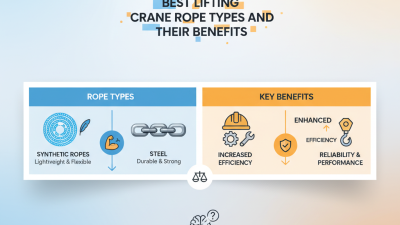
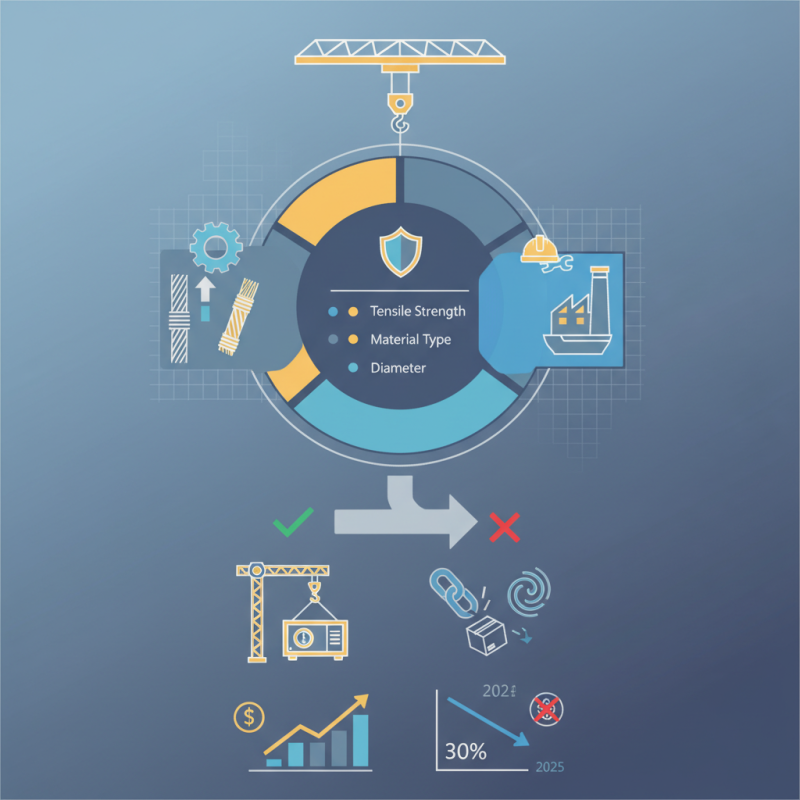
The choice of lifting crane rope involves assessing factors like tensile strength, material type, and diameter. According to industry standards, the right rope not only ensures safety but also improves performance. For instance, steel ropes are often chosen for their durability, while synthetic ropes provide lighter alternatives with optimal flexibility. A recent report indicated that using the wrong rope can lead to a 30% increase in the risk of accidents.
Reflecting on these aspects can guide your decision. Yet, the right rope varies widely among different applications. Every project is unique; thus, a one-size-fits-all solution is insufficient. Always consider your specific requirements, safety protocols, and the type of load you will be handling. Inadequate choices can result in costly errors and potential hazards.
Understanding Different Types of Lifting Crane Ropes Available in the Market
When selecting a lifting crane rope, understanding the different types available is crucial.
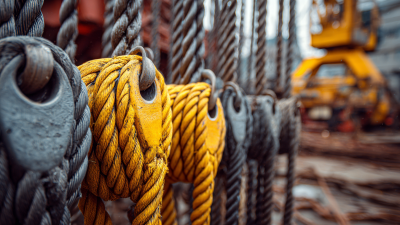
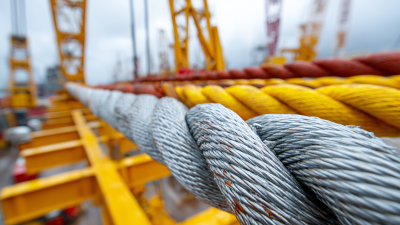
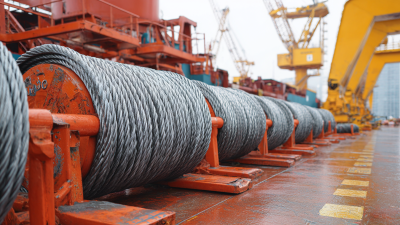
Wire ropes are a popular choice due to their strength and flexibility. These ropes consist of multiple strands of steel wires. They are reliable and can handle heavy loads. However, they may require regular maintenance to prevent wear and rust. The diameter of the wire rope also affects its lifting capacity.
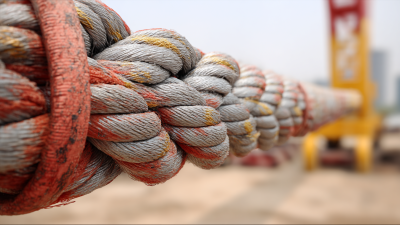
Synthetic ropes, such as those made from polyester or nylon, present an alternative. They are lightweight and resistant to moisture, chemicals, and UV rays. Their flexibility allows for easier handling, but they may not support as heavy loads as wire ropes.
One must consider the working environment when choosing between these two types.
Reflecting on users' experiences reveals that some underestimate the importance of choosing the right material.
Over time, using the wrong type can lead to accidents or costly damages. Analyzing past performance can provide insights into the best options.
Investing in training for personnel on rope selection can improve safety and efficiency.
Evaluating Load Capacity and Strength Requirements for Your Crane Rope
Choosing the right lifting crane rope is crucial for ensuring safety and efficiency. Evaluating load capacity and strength requirements is the first step in this process. The International Cranes and Specialized Transport (ICST) report shows that using ropes rated below actual load conditions can lead to accidents. Ropes must be tested for at least 125% of their intended load. This safety margin is essential for unexpected surges.
Next, consider the material used in crane ropes. Steel wire ropes remain popular due to their high tensile strength and durability. According to the Crane Manufacturers Association of America (CMAA), synthetic ropes like polyester and nylon have become increasingly reliable. They offer lighter weights and reduced wear on cranes. However, they may not always meet the load requirements for heavy applications.
Determining the right rope diameter is another vital aspect. For example, a 12 mm synthetic rope can lift about 2,500 kg, while a 16 mm steel rope can lift 5,000 kg. Misjudging the diameter can lead to premature wear and failure. Always consult manufacturer guidelines and conduct field tests to confirm your choices. Assessing these factors will help ensure that the selected rope meets your project's specific needs without compromising safety.
Assessing Material Durability and Environmental Considerations for Rope Selection
When choosing a lifting crane rope, material durability is crucial. Different materials exhibit varying levels of strength and resistance to wear. For example, polyester ropes are resistant to UV rays, while steel wire ropes handle heavy loads better. Weigh the advantages against potential drawbacks. Steel may rust without proper maintenance, whereas synthetic ropes degrade over time with exposure to elements.
Environmental factors also play a significant role in rope selection. If your operations occur in extreme weather, consider this carefully. Water exposure and temperature fluctuations can weaken some materials. Moreover, pollution can deteriorate synthetic ropes. It's vital to assess the specific environment where the rope will be used. Some users overlook these factors, leading to premature rope failure.
Determining the right rope requires honest evaluation of your needs. How much weight will you lift? What are the weather conditions? Do you need flexibility or rigidity? Engage with experts in the field for insights and recommendations. Ropes often require regular inspections to ensure safety. Regular checks mitigate risks, ensuring that your lifting operations remain smooth and efficient.
Examining Safety Standards and Regulations for Lifting Crane Ropes
Lifting crane ropes are critical components that ensure the safety and efficiency of lifting operations. Safety standards play a vital role in selecting the right rope. The Occupational Safety and Health Administration (OSHA) provides guidelines that specify the minimum tensile strength for crane ropes, often requiring that the rope be able to support at least five times the maximum load. This ratio ensures a significant safety margin.
In addition to tensile strength, inspection protocols are essential. According to the American Society of Mechanical Engineers (ASME), crane ropes should be inspected regularly for signs of wear, corrosion, or fraying. Studies have shown that improper maintenance can lead to failures, with reports indicating that up to 30% of all lifting accidents involve equipment failure. This statistic highlights the importance of adhering to safety regulations.
Manufacturers often conduct tests to meet these standards. However, not all adhere equally, leading to variability in quality. Choosing a rope without considering these regulations can jeopardize safety. Inadequate attention to rope certification, which includes compliance with industry benchmarks, can result in severe consequences. Regular training on safety standards is also crucial for operators. Without this knowledge, even the best equipment can lead to disasters.
Comparing Cost and Maintenance Factors for Long-Term Rope Use
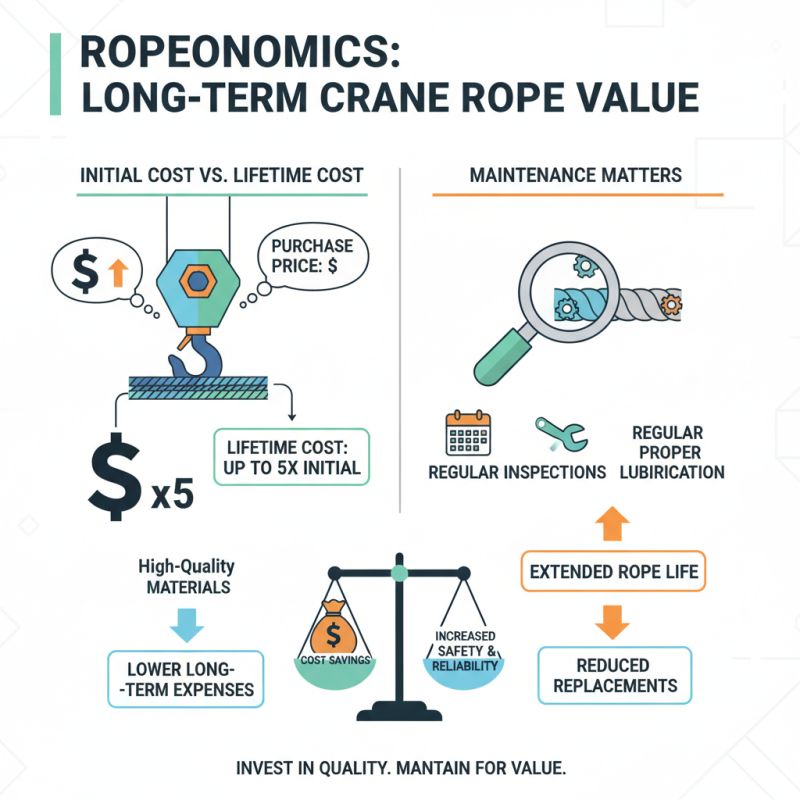
When selecting a lifting crane rope, cost and maintenance are crucial factors. Industry reports suggest that the lifetime cost of a crane rope can exceed its initial purchase price by up to five times. Investing in high-quality materials often results in lower long-term expenses. Regular inspections and maintenance can extend rope life significantly, reducing the frequency of replacements.
For example, synthetic ropes require less maintenance than traditional steel ropes. However, they may have a higher upfront cost. A study found that properly maintained synthetic ropes can last 30% longer than their steel counterparts. This consideration is vital for organizations prioritizing long-term financial planning.
Despite these advantages, one should reflect on their specific needs. The optimal choice may vary depending on usage frequency and environmental conditions. Companies need to balance initial costs against potential maintenance issues. The right decision will depend on thorough evaluation and expert consultation, particularly when dealing with complex lifting tasks.