What is Crane Hoisting Wire Rope and How is it Used?
Crane hoisting wire rope is a critical component in construction and industrial applications. This specialized rope supports heavy loads while ensuring safety and efficiency. It is made from high-quality steel strands, twisted together to form a robust structure. The design allows it to withstand significant tension, making it indispensable in cranes.
Proper maintenance of crane hoisting wire rope is essential. Without regular inspections, wear and tear can lead to failures. Corrosion, fraying, and kinking are common issues. These problems can compromise safety and efficiency, underscoring the importance of monitoring performance regularly. Operators need to be trained to identify potential weaknesses.
Many industries rely on this type of wire rope daily. Its versatility is evident in construction sites, shipyards, and manufacturing plants. However, using crane hoisting wire rope requires knowledge and skill. Mistakes in handling or setup can result in accidents. Understanding the specifications and limitations of the wire rope is crucial for safe operation.
What is Crane Hoisting Wire Rope and Its Composition?
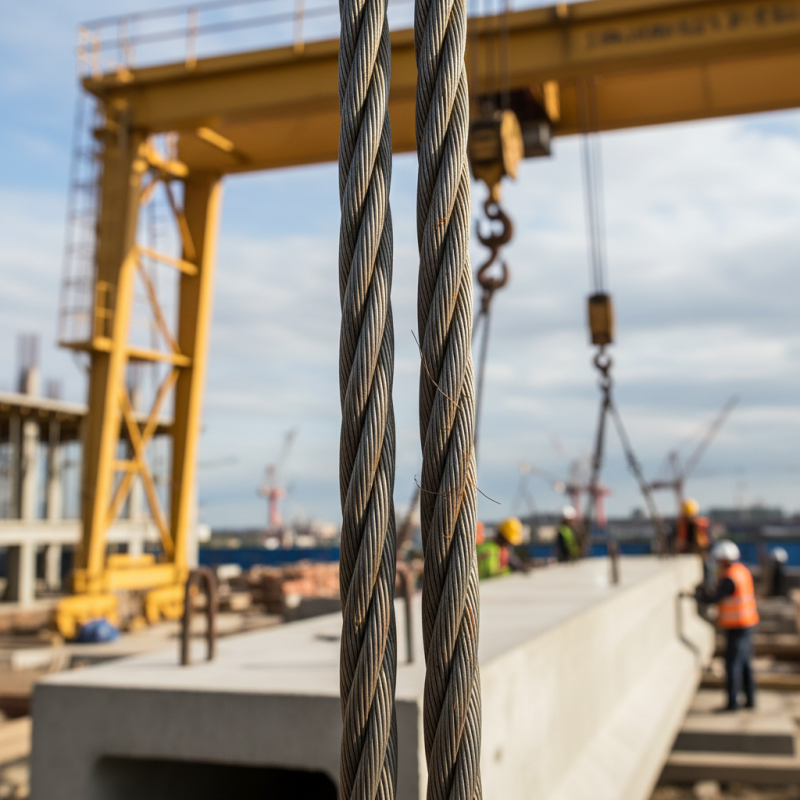
Crane hoisting wire rope is a crucial component in lifting and moving heavy loads. This type of wire rope is designed to bear substantial weight while maintaining flexibility and durability. Typically made from several strands of steel wire, the rope is constructed using a specific pattern, ensuring strength and resilience. Each strand contributes to the overall load-bearing capacity.
The composition of crane hoisting wire rope often includes high-tensile steel, which enhances its strength. It may feature different lay patterns, such as left or right lay, which influence its performance. Additionally, wire ropes are coated with materials to resist corrosion and wear. In harsh environments, these coatings play a vital role in extending the lifespan of the wire rope.
Designing and maintaining crane hoisting wire rope requires expertise. Professionals must consider factors like load weight, lifting height, and environmental conditions. It’s not just about choosing any wire rope; the specifics matter greatly. Each lifting operation is unique, and errors in choice can result in accidents or damage. The need for careful selection cannot be overstated. Understanding the nuances of wire rope can save time and prevent costly mistakes.
Types of Crane Hoisting Wire Rope and Their Applications
Crane hoisting wire ropes play a crucial role in lifting heavy loads across various industries. These ropes come in different types, each tailored for specific applications. For example, 6x19 and 7x19 constructions are widely used for general hoisting applications, thanks to their excellent flexibility and strength. According to the International Organization for Standardization (ISO), wire ropes used in cranes must meet stringent safety standards.
Each type of wire rope offers unique benefits. The 6x37 design provides higher grip and is preferred in construction. In contrast, the 8x19 construction is ideal for mining, as it can withstand abrasive conditions. The choice of wire rope can significantly affect efficiency and safety. Studies show that proper selection and maintenance can reduce the risk of accidents by as much as 30%.
Regular inspection and testing are essential for ensuring wire rope safety. It's crucial to monitor for wear and corrosion, as these can lead to rope failure. Data from industry reports indicate that mismanagement of crane ropes accounts for a significant percentage of workplace incidents. This highlights the need for industry professionals to stay informed and proactive in their approach to crane wire rope applications.
Types of Crane Hoisting Wire Rope and Their Applications
Important Specifications of Crane Hoisting Wire Rope
Crane hoisting wire rope is crucial in lifting heavy loads safely. These ropes are designed to handle immense tension and stress. Understanding their specifications is vital for effective usage.
One important specification is the rope's diameter. A thicker rope can withstand greater weight. However, it also adds extra weight to the overall system. The construction of the rope is another key detail. Multi-strand cables offer flexibility but may wear down faster than solid ones. Load capacity is essential too. Selecting a rope with an inadequate rating leads to potential failure.
Maintenance is necessary for optimal performance. Regular inspections help identify wear and tear early on. Ignoring small frays can lead to larger issues. Operators should always verify the rope's compatibility with equipment. This prevents mismatched systems that may increase risk. Overall, understanding these specifications enhances safety and reliability in crane operations.
What is Crane Hoisting Wire Rope and How is it Used? - Important Specifications of Crane Hoisting Wire Rope
| Specification |
Details |
| Material |
Steel |
| Diameter |
6 mm to 100 mm |
| Construction Type |
7x19, 6x36 |
| Breaking Strength |
Up to 100 tons |
| Weight per Meter |
0.1 kg to 30 kg |
| Lifespan |
5 to 10 years (depending on usage) |
| Applications |
Construction, Mining, Shipping |
Factors Affecting the Performance and Lifespan of Wire Rope
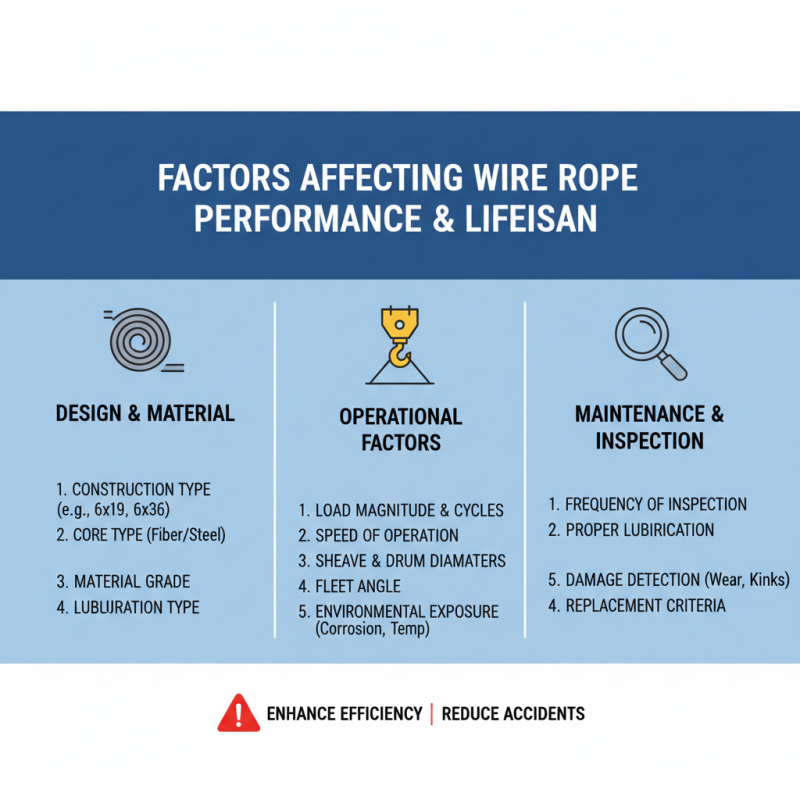
Crane hoisting wire rope is a crucial component in lifting operations. Its performance and lifespan depend on various factors. Understanding these factors can help enhance the efficiency of lifting equipment and reduce the risk of accidents.
One significant factor is environmental conditions. Exposure to moisture, chemicals, and extreme temperatures can accelerate wear. According to industry reports, wire ropes can lose up to 30% of their lifespan due to corrosion from environmental factors. Proper maintenance, such as regular inspections and lubrication, is essential in mitigating these risks.
Tip: Regularly check for fraying or broken strands. Early detection can prevent unexpected failures.
Load conditions also impact wire rope performance. Operating beyond the rated capacity causes excessive stress, leading to premature failure. Studies indicate that wire ropes under heavy loads have a 20% shorter lifespan compared to those used within safe limits. It’s vital to adhere to load specifications to maintain safety and prolong life.
Tip: Implement a load monitoring system. This can help track weight in real-time, ensuring safer operations.
Another critical factor is the method of winding and storage. Improper storage can lead to kinks and twists, reducing the rope’s efficiency. Data shows that properly stored wire ropes maintain their integrity 40% longer than those stacked carelessly.
Tip: Store wire ropes in a dry, flat space away from heavy traffic to avoid damage.
These elements underscore the importance of proactive management to maximize wire rope performance and safety.
Maintenance Practices for Crane Hoisting Wire Rope Safety
Crane hoisting wire ropes are critical components in lifting operations. Proper maintenance of these ropes is essential for safety and efficiency. According to the Occupational Safety and Health Administration (OSHA), over 50% of crane accidents are linked to wire rope failures. To mitigate these risks, routine inspections must be performed regularly.
Tips for maintaining crane hoisting wire ropes: Inspect for wear, corrosion, and broken wires. Clean the ropes to remove dirt and grime. This can prevent premature deterioration. Additionally, lubricating the wire rope can minimize friction and wear. A study from the Industrial Training International suggests that well-maintained ropes can last up to 50% longer than neglected counterparts.
Operators should be aware of operational conditions. High temperatures or extreme loads can weaken wire ropes. It's crucial to keep track of usage and replace ropes as needed. Documenting inspections and maintenance is also vital for accountability. These practices help to ensure the safety of all personnel involved in lifting operations.