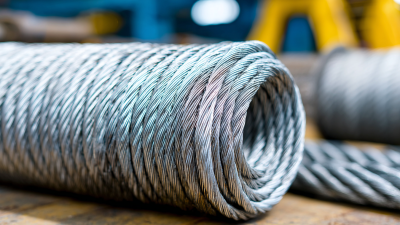
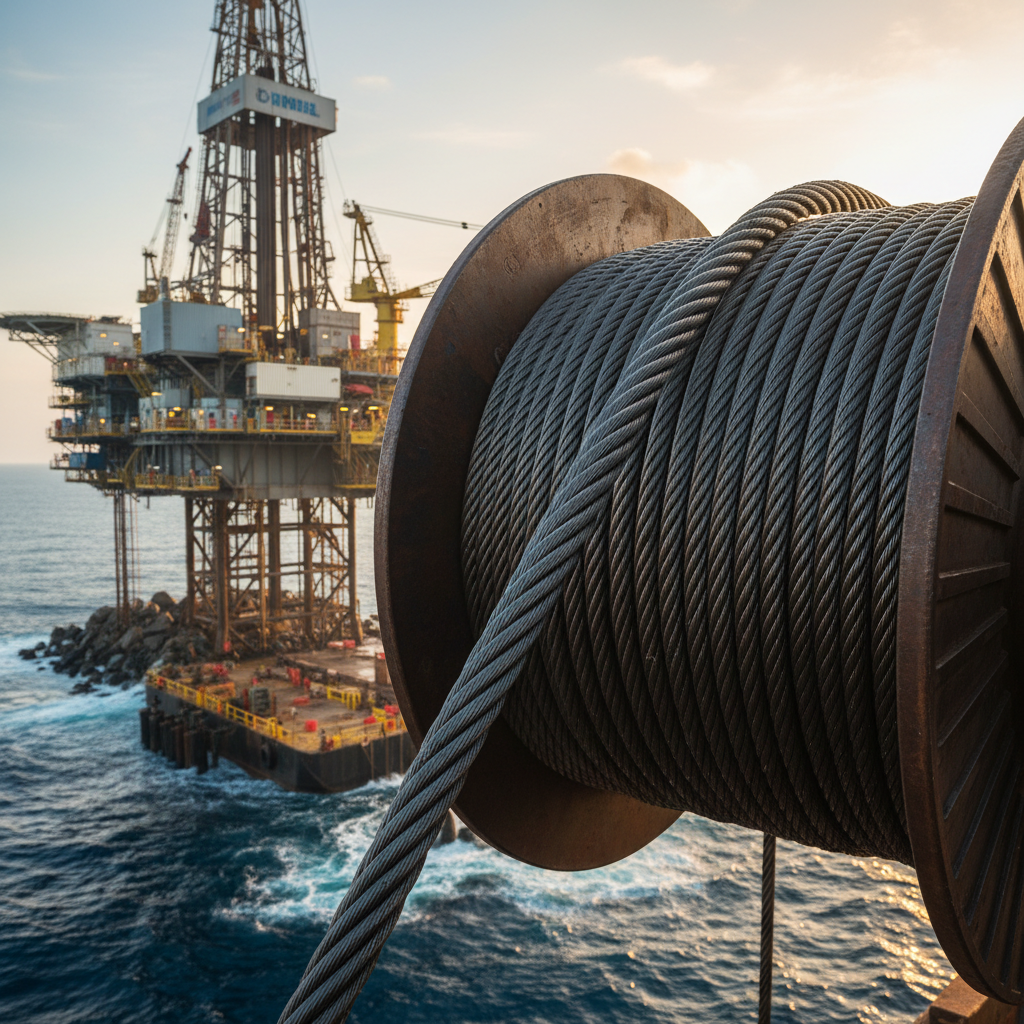
What is Drilling Wire Rope and its Applications in the Industry
Drilling Wire Rope is a critical component in the drilling industry, widely employed in various applications, including oil and gas exploration, mining, and construction. According to industry expert Dr. James Carter, a leading authority in drilling technologies, "The strength and reliability of drilling wire rope are essential for the safety and efficiency of operations at depth." This highlights the significance of choosing the right wire rope to withstand the rigorous demands placed upon it during drilling activities.
As industries continue to evolve, the role of Drilling Wire Rope becomes even more prominent. With advancements in materials and manufacturing processes, modern wire ropes offer enhanced durability and performance, directly impacting the productivity and safety of drilling operations. The dynamic nature of the market necessitates a thorough understanding of the types of drilling wire ropes available and their specific applications.
In this comprehensive overview, we will explore the various types of Drilling Wire Rope, their applications across different sectors, and the innovations that are shaping their future. Understanding these aspects is crucial for industry professionals who rely on these tools to ensure successful and safe drilling operations in challenging environments.
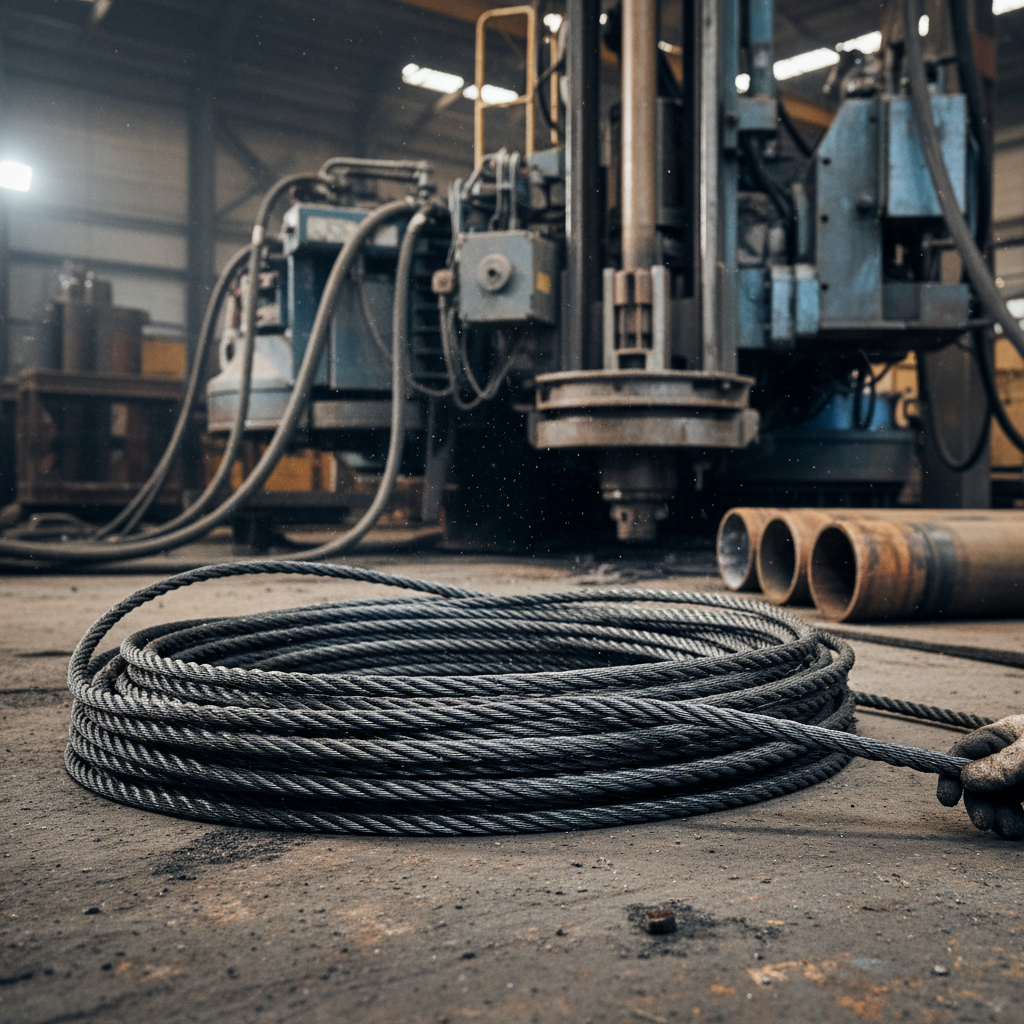
Understanding the Composition and Design of Drilling Wire Rope
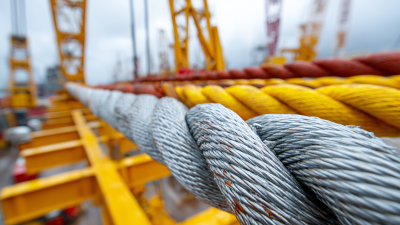
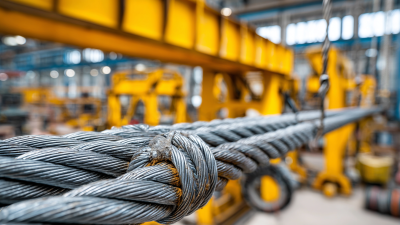
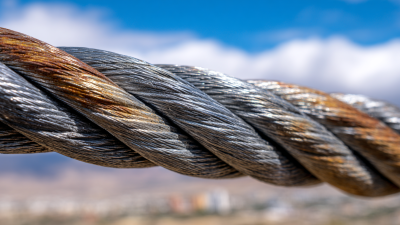
Drilling wire rope is a specialized type of wire rope designed for various applications in drilling operations, particularly in the oil and gas industry. Understanding its composition and design is critical, as it directly affects the performance and reliability when subjected to extreme conditions. Typically, drilling wire rope is composed of high-strength steel with carefully engineered features, such as specific core types and strand configurations. These design elements ensure that the wire rope can withstand dynamic loads, fatigue, and the harsh environments commonly encountered during drilling.
Recent innovations in material science have further enhanced the development of drilling wire ropes. For instance, the introduction of novel water-atomized pre-alloyed powders has opened new avenues for improving the properties of wire saws used in drilling. Such advancements in material composition, including multi-elements like Fe, Co, Cu, Sn, and Ni, contribute to better wear resistance and durability, which are essential in maintaining performance efficiency. As industries continue to seek advanced equipment, the importance of understanding both the composition and design of drilling wire ropes cannot be overstated, as they play a pivotal role in ensuring successful drilling operations.
Key Features and Benefits of Drilling Wire Rope in Industrial Applications
Drilling wire rope is an essential component in various industrial applications, particularly in the oil and gas sector. One of the primary benefits of drilling wire rope is its remarkable strength and durability. According to a recent report by the International Association of Drilling Contractors, high-quality drilling wire ropes can bear loads exceeding 60% of their rated breaking strength, making them particularly suited for deep well drilling operations. This significant tensile strength ensures safety and efficiency during high-stress conditions, reducing the risk of equipment failure.
Additionally, drilling wire ropes are designed to resist wear and corrosion, which is vital in challenging environments such as underwater or high-temperature drilling sites. The use of proprietary coatings and advanced manufacturing techniques has led to increased lifespans of these ropes, with some products lasting up to 30% longer than traditional alternatives, as reported by the Society of Petroleum Engineers. This enhancement not only contributes to lower operational costs but also minimizes downtime, allowing for continuous and efficient drilling operations in the industry.
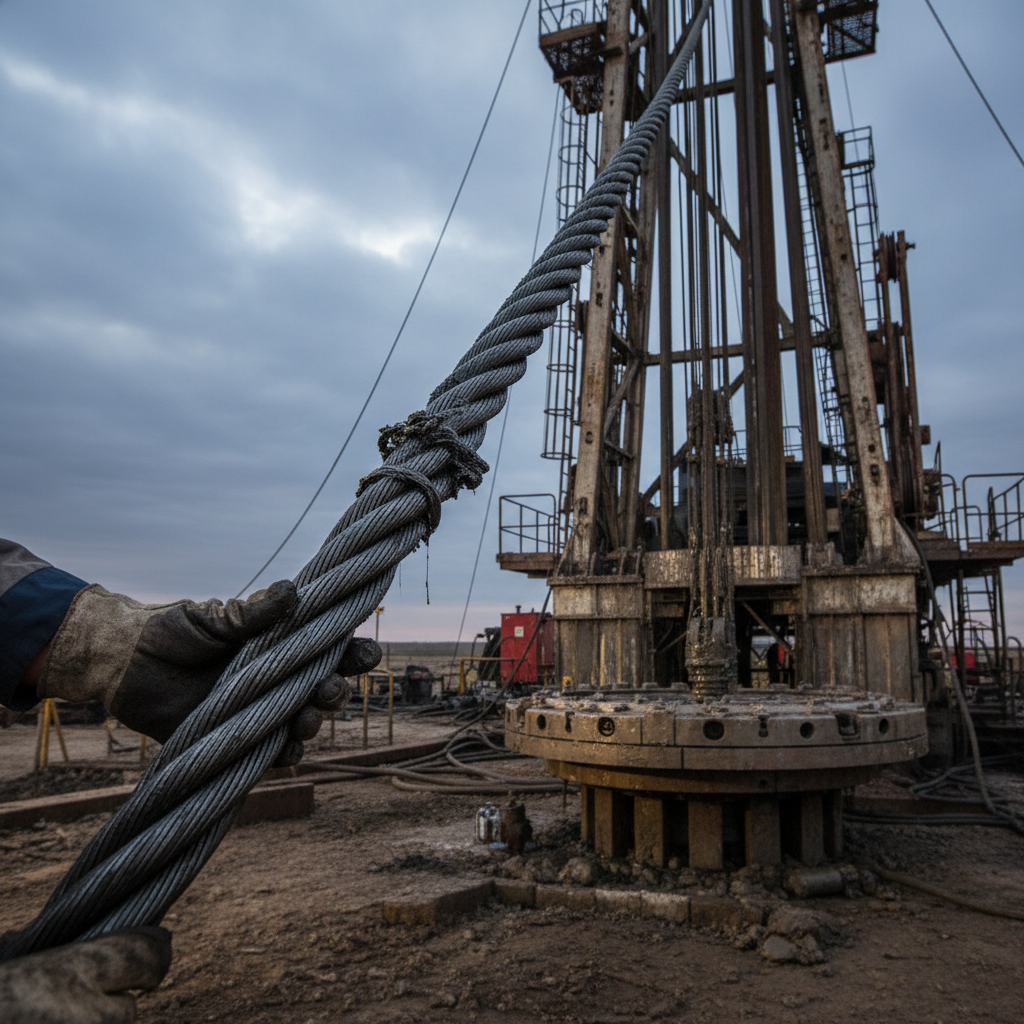
Exploring the Various Types of Drilling Wire Rope and Their Uses
Drilling wire rope plays a crucial role across various industries, particularly in the oil and gas sector. Its robust construction is designed to handle the rigorous demands of drilling applications, ensuring safety and efficiency. According to a report by Market Research Future, the global wire rope market is anticipated to grow at a CAGR of 4.5% from 2020 to 2027, reflecting the increasing adoption of advanced drilling techniques. Different types of drilling wire ropes, including rotation-resistant and stainless steel ropes, are tailored for specific tasks. Rotation-resistant ropes, for example, minimize torque effects and enhance stability, making them ideal for deep well drilling operations.
Additionally, the marine and construction industries utilize drilling wire rope for different purposes. In marine applications, these ropes facilitate underwater drilling and anchoring processes, while in construction, they are essential for hoisting and pulling heavy equipment. The demand for high-performance wire ropes is evident, and according to the International Association of Drilling Contractors, increased drilling activities, particularly in offshore environments, are driving innovations in rope technology. As companies strive to enhance operational efficiency and safety, the choice of drilling wire rope can significantly influence the success of their projects.
Best Practices for Selecting and Maintaining Drilling Wire Rope
When selecting drilling wire rope, it's crucial to consider several factors to ensure optimal performance and safety. First, understand the specific requirements of your drilling operation, including load capacity, depth, and environmental conditions. Choosing the right construction—such as strand type and diameter—will affect the rope's strength and flexibility. Additionally, look for ropes that are resistant to wear and corrosive elements, as these conditions can greatly impact the lifespan of the rope.
Tips for Selection:
- Always consult the manufacturer’s specifications to ensure the wire rope meets the load demands of your specific application.
- Consider the environment where the rope will be used—this includes temperature extremes, moisture, and chemical exposure.
Maintaining drilling wire rope is just as important as selecting the right one. Regular inspections should be conducted to detect any signs of wear, kinks, or corrosion. Implementing a consistent lubrication schedule can significantly enhance the rope's durability. Proper storage of the wire rope when not in use will also prevent unnecessary damage due to environmental factors.
Tips for Maintenance:
- Schedule routine checks every few weeks to identify potential issues early on.
- Store wire rope in a dry, clean environment to prevent rust and wear.
Future Trends and Innovations in Drilling Wire Rope Technology
The future of drilling wire rope technology is poised for significant advancements driven by innovation and the evolving demands of the industry. One notable trend is the integration of smart materials and sensors within wire ropes. These enhancements allow for real-time monitoring of the rope's condition, providing essential data on wear and performance. As a result, operators can optimize maintenance schedules and reduce the risk of catastrophic failures, ultimately improving safety and operational efficiency.
Additionally, the development of lightweight yet stronger materials is reshaping the landscape of drilling wire ropes. Advanced composite materials and high-strength steel alloys are being explored to create ropes that can withstand extreme conditions while minimizing fatigue. This not only extends the lifespan of drilling equipment but also increases operational efficiency, allowing for deeper and more demanding drilling projects. With these innovations, the drilling industry is likely to see enhanced performance and reduced operational costs, setting new standards for future drilling practices.
What is Drilling Wire Rope and its Applications in the Industry - Future Trends and Innovations in Drilling Wire Rope Technology
| Dimension |
Details |
| Material |
High Carbon Steel |
| Diameter |
9 mm - 40 mm |
| Breaking Strength |
Up to 200 tons |
| Applications |
Oil & Gas, Mining, Construction |
| Technological Innovations |
Coating Techniques, Improved Flexibility |
| Future Trends |
Smart Rope Technologies, Automation |
| Maintenance |
Regular Inspections, Lubrication |
| Safety Standards |
OSHA, API Compliance |