Leave Your Message

What is an Elevator Rope and How Does It Work?

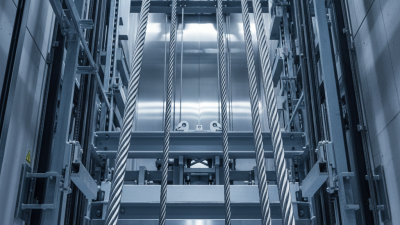
The Elevator Rope plays a critical role in the operation of elevators. It is essential for safely lifting and lowering the elevator car. Understanding its function enhances our appreciation of this everyday technology.

The Elevator Rope typically consists of strong materials, like steel. This ensures durability and strength to handle heavy loads. As the elevator operates, the rope must endure various forces. Over time, wear and tear can affect its performance. Regular inspections are crucial for safety.

Many people overlook the importance of the Elevator Rope in daily life. Without it, elevators would struggle to function. This raises questions about safety protocols and maintenance routines. How often should we check these essential components? A little more attention could prevent serious issues.
What is an Elevator Rope and How Does It Work?

What Is an Elevator Rope?

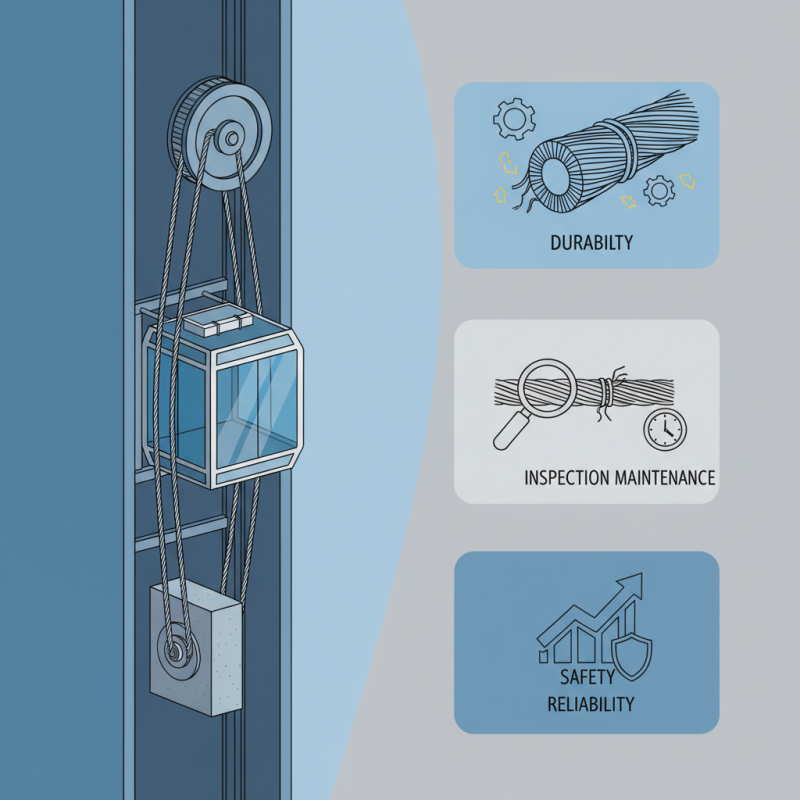
Elevator ropes, often called hoisting cables, play a crucial role in vertical transportation. These ropes are designed to lift and lower the elevator car. They attach to the elevator system and connect to a pulley at the top of the shaft. This design allows smooth movement as the elevator ascends and descends.

Typically made from strong steel, these ropes must withstand significant weight. Sometimes, they can fray over time. This degradation can be dangerous, yet many overlook regular inspections. A well-maintained elevator rope ensures safety and efficiency for passengers.

The mechanism of these ropes involves intricate tension and force distribution. As the elevator moves, the ropes twist and bend, which can lead to wear. Regular maintenance is necessary to address these issues. Ignoring small problems could lead to larger failures down the line. It's crucial to consider these factors for safe elevator operation.

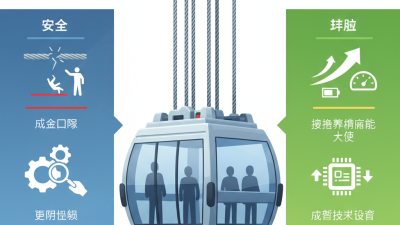
The Different Types of Elevator Ropes

Elevator ropes are essential components that enable elevators to move smoothly between floors. There are several types of elevator ropes, each designed for specific uses and environments. The most common type is the steel wire rope, known for its strength and durability. These ropes consist of several strands of wire twisted together, offering high tensile strength. They are often used in commercial buildings, where elevators face heavy loads.

Another type is synthetic ropes. These are made from materials like nylon or polyester, providing flexibility and resistance to wear. Synthetic ropes can be lighter than steel, making them easier to handle. However, they may not have the same load capacity, which raises concerns in high-rise applications. A few elevators might even use a combination of both types for optimal performance.

There's an ongoing debate about the effectiveness of each type. Some argue that steel ropes can wear down over time, while others feel synthetic options might degrade quicker under heavy use. Recognizing the strengths and weaknesses of these ropes is crucial for engineers when designing elevator systems. Choosing the right rope involves considering factors such as load, frequency of use, and environmental conditions. Such decisions require careful thought and constant reevaluation.

How Elevator Ropes Are Made and Tested

What is an Elevator Rope and How Does It Work?

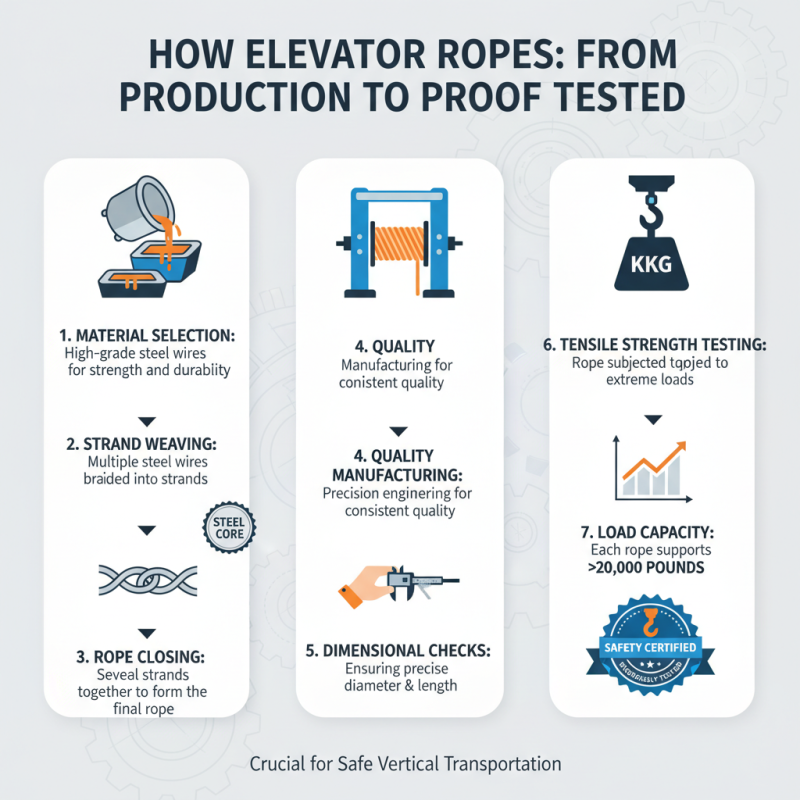
Elevator ropes are crucial for safe vertical transportation. The manufacturing process involves several steps, from selecting high-quality materials to rigorous testing. Typically, these ropes are made from steel, which provides strength and durability. According to industry studies, a well-made elevator rope can support loads exceeding 20,000 pounds.

During production, the ropes undergo various tests to ensure reliability and safety. Tensile strength tests measure how much weight the rope can handle before breaking. In a typical test, samples are pulled until they fail, providing data about their ultimate load capacity. Additionally, wear and fatigue tests simulate years of use and help identify potential failure points. A report from the National Elevator Industry indicates that around 50% of elevator accidents result from equipment failure, many of which could be mitigated by proper rope quality.

However, issues can arise even if the ropes pass initial testing. Environmental factors such as humidity and temperature can weaken steel. Regular inspections are necessary to ensure integrity. Reports show that up to 30% of ropes might show signs of wear after just a few years. The industry must continually enhance testing protocols to maintain safety and reliability standards.

The Role of Elevator Ropes in Lift Mechanisms

Elevator ropes are vital in lift mechanisms. They connect the cab to the counterweight, allowing for smooth vertical movement. Made of strong materials, these ropes experience both tension and friction throughout their operation. Over time, wear and tear can affect their performance. Regular inspections are essential to ensure safety.

In operation, when the elevator moves up, the motor pulls the ropes. Meanwhile, the counterweight descends, balancing the load. This system saves energy and reduces strain on the motor. However, if the ropes become frayed or damaged, it can lead to malfunctions. Such issues may require immediate attention to prevent accidents.

The role of these ropes is not just mechanical but also deeply safety-oriented. If they fail, the consequences can be dire. Understanding their function highlights the importance of regular maintenance. Observing slight fraying can be the difference between safety and disaster.

Elevator Rope Load Capacity Comparison

The following chart illustrates the load capacity of different types of elevator ropes. Understanding the strengths of various materials is crucial for ensuring the safe operation of elevators.

Understanding the Maintenance of Elevator Ropes

Elevator ropes play a crucial role in the operation of elevators. Proper maintenance is vital for safety and efficiency. Regular inspection is necessary, as wear and tear can lead to failures. A study from the Elevator Research Institute indicates that 70% of elevator failures are attributed to rope issues. This statistic underscores the importance of maintenance.

Routine checks should focus on friction and wear. Inspectors should look for signs of damage, such as fraying or rust. In some cases, even a small defect can escalate quickly. A worn rope, if not replaced, can cause accidents. Keeping up with maintenance can save lives.

Tips: Always keep an eye on the ropes. Schedule professional inspections every six months. This proactive approach can catch issues early into the problem. Pay attention to unusual sounds during operation; they may signal rope wear.

Ensuring ropes remain in good condition can prevent costly downtime. Ignoring small issues often leads to bigger problems down the line. Regular maintenance is not just good practice; it's essential for safe elevator operation.