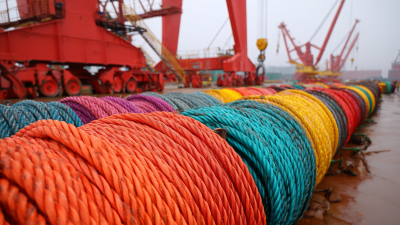
Industrial Crane Rope Buying Guide for Global Importers?
When considering the purchase of Industrial Crane Rope, importers face numerous challenges. Understanding the right specifications is crucial. Renowned industry expert, John Carter, states, "Choosing the wrong rope can lead to serious safety risks." This highlights the importance of making informed decisions.
Industrial Crane Rope comes in various types and sizes. Each type serves specific needs based on application and load requirements. Importers must know the differences. This awareness helps prevent costly mistakes. Selecting the wrong type may result in operational delays and safety hazards.
Quality and reliability are paramount. Rope integrity ensures the safety of workers and equipment. Not all suppliers provide the same level of assurance. Buyers should prioritize reputable manufacturers with proven track records. Emphasizing quality can save time and resources in the long run. Though the process may seem daunting, well-informed decisions lead to successful operations in the industrial sector.
Types of Industrial Crane Ropes and Their Applications
When selecting industrial crane ropes, understanding the various types and their applications is crucial.
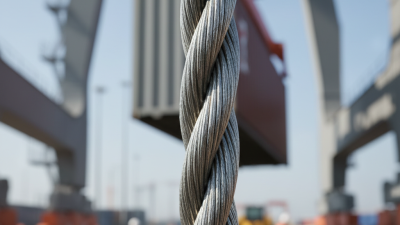
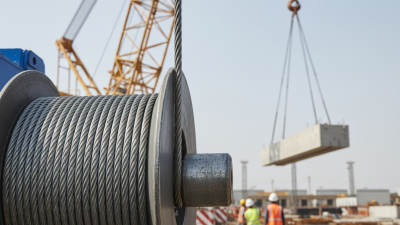
Steel wire ropes are one of the most common. They offer high tensile strength and durability. These ropes are ideal for heavy lifting tasks in construction and shipping industries. However, their weight can be a disadvantage when handling lighter loads.
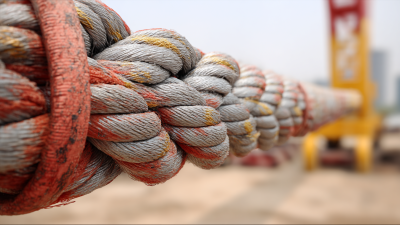
Synthetic ropes are another option. They are lighter and easier to handle, making them suitable for applications where weight is a concern. Often made from materials like nylon, they provide flexibility and resistance to corrosion. However, they may not be as strong as steel ropes for heavy-duty tasks. Importers must weigh these factors.
Each type of rope has specific care requirements. Steel ropes need regular inspections for fraying or wear. Synthetic ropes require protection from UV light and chemicals. Neglecting these aspects can lead to failure and accidents. Understanding these nuances can enhance safety and efficiency in operations.
Factors to Consider When Buying Crane Ropes for Import
When purchasing industrial crane ropes for import, several critical factors demand attention.
The type of rope material significantly impacts durability and performance.
Steel wire ropes are popular due to their strength. They can handle heavy loads, but they require maintenance to prevent rust and wear. On the other hand, synthetic ropes are lightweight and resist environmental degradation, making them ideal for outdoor applications.
According to industry reports, steel ropes can last up to five years with proper care, while synthetic options may last around three years.
Understanding the load capacity is vital. Each rope has a specified safe working load (SWL).
Exceeding this limit can lead to failures, risking injury and equipment damage. Ensure the rope’s specifications align with your operational requirements. A survey indicated that 30% of crane accidents occur due to equipment overload.
Please ensure that ropes comply with international standards to ensure reliability and safety.
Tips: Always check the manufacturing details. Look for ropes that offer performance warranties. This can indicate a manufacturer's confidence in their product. Conduct a risk assessment before making a purchase. It's crucial not to underestimate the importance of regular inspections. Ropes can wear down unexpectedly, affecting safety and efficiency.
Consider all aspects thoroughly before making a decision.
Quality Standards and Certifications for Crane Ropes
When purchasing industrial crane ropes, quality standards and certifications play a crucial role. These standards ensure the safety and efficiency of lifting operations. Look for ropes that meet international safety certifications. This includes ISO standards which outline essential specifications for materials and manufacturing processes. Certified ropes guarantee that they have undergone rigorous testing.
Different regions have various certification requirements. It’s wise to research local regulations and seek information from reputable sources. A certified rope often includes detailed documentation. This includes test reports and material certificates. Importers should ensure that suppliers provide these documents. This transparency builds trust and aids in compliance checks.
However, not all products meet these standards, even if they claim to. It’s essential to verify the compliance of every batch received. Conducting independent testing can help identify hidden issues. Understand the risks before making bulk purchases. Regular inspections also remain vital after installation. Quality ropes are an investment, but it requires diligence to ensure reliability in operation.
Cost Analysis: Budgeting for Industrial Crane Rope Imports
When budgeting for industrial crane rope imports, several factors come into play. Industry reports indicate that the cost of crane ropes can vary significantly based on material, diameter, and construction. For instance, wire ropes typically range from $0.50 to $3 per foot, depending on their specifications. High-quality synthetic ropes may cost even more due to their advanced properties, such as lightweight and high tensile strength. Importers must consider these variables to avoid unexpected expenses.
Additionally, factors like shipping fees, tariffs, and handling charges can add to the total cost. Reports suggest that shipping costs alone can account for 20-30% of the total import price. Importers should also be aware of fluctuating exchange rates, which can impact budgeting. For businesses operating on tight margins, these hidden costs can affect overall competitiveness in the market.
Understanding the market trends is crucial. Recent surveys show that demand for lightweight yet durable ropes is on the rise, prompting price fluctuations. Importers need to conduct thorough research and keep abreast of supply chain issues, as they can lead to delays and additional costs. Addressing these complexities is essential for staying profitable in the volatile industrial landscape.
Industrial Crane Rope Import Cost Analysis
Supplier Selection: Finding Reliable Rope Manufacturers Globally
When sourcing industrial crane ropes, selecting the right supplier is crucial. The global demand for high-quality rope products is ever-increasing. According to industry reports, the market for industrial ropes is projected to grow at a CAGR of 5.2% from 2023 to 2030. Therefore, reliability in your supplier choice is paramount.
Investigate potential rope manufacturers carefully. Look for companies with proven track records and positive customer feedback. Industry certifications can indicate a commitment to quality. However, not all certifications are equal; some may lack rigorous standards. Always scrutinize the manufacturing processes. Transparency in material sourcing and production methods builds trust.
Consider geographic proximity but balance it with quality. While local suppliers may reduce shipping costs, they may not always provide the best products. Delve deeper into their supply chains to avoid dependencies on unreliable sources. A diverse supplier base can mitigate risks. Remember that price alone shouldn’t dictate your choice; the cost-effectiveness of durable products often outweighs initial savings.
Industrial Crane Rope Buying Guide for Global Importers - Supplier Selection: Finding Reliable Rope Manufacturers Globally
| Criterion |
Details |
| Material Type |
Steel, Synthetic, or Composite |
| Load Capacity |
Up to 100 tons |
| Standard Compliance |
ISO 4309, ASME, etc. |
| Production Capacity |
1000 meters/month |
| Lead Time |
4-6 weeks |
| Location of Manufacturing |
Asia, Europe, North America |
| Warranty Period |
1-3 years |
| Pricing Structure |
Cost per meter, bulk discounts available |