How to Source 316 Stainless Steel Channel for Your Project?
When considering materials for construction, the choice of 316 Stainless Steel Channel stands out. This alloy is renowned for its excellent corrosion resistance and durability. According to a recent report from the Specialty Steel Industry of North America, stainless steel use in construction has grown by over 50% in the past decade. This increased demand reflects its importance in building infrastructure that withstands harsh environments.
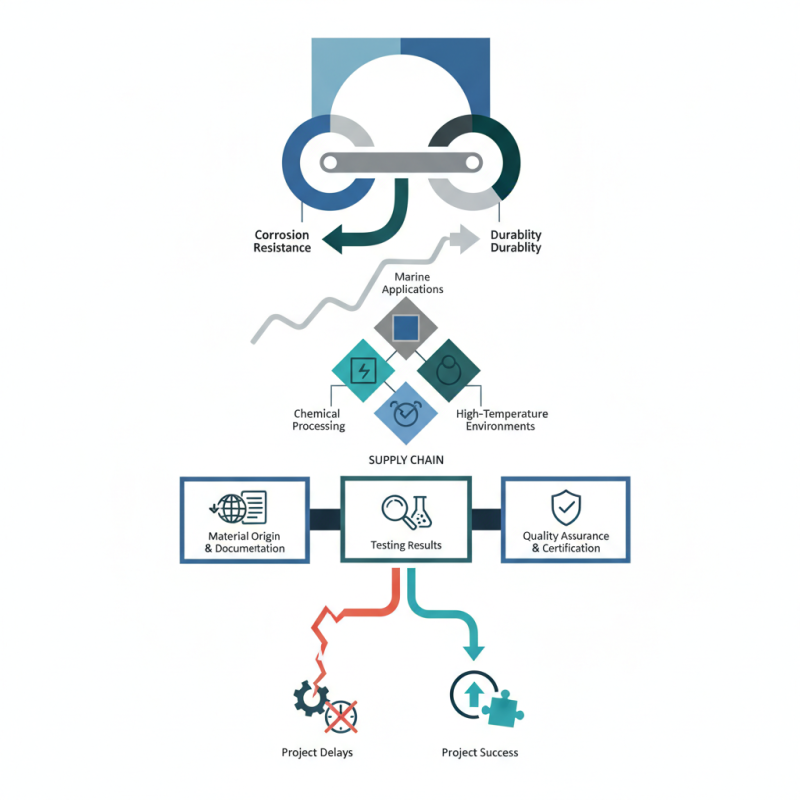
The properties of 316 Stainless Steel Channel include high tensile strength and resistance to pitting. These features make it ideal for marine applications, chemical processing, and high-temperature environments. However, sourcing requires attention. Quality assurance and certification are pivotal. A misstep in sourcing can lead to significant project delays.
Understanding the supply chain for 316 Stainless Steel Channel is vital. Key suppliers should provide documentation on the material's origin and testing results. While many options are available, not all meet the required standards. Therefore, careful selection and research are indispensable for project success.
Understanding 316 Stainless Steel and Its Applications
316 stainless steel is widely appreciated for its superior corrosion resistance. This type of stainless steel contains molybdenum, enhancing its ability to withstand harsh environments. It is often used in marine applications, chemical processing, and construction. Understanding its properties helps in selecting the right material for your project.
This steel is not only durable but also versatile. It can be easily shaped into channels and other forms. However, its cost may be higher than other materials. Budget constraints may affect your choice. Some projects may benefit from alternative materials. Research is essential when considering your options.
Users should also be wary of different grades and finishes. Each can impact performance. Ensure you find a reliable supplier. Quality can vary significantly between vendors. Don’t rush the sourcing process. Analyze your needs and the specific application of the steel. Take time to educate yourself on 316 stainless steel.
Identifying the Right Specifications for Your Project Needs
When sourcing 316 stainless steel channel for a project, identifying the right specifications is crucial. The 316 grade offers superior corrosion resistance, especially in marine environments. This quality makes it an ideal choice for applications in chemical processing and food industries. According to a report by the International Stainless Steel Forum, the global demand for stainless steel is expected to grow by 3% annually, reflecting its critical role in various sectors.
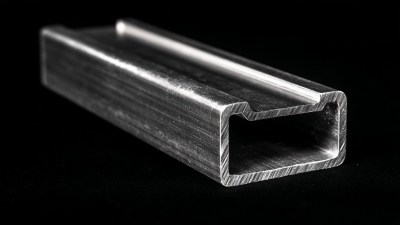
Key specifications to consider include dimensions, wall thickness, and finish. Dimensions should align with project requirements to ensure structural integrity. A common challenge is correctly interpreting mill certification documents. These documents verify that the materials meet specified standards. However, they can sometimes lack clarity, leading to potential mismatches in expectations.
It’s also important to assess the mechanical properties of 316 stainless steel. Tensile strength values typically range from 70,000 to 90,000 psi, depending on cold working processes. The variability requires close scrutiny during selection. You may notice that some vendors offer extensive options, yet not all may be necessary for your project. Balancing specifications with practical needs can lead to more effective sourcing. The industry often emphasizes the importance of quality assurance, which can ultimately save time and resources in project implementation.
How to Source 316 Stainless Steel Channel for Your Project? - Identifying the Right Specifications for Your Project Needs
| Dimension |
Weight per Foot (lbs) |
Thickness (in) |
Material Type |
Surface Finish |
| 2 x 1 x 0.125 |
1.57 |
0.125 |
316 Stainless Steel |
Brushed |
| 3 x 2 x 0.125 |
2.36 |
0.125 |
316 Stainless Steel |
Polished |
| 4 x 2 x 0.187 |
3.55 |
0.187 |
316 Stainless Steel |
Mill Finish |
| 5 x 3 x 0.187 |
4.74 |
0.187 |
316 Stainless Steel |
Shot Blasted |
Evaluating Pricing and Quality of 316 Stainless Steel Products
When evaluating pricing and quality of 316 stainless steel products, several factors come into play. Industry reports from reputable sources indicate that prices can vary significantly, often ranging from $3 to $8 per pound based on market conditions. The fluctuating costs reflect supply chain challenges and raw material availability. Understanding these dynamics is crucial for project planning.
Quality is another essential aspect. 316 stainless steel is well-regarded for its corrosion resistance and durability. ASTM standards, specifically ASTM A240, govern its specifications. It's important to verify compliance with these standards when sourcing materials. Independent testing proves essential for quality assurance, as not all suppliers adhere to the same manufacturing practices.
Market data reveals that 316 stainless steel's superior properties make it suitable for marine applications and environments with harsh conditions. However, not all products labeled 316 meet the expected quality. Some suppliers might offer lower-priced options, which could compromise performance. Investing time in supplier vetting can yield better long-term results. Hence, a cautious approach in reviewing materials can prevent future issues.
Navigating Shipping and Delivery Options for Your Order
When sourcing 316 stainless steel channel for your project, it's crucial to consider shipping and delivery options. This material is ideal for various applications, including marine environments and chemical processing. According to industry reports, shipping costs for heavy metals can vary significantly based on distance and weight. Understanding these factors can prevent budget overruns.
To optimize your shipping experience, choose suppliers that provide transparent delivery timelines. Aim for companies with a reputation for reliable service. Look for those that accommodate flexible shipping methods. For instance, expedited shipping can be beneficial when time is of the essence. However, it often comes with increased costs, so weigh your options wisely.
Tip: Always confirm shipping details before placing your order. Ask about tracking options. Moreover, consider potential customs clearance issues that could add delays. Understanding these aspects can ensure your materials arrive on time, keeping your project on schedule. Remember, logistical hiccups can lead to frustration and unnecessary expenses. Keep communication open with your supplier to mitigate any potential problems.