Top 10 Benefits of 304 Stainless Steel Flat for Global Buyers?
In the world of manufacturing and construction, the demand for quality materials is paramount. 304 Stainless Steel Flat stands out as a preferred choice for global buyers, offering unmatched durability and versatility. According to Dr. Emily Chen, a leading expert in materials science, "The strength and resistance of 304 Stainless Steel Flat make it ideal for various applications."
This alloy is known for its excellent corrosion resistance and exceptional strength. Many buyers have noticed that choosing 304 Stainless Steel Flat can significantly enhance the longevity of their products. However, the market can be overwhelming, with numerous options available. It's crucial to know what benefits this material offers.
One must consider both the advantages and any potential drawbacks. While 304 Stainless Steel Flat is often more expensive than alternatives, its long-term benefits can outweigh the initial costs. With proper research, buyers can make informed decisions that lead to more sustainable and reliable solutions in their projects.
Overview of 304 Stainless Steel Flat and Its Properties
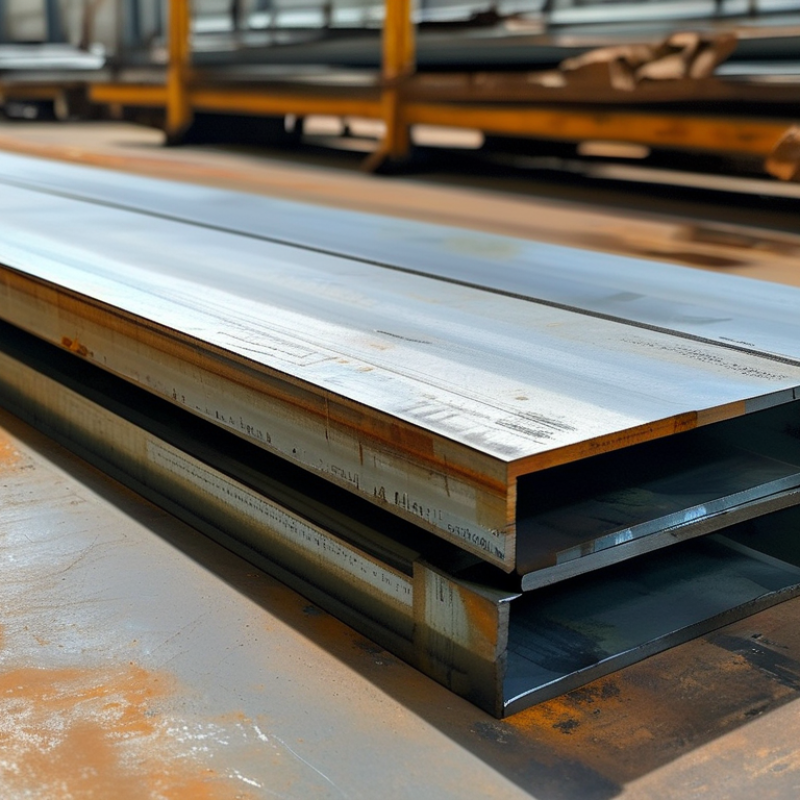
304 stainless steel flat is a versatile material widely used in various industries. Its primary compositions include chromium and nickel, which enhance its corrosion resistance. According to data from the International Stainless Steel Forum, about 60% of stainless steel production is austenitic, highlighting the importance of types like 304.
This type of stainless steel exhibits excellent durability under extreme conditions. It can withstand high temperatures and resist oxidation. In fact, the material retains strength even at elevated temperatures, making it suitable for applications in kitchens and manufacturing.
Tips: When selecting 304 stainless steel, consider the
thickness appropriate for your project.
Thicker sheets offer greater durability but may incur higher costs.
Moreover, this flat material has
good workability. It can be easily formed, welded, and machined. These properties make it an excellent choice for fabrications where
precision is essential. However, note that welding requires attention to prevent distortion.
Tips: Always check the
chemical composition for exact specifications. Variations in nickel content can affect its performance in specific environments.
Corrosion Resistance: Why 304 Stainless Steel is a Preferred Choice
304 stainless steel is widely recognized for its remarkable corrosion resistance. This property makes it a top choice for various applications, especially in harsh environments. The alloy contains 18% chromium and 8% nickel, which enhances its ability to withstand rust and oxidative damage. Industries such as food processing, pharmaceuticals, and construction benefit significantly from using 304 stainless steel.
For buyers, understanding the nuances of corrosion resistance in 304 stainless steel can be vital. Regular maintenance can extend the life of products made from this material. Here are some tips:
- Clean surfaces regularly to prevent buildup of contaminants.
- Use non-abrasive cleaners to avoid scratching the surface.
- Inspect items periodically for signs of wear or corrosion.
While 304 stainless steel is highly resistant, it's not immune to all chemicals. Certain acids and chlorides can still cause damage. When working with these substances, consider alternatives or protective coatings. This awareness is crucial for ensuring long-term performance. Proper knowledge leads to informed decisions, minimizing costly repairs or replacements.
Versatility in Applications: Common Uses of 304 Stainless Steel Flats
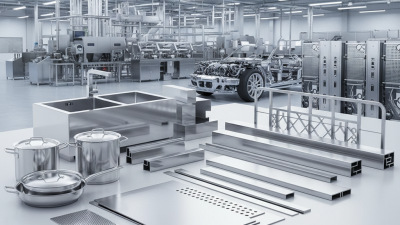
304 stainless steel flats are incredibly versatile. They find applications in various industries, showcasing their importance. Common uses include kitchen equipment, chemical containers, and architectural elements. Their resistance to corrosion makes them ideal for environments exposed to moisture.
In construction, 304 stainless steel flats are used for structural support. They provide durability and strength, which is essential for long-lasting structures. Moreover, these flats are easy to fabricate. It allows for rapid assembly and customization based on project requirements. This adaptability can be both a blessing and a curse. Incorrect specifications can lead to wasted materials.
When selecting 304 stainless steel flats, consider the thickness and width needed for your project. This ensures that the material will withstand intended loads. Always source your materials from reputable suppliers. Reliable information can save time and costs in the long run.
Cost-Effectiveness: Analyzing the Economic Benefits for Buyers
304 stainless steel flat products offer considerable economic advantages for global buyers. Their cost-effectiveness stems from their durability and low maintenance requirements. This alloy resists corrosion, making it ideal for various applications in different environments. Over time, investing in 304 stainless steel can result in significant savings. Replacing materials frequently is costly; durable choices minimize these expenses.
When sourcing materials, consider the total lifecycle cost. This involves not only the initial purchase price but also the potential for future repairs or replacements. The long-lasting nature of 304 stainless steel flat reduces these ongoing costs. A wise investment today leads to fewer financial burdens tomorrow.
Tips: Always evaluate suppliers based on their reliability. Look for those that provide transparency in pricing and quality assurance. Regularly revisiting your material choices can reveal new opportunities for cost savings.
Top 10 Benefits of 304 Stainless Steel Flat for Global Buyers
| Benefit |
Description |
Economic Impact |
| Corrosion Resistance |
304 stainless steel offers high resistance to corrosion, making it durable in harsh environments. |
Reduced maintenance costs and prolonged service life increase overall economic savings. |
| Versatility |
Can be used in a wide range of applications, from kitchen equipment to architectural structures. |
Its adaptability saves costs by minimizing the need for different materials. |
| Aesthetic Appeal |
Offers a clean and attractive appearance, suitable for visual applications. |
Higher perceived value can lead to increased sales and customer satisfaction. |
| Hygienic Properties |
Non-porous surface prevents bacteria growth, making it ideal for food processing. |
Lower healthcare costs due to better hygiene practices. |
| High Strength-to-Weight Ratio |
Lightweight yet strong, reducing the need for extra support in structures. |
Lower shipping and installation costs due to ease of handling. |
| Recyclability |
Can be recycled without losing quality, promoting sustainable practices. |
Decreased raw material costs and reduced environmental impact fees. |
| Temperature Resistance |
Maintains structural integrity at high temperatures. |
Durability in extreme conditions reduces replacement costs. |
| Easy to Fabricate |
Can be easily cut, shaped, and welded to meet specific requirements. |
Lower labor costs due to easier manufacturing processes. |
| Long-Term Investment |
Proven durability ensures longer life cycles for products. |
Lower total cost of ownership through longevity and reliability. |
| Cost-Effective Manufacturing |
Mass production techniques lead to lower per-unit costs. |
Increased profit margins due to economical production rates. |
Sustainability and Recyclability: Environmental Advantages of 304 Stainless Steel
304 stainless steel is a popular choice globally due to its sustainable and recyclable properties. It has a striking balance between strength and corrosion resistance. This quality makes it ideal for various applications in industries like construction and food processing. Importantly, its recyclability means that 304 stainless steel can be repurposed without losing its integrity.
Choosing materials that are sustainably sourced is essential. Look for suppliers who prioritize eco-friendly practices. This not only benefits the environment but also enhances your brand’s reputation. Keep in mind that even stainless steel needs proper disposal methods to maximize its recyclability.
If you are looking to invest in materials, consider the life cycle of your products. Evaluate their environmental footprint. Understand that using stainless steel can reduce waste in landfills. However, ensure that you’re partnering with companies that emphasize responsible manufacturing practices. Think critically about the sources of your materials to truly benefit from sustainability.