Top 304 Stainless Steel Flanges at 2026 Canton Fair Highlights?
As the 139th Canton Fair approaches in April 2026, it is essential to highlight the prominent 304 Stainless Steel Flanges. This material is recognized for its excellent corrosion resistance and durability. With the growing demand in various industries, the global market for stainless steel flanges is projected to reach $12 billion by 2026.
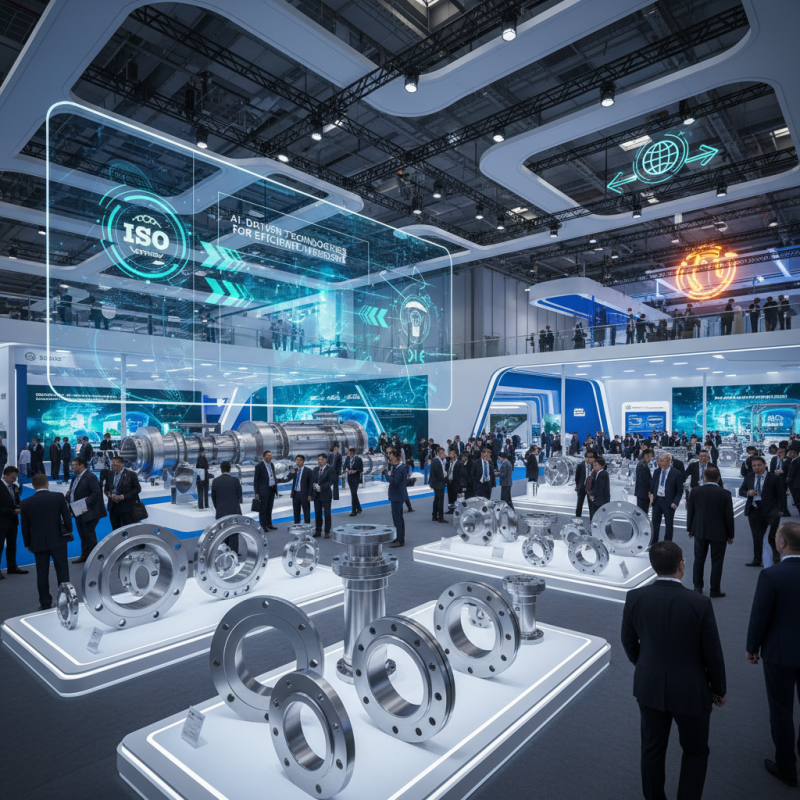
In the context of this prominent trade fair, importing manufacturers can leverage AI-driven technologies for efficient supplier selection. The fair will introduce features that help buyers swiftly find qualified vendors. Companies boasting ISO and CE certifications will be more appealing. Precise navigation within the vast 155,000-square-meter exhibition space may enhance purchasing opportunities for 304 Stainless Steel Flanges.
Despite improvements, challenges remain. Some vendors may lack sufficient stocks or certifications, failing to meet buyer expectations. It is crucial for buyers to conduct due diligence, ensuring that the selected suppliers can deliver the necessary quality and quantities of 304 Stainless Steel Flanges effectively.
Top 304 Stainless Steel Flanges: Overview of Material Properties
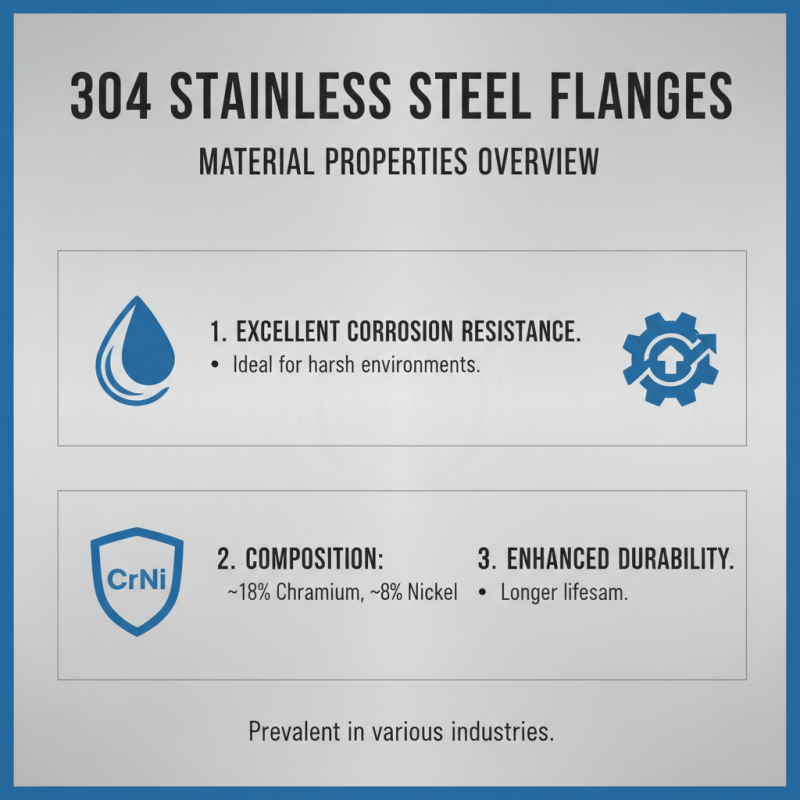
304 stainless steel flanges are prevalent in various industries due to their unique properties. This grade offers excellent corrosion resistance, making it ideal for applications in harsh environments. The composition typically includes 18% chromium and 8% nickel. These elements improve durability significantly, contributing to a longer lifespan of the flanges.
The mechanical strength of 304 stainless steel is noteworthy. The yield strength can reach up to 215 MPa, while the tensile strength often exceeds 500 MPa. These numbers highlight the material's robustness. However, one must reflect on performance under extreme conditions. Not all applications suit this material’s characteristics, especially those requiring high-temperature resistance.
Corrosion resistance plays a crucial role in selecting 304 stainless steel flanges. Studies show that this type withstands various corrosive media. Yet, the resistance is not absolute. In chloride environments, pitting corrosion can occur, which needs attention. Thus, evaluating the specific application conditions is essential. The importance of this evaluation is often underestimated, leading to potential failures.
Key Applications of 304 Stainless Steel Flanges in Industrial Sectors
304 stainless steel flanges are widely used across various industrial sectors. Their excellent corrosion resistance and durability make them suitable for many applications. These flanges are key components in piping systems for oil and gas, chemical processing, and water treatment.
In the oil and gas industry, flanges are critical for ensuring leak-proof connections. They face high pressure and fluctuating temperatures every day. The reliability of 304 stainless steel in these conditions is noteworthy. It serves as a robust solution in offshore platforms and refineries.
Tip: Always check the specifications before installation. This ensures the selected flange meets your system's requirements.
304 stainless steel flanges also find applications in food processing. Their ability to withstand cleaning and sanitization processes is essential. This is particularly relevant for breweries and dairy facilities. The flanges help maintain safety standards without compromising product quality.
Tip: Regular maintenance is crucial. It helps identify wear and prevents future leaks.
The manufacturing sector also relies on these flanges. They help connect machinery and support efficient operations. However, not every flange suits every machine. Selecting the wrong size can lead to inefficiencies. Reflecting on past projects might reveal areas for improvement.
Comparison of 304 vs. 316 Stainless Steel Flanges: Cost and Performance
When choosing between 304 and 316 stainless steel flanges, there are key differences to consider. 304 stainless steel is widely used due to its excellent corrosion resistance and affordability. However, 316 stainless steel offers enhanced resistance to saltwater and chlorides, making it ideal for marine environments. According to industry reports, 316 flanges are about 20-30% more expensive than 304 flanges. This price difference can significantly impact project budgets.
Tips: When selecting flanges, assess the environment they will be used in. If corrosion from saltwater is a concern, 316 is worth the investment. For standard applications, 304 may suffice. Keep in mind that different grades can alter the lifespan of your components.
Additionally, performance varies. 316 stainless steel tends to be stronger under high temperatures. It exhibits better tensile strength as compared to 304. However, some users report difficulty in welding 316 due to its higher nickel content. Ensure that your welding techniques are adjusted accordingly. Flanges that don't fit properly or are poorly welded might lead to leaks or failures.
Comparison of 304 vs. 316 Stainless Steel Flanges Performance and Cost
Market Trends: Demand for 304 Stainless Steel Flanges by 2026
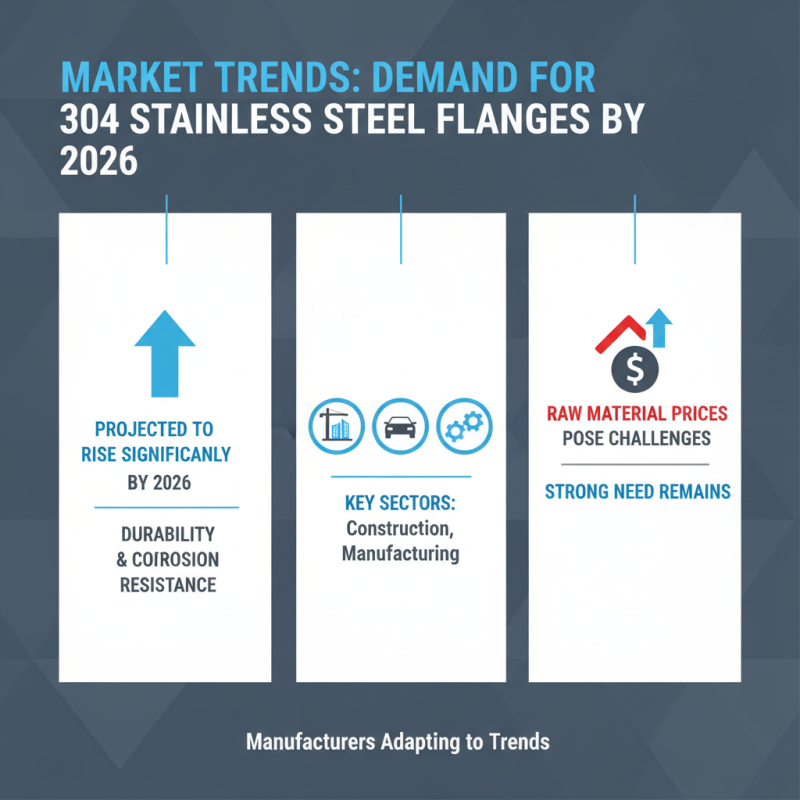
The demand for 304 stainless steel flanges is projected to rise significantly by 2026. Industries are increasingly recognizing their durability and resistance to corrosion. This shift is crucial for sectors like construction, automotive, and manufacturing. The rise in raw material prices poses challenges, yet the need remains strong. Many manufacturers are trying to adapt to these trends.
At the 2026 Canton Fair, several key players will likely showcase their latest innovations. Expect a variety of designs that cater to different applications. However, not all offerings will meet the desired quality standards. Some products may be overpriced, lacking the essential certifications. This inconsistency may lead to buyer skepticism.
Sustainability is another pressing issue. Consumers are turning toward eco-friendly alternatives. Flanges made from recycled materials could capture a significant market share. Nonetheless, the production process for these alternatives may not yet be fully optimized. This gap presents both a challenge and an opportunity for future development.
Canton Fair 2026: Spotlight on Innovations in Flange Manufacturing
The Canton Fair 2026 is set to highlight revolutionary trends in flange manufacturing. Exhibitors are focusing on sustainable materials, especially stainless steel. This shift responds to growing environmental concerns in industry practices. Flanges made from top 304 stainless steel are gaining traction. They offer durability and resistance to corrosion, making them ideal for various applications.
Many exhibitors will showcase innovative designs and production methods. Advanced machining techniques are streamlining flange manufacturing. These methods promise increased precision and reduced waste, but they also demand skilled labor and high initial investments. The balance between innovation and cost is a topic of discussion among industry leaders.
Some products may not meet every expectation. Variations in quality are a concern. Flange specifications can be complicated. Buyers must be diligent when selecting suppliers. The emphasis on innovation must be matched with reliable performance. Quality assurance processes need improvement to avoid potential setbacks. The excitement surrounding new technologies is palpable, but reflection on their practical implementation is essential.