




How well does Hastelloy C276 bar perform under harsh conditions?
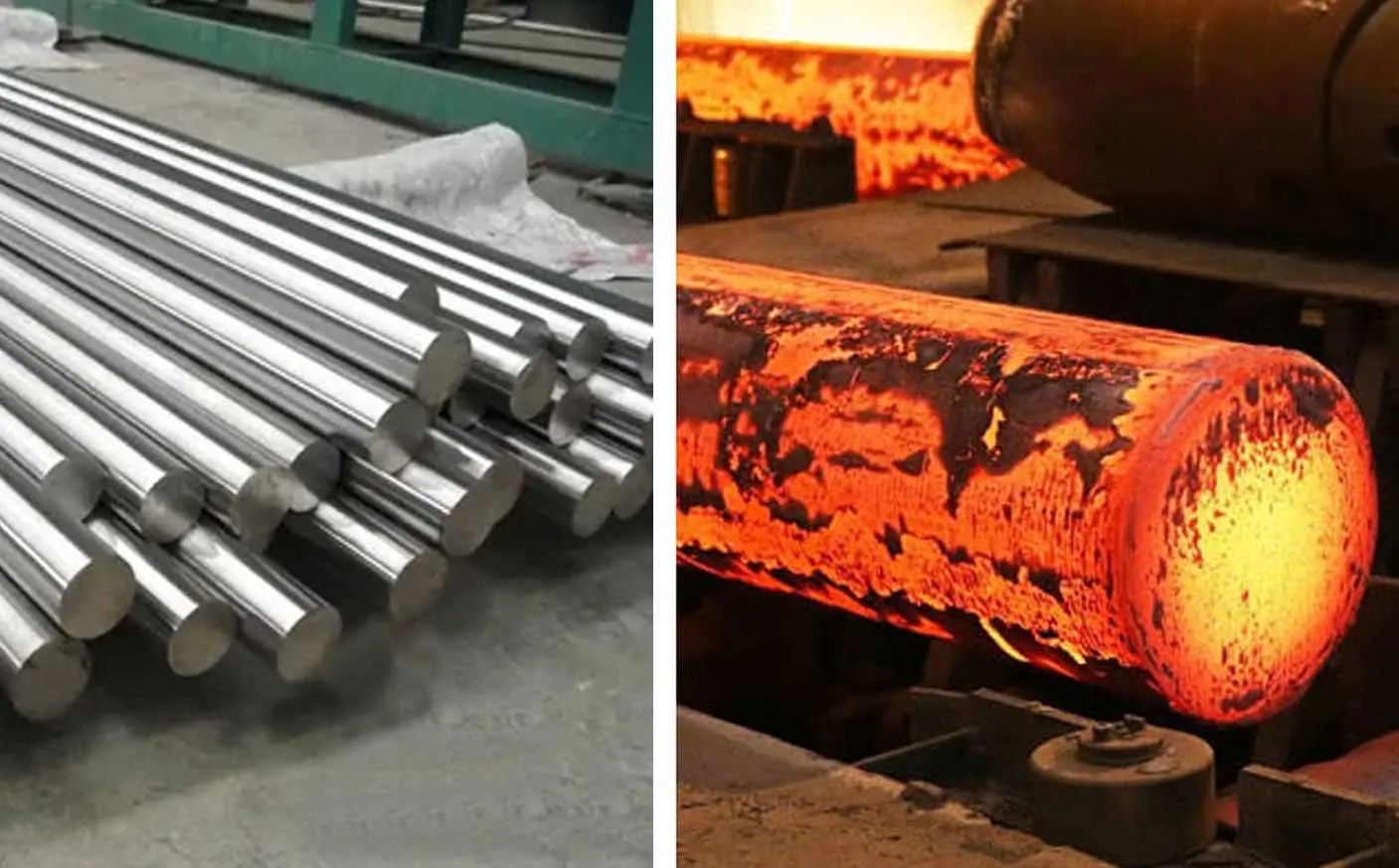
Hastelloy C276 is hailed as an "all-around corrosion-resistant alloy," exhibiting near-indestructible performance in extremely harsh industrial environments. As a nickel-molybdenum-chromium-tungsten forged alloy, its bar form is widely used in chemical, oil and gas, environmental desulfurization, and nuclear power industries.
The following is an in-depth technical analysis of the performance of Hastelloy C276 bars under harsh conditions:
1. Corrosion Resistance in Extreme Chemical Environments
The core advantage of Hastelloy C276 lies in its extremely high stability in both oxidizing and reducing media.
- Resistance to Acidic Media: It exhibits excellent resistance to strong reducing acids (such as hydrochloric acid, sulfuric acid, and phosphoric acid). Especially in boiling concentrations of hydrochloric acid, where ordinary stainless steel rapidly fails, C276 maintains a very low corrosion rate.
- Resistance to Wet Chlorine and Oxidizing Salts: C276 is one of the very few materials that can resist corrosion from wet chlorine gas, hypochlorites, and chlorine dioxide solutions. Furthermore, it exhibits excellent chemical inertness to high concentrations of oxidizing salts (such as ferric chloride and copper chloride).
- Resistance to Pitting and Crevice Corrosion: The high content of chromium (Cr) and molybdenum (Mo), coupled with the addition of tungsten (W), gives it extremely strong resistance to localized corrosion in extreme environments containing chloride ions (such as seawater and strongly acidic mine water).
2. Excellent High-Temperature Mechanical Properties
Bar stock is typically used as fasteners, shafts, or structural supports, requiring operation in high-temperature and high-pressure environments.
- Thermal Stability: C276 maintains its oxidation resistance up to 1038°C (1900°F). While its recommended long-term load-bearing operating temperature is typically below this value, its structural integrity far surpasses that of ordinary nickel-based alloys during sudden high-temperature events or extreme thermal cycling.
- Creep Cracking Resistance: Under high-temperature and high-pressure environments, C276 effectively resists creep deformation caused by sustained stress, making it an ideal choice for critical components in aerospace and nuclear reactors.
3. Extremely Strong Resistance to Stress Corrosion Cracking (SCC)
In the oil and gas industry, "acidic environments" (containing H₂S, chlorides, and carbon dioxide) are a nightmare for materials.
- Resistance to Sulfide Stress Cracking: Due to its extremely high nickel content, C276 is virtually immune to chloride-induced stress corrosion cracking. In the acidic gas environments deep within oil and gas wells, valve stems and hooks made from C276 bars effectively prevent sudden fracture caused by hydrogen embrittlement or sulfide stress corrosion.
4. Corrosion Resistance in the Welded State
Many alloys experience carbide precipitation in the heat-affected zone (HAZ) after welding, leading to intergranular corrosion.
- Ultra-low carbon and silicon content: C276 bars are designed with strictly controlled carbon (≤0.01%) and silicon (≤0.08%) content. This "carbon-poor" design significantly suppresses the formation of grain boundary precipitates during welding, allowing equipment to be directly used in harsh corrosive chemical processes in the welded state without the need for complex post-weld heat treatment.
5. Machining Performance and Mechanical Strength
Although C276 is classified as a "difficult-to-machine material," its bars exhibit excellent ductility and mechanical strength
| | |
| | |
| | |
| | |
| | |
Note:
C276 exhibits an extremely strong tendency for work hardening. When cutting or drilling bars, heavy machinery, low cutting speeds, and high feed rates are required, and the tool must be kept in a cutting state at all times to prevent the surface hardening layer from thickening.
Summary:
Hastelloy C276 bars are not only the "ultimate solution" to severe corrosion problems, but also a guarantee for the long-term safe operation of equipment under extreme conditions. Although their initial material cost is high, their extremely long service life and extremely low maintenance requirements make them highly economical over their entire life cycle.