What is 304 Stainless Steel Belt and Its Applications?
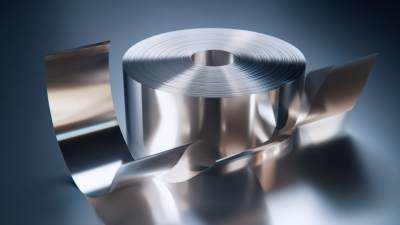
The 304 Stainless Steel Belt is a versatile material known for its durability and resistance to corrosion. It is made from a specific alloy that includes chromium and nickel, giving it excellent strength. This belt is popular in various industries due to its unique properties.
Its applications vary widely, ranging from food processing to automotive manufacturing. In food processing, the 304 Stainless Steel Belt ensures hygiene and safety. It withstands harsh cleaning agents and high temperatures. In automotive settings, it is valued for its robustness and longevity. However, some users may overlook the importance of selecting the right grade for their specific needs.
Understanding the limitations of 304 Stainless Steel is crucial. While it offers numerous advantages, improper use can lead to issues like rusting in certain environments. Therefore, it is vital to consider factors such as exposure to chemicals or extreme temperatures. Making informed decisions can enhance the effectiveness of the 304 Stainless Steel Belt in any application.
What is 304 Stainless Steel and Its Composition?
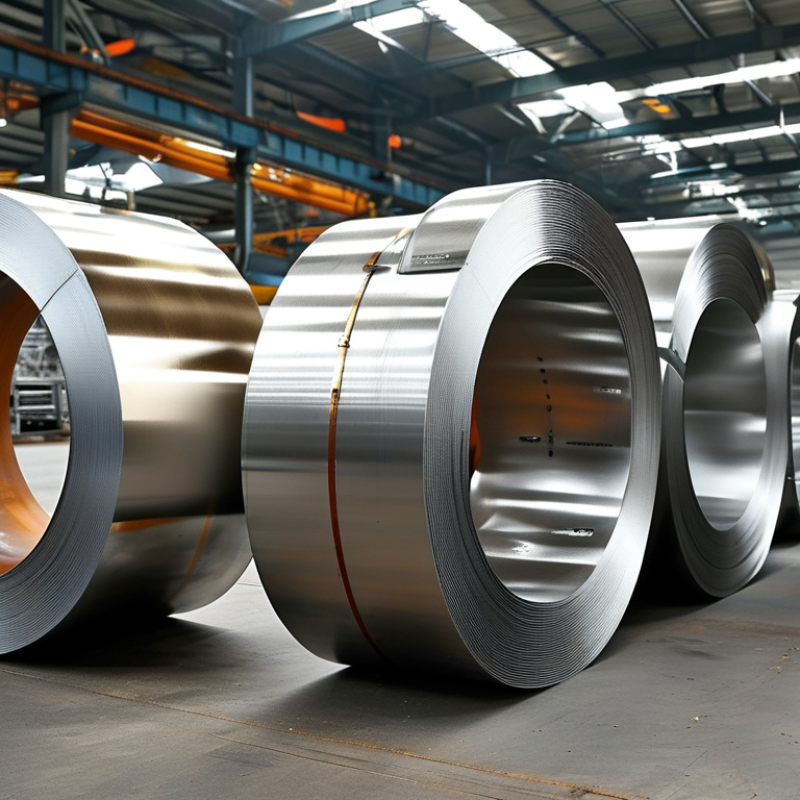
304 stainless steel is a widely used alloy known for its excellent corrosion resistance and versatility. This type of stainless steel typically consists of 18% chromium and 8% nickel. These components give 304 its unique characteristics. The chromium forms a protective layer that prevents oxidation. Meanwhile, the nickel enhances ductility and toughness. According to industry reports, it is estimated that around 70% of stainless steel production globally is 304 grade.
Due to its composition, 304 stainless steel is suitable for various environments. It withstands temperatures ranging from cryogenic to high heat. This makes it ideal for kitchen equipment, food processing, and chemical containers. A notable statistic shows that stainless steel used in the food industry has increased by over 30% in the last decade. However, while 304 is highly resistant to corrosion, it is not entirely impervious to acids. Environments with high chlorides can lead to pitting. This aspect highlights the need for careful material selection in specific applications.
Key Properties of 304 Stainless Steel Belt in Different Environments
304 stainless steel is widely recognized for its durability and versatility. Its composition includes 18% chromium and 8% nickel, which enhances its corrosion resistance. In applications where exposure to moisture and various chemicals occurs, 304 stainless steel shows remarkable performance. According to industry reports, this alloy retains its strength in temperatures ranging from -50 to 870 °C.
In harsh environments, 304 stainless steel performs efficiently. In marine applications, it resists saltwater corrosion effectively. However, in acidic settings, its protection diminishes, requiring careful consideration. A notable study found that 304 stainless steel can suffer from pitting under certain conditions, which could compromise integrity.
Manufacturers often choose this material for food processing and medical equipment due to its hygienic properties. Its non-reactive nature ensures food safety and maintains hygiene standards. Nevertheless, some professionals question its performance in highly chlorinated environments. Understanding these nuances can help in making informed decisions regarding material selection in diverse applications.
Properties of 304 Stainless Steel Belt in Different Environments
Common Manufacturing Processes for 304 Stainless Steel Belts
304 stainless steel is a versatile material widely used in various industries. Its manufacturing processes are crucial to delivering high-quality belts. Some common methods include cold rolling, hot rolling, and forging. Each technique offers unique benefits. Cold rolling improves surface finish and tight tolerances. Hot rolling is optimal for larger components.
When choosing a manufacturing process, consider the desired application. Certain processes yield different mechanical properties. For instance, cold-rolled belts are often stronger but can be less ductile. Balancing these factors is essential for performance.
Tip: Always evaluate the environment where the belt will be used. Factors like temperature and exposure to chemicals can impact long-term performance. Additionally, periodic inspection can help identify wear and tear early. Understanding your application can inform better choices in materials and processes.
What is 304 Stainless Steel Belt and Its Applications? - Common Manufacturing Processes for 304 Stainless Steel Belts
| Attribute |
Details |
| Material Type |
304 Stainless Steel |
| Corrosion Resistance |
Excellent against many corrosive media |
| Strength |
Good tensile strength and durability |
| Temperature Resistance |
Up to 870°C (1600°F) in intermittent service |
| Common Applications |
Food processing, chemical handling, and medical equipment |
| Manufacturing Processes |
Welding, cutting, and stamping |
| Finishing Options |
Polished, brushed, and matte finishes |
| Maintenance |
Regular cleaning recommended to maintain appearance |
Industries That Utilize 304 Stainless Steel Belts and Their Applications
304 stainless steel belts are widely used in multiple industries due to their unique properties. In food processing, for instance, their resistance to corrosion and ease of cleaning make them ideal. According to a recent market analysis, the food processing industry is projected to grow at a CAGR of 4.5% over the next five years. This trend boosts the demand for durable materials like 304 stainless steel.
In the pharmaceutical sector, these belts play a critical role. They contribute to maintaining cleanliness and preventing contamination. Reports indicate that the pharmaceutical machinery market is expected to reach $12 billion by 2025. This growth emphasizes the importance of reliable materials. Still, the challenge lies in balancing cost and quality. Some companies may prioritize one over the other, risking product integrity.
The automotive industry also employs 304 stainless steel belts. These are used in conveyor systems and other applications where strength is vital. With the automotive market projected to grow by 7% annually, the demand for strong, reliable materials is evident. Yet, organizations must reflect on their material sourcing strategies. Sustainability concerns require attention in material selection. Re-evaluating practices can lead to better outcomes in the long run.
Performance Metrics and Standards for 304 Stainless Steel Belts in Use
304 stainless steel belts are known for their versatility and durability. In various industries, these belts are crucial for numerous applications. Understanding their performance metrics is essential for effective usage.
The key performance indicators include tensile strength, corrosion resistance, and temperature stability. 304 stainless steel shows excellent tensile strength, making it suitable for heavy-duty applications. Its resistance to rust and corrosion enables long-term use in demanding environments. Temperature stability ensures that the belt maintains its properties, even under fluctuating conditions.
Certificates and standards also validate the quality of 304 stainless steel. Compliance with ASTM and ISO standards is necessary for many applications. However, not every belt performs flawlessly under all conditions. Regular inspections and maintenance can help identify wear and tear. This proactive approach enhances performance longevity and reliability. Different factors, like operating environment, can influence overall effectiveness.