How to Choose High Performance Wire Ropes for Your Needs?
Selecting the right wire rope can be challenging. In the realm of industrial applications, the demand for High Performance Wire Ropes is ever-increasing. Expert Sarah Thompson, a leading figure in the wire rope industry, states, "Choosing the right wire rope significantly impacts safety and efficiency." Her emphasis underscores the necessity of making informed decisions.
High Performance Wire Ropes are engineered for strength and durability. They play a crucial role in lifting and rigging applications. Different projects require various specifications. Factors like load capacity and environmental conditions need careful consideration. For instance, saltwater environments can corrode standard ropes, while specialized coatings can enhance longevity.
However, the process is not always straightforward. Misunderstanding the specifications can lead to poor choices. Industry professionals often face pressure to meet deadlines, which can compromise quality. It's essential to reflect on the implications of these decisions, recognizing that the right rope can prevent accidents and reduce costs in the long run. In navigating the selection of High Performance Wire Ropes, informed choices will yield the best results.
Understanding Wire Rope Construction: Materials and Design Factors
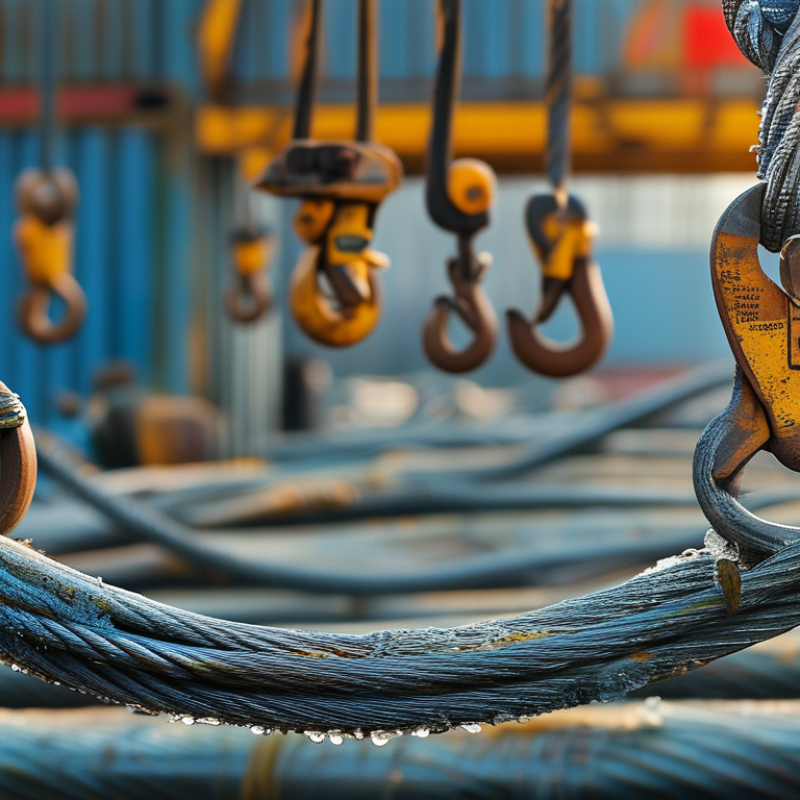
When selecting wire ropes, understanding their construction is crucial. The material is a primary factor. Common options include steel and synthetic fibers. Steel wire ropes are known for high tensile strength, while synthetic options offer lightweight characteristics and excellent corrosion resistance. According to industry reports, steel ropes can achieve a tensile strength of over 1,200 MPa, making them suitable for heavy loads. Different grades of steel affect performance, impacting durability and resistance to wear.
Design factors also play a significant role in wire rope performance. The construction pattern, such as the number of strands and wires in each strand, affects flexibility and strength. A rope with more wires in a strand usually performs better under bending loads. Reports show that wire ropes designed with a lesser lay ratio can improve fatigue life significantly. However, a more complex design increases manufacturing costs and may not suit every application.
Users need to consider their specific application and environmental conditions. For example, humid or marine environments require enhanced corrosion resistance. Regular evaluations of rope wear and performance can prevent product failures. Proper knowledge of wire rope construction helps make better choices tailored to specific needs.
How to Choose High Performance Wire Ropes for Your Needs?
| Material |
Diameter (mm) |
Breaking Strength (kN) |
Weight (kg/m) |
Applications |
| Steel |
12 |
98 |
0.9 |
Construction, Lifting |
| Stainless Steel |
10 |
80 |
0.7 |
Marine, Corrosion-Resistant Applications |
| Galvanized Steel |
14 |
120 |
1.1 |
Heavy-Duty Lifting, Manufacturing |
| Polyester |
16 |
70 |
0.5 |
Lightweight Applications, Rigging |
| Composition (Steel + Plastics) |
8 |
55 |
0.3 |
Flexible Applications, Automation |
Evaluating Load Capacity and Strength Requirements for Your Application
When selecting wire ropes for specific applications, understanding load capacity and strength is crucial. Load capacity refers to the maximum weight a rope can safely bear. It is essential to consider both static and dynamic loads. Static loads remain constant, while dynamic loads can fluctuate. The material and construction of the wire rope impact its ability to handle these loads effectively.
Strength requirements vary by application. For example, lifting equipment requires higher strength for safety. Evaluating the environment where the rope will be used is equally important. Factors such as temperature, exposure to chemicals, and moisture can weaken the material over time. A thorough risk assessment helps identify these issues early in the selection process.
It's common to underestimate the required strength. This can lead to premature wear and eventual failure. Regular inspections and assessments of the rope's condition can prevent accidents. Pay attention to signs of wear or frayed ends. Choosing the right wire rope isn't just about initial strength; it's about long-term reliability and safety.
Assessing Environmental Conditions: Corrosion Resistance and Durability
When selecting high-performance wire ropes, assessing environmental conditions is vital. Corrosion resistance plays a significant role. According to a study by the Wire Rope Technical Board, environments with high humidity and salt exposure can accelerate corrosion. For instance, corrosion can reduce the lifespan of wire ropes by up to 80% in marine applications. Choosing materials like stainless steel or specially coated wires can mitigate this risk.
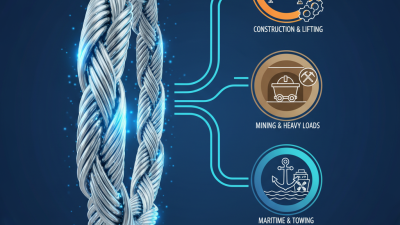
Durability is equally important. Wire ropes are often subject to extreme conditions. Research indicates that wire ropes used in construction and mining face wear and fatigue from constant use. In these settings, ropes that undergo rigorous testing for tensile strength and flexibility tend to perform better. Corrosion-resistant ropes not only last longer but also maintain their strength under stress.
It’s essential to consider the specific use case. Ropes designed for heavy lifting may differ significantly in composition compared to those used for towing. While some options might seem more cost-effective, durability often proves more cost-efficient in the long run. The choice of wire rope affects safety directly, so weigh your options carefully based on environmental conditions and desired lifespan.
Key Performance Indicators: Assessing Flexibility and Fatigue Resistance
When selecting high-performance wire ropes, flexibility and fatigue resistance are crucial factors. Flexibility allows the rope to bend easily, reducing wear and tear on both the rope and the equipment. A more flexible rope can navigate tight spaces and complex paths. However, excessive flexibility might compromise strength. Balancing these factors is essential for optimal performance.
Fatigue resistance determines how well a wire rope withstands repeated loads over time. A rope with high fatigue resistance can endure harsh working conditions. It reduces the risk of sudden failures, which can lead to costly downtime. However, not all applications require the same level of fatigue resistance. Evaluate your specific operating environment to make an informed choice.
Consider the specifics of your operation. Different environments can affect performance. For instance, exposure to moisture and chemicals might shorten a wire rope's lifespan. Regular inspection and maintenance are vital to retaining performance. Be prepared for adjustments, as no single rope will excel in all scenarios. Trust in real-world performance data to guide your decisions.
Cost-Benefit Analysis: Comparing High-Performance Options for Budget Needs
When considering high-performance wire ropes, a cost-benefit analysis is crucial. Quality often comes with a price tag, but understanding the return on investment is essential. High-performance wire ropes typically offer superior strength and durability. This quality can lead to reduced downtime and lower replacement costs over time. However, it is vital to assess whether the initial investment aligns with your budget constraints.
Expensive options may promise better performance. Yet, not all applications require top-tier solutions. For lighter tasks, more affordable ropes may suffice. It’s worth reflecting on your specific needs and usage scenario. Choosing a rope that exceeds your requirements can lead to unnecessary expenses. Alternatively, underestimating your needs can result in failures and safety risks.
Evaluating the long-term implications is essential. What seems like a bargain may lead to hidden costs. Look for the balance between quality and price. Engaging with knowledgeable suppliers can provide deeper insights. Consider asking about average lifespans and maintenance needs. This information can help clarify whether investing more upfront is truly the better option.