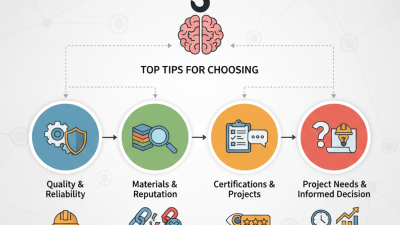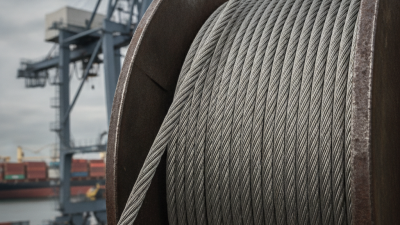
Choosing reliable Crane Rope Suppliers in China requires more than comparing prices on a marketplace. The right supplier should understand lifting conditions, rope construction, and the risks created by incorrect selection. A crane rope may look simple on a product page, yet its diameter, lay, core type, tensile strength, and coating can affect safety and service life. Small details matter.
Practical evaluation begins with clear technical communication. Ask suppliers for material certificates, test reports, production records, and inspection procedures. Confirm whether the rope is manufactured according to recognized standards and whether those standards match your crane design and local requirements. Experienced suppliers should explain breaking force, fatigue performance, lubrication, and recommended storage. They should not hide behind vague claims. Request samples when possible. Check the surface for broken wires, uneven strands, rust, or inconsistent winding. A factory visit can reveal more than polished photographs.
Price still matters, but it should not lead the decision. An unusually low quotation may reflect thinner materials, limited testing, or weak after-sales support. That is not always true, but it deserves questions. A dependable supplier can provide traceable batches, realistic delivery schedules, technical guidance, and responsive communication after shipment. My own assessment would also include packaging, export experience, and how the company handles complaints. No supplier is perfect. A careful buyer should record assumptions, verify documents, and compare evidence before ordering. This guide explains how to assess Crane Rope Suppliers with practical checks, technical judgment, and a healthy degree of caution.
Choosing a crane rope begins with understanding its construction. Rotation-resistant ropes suit single-fall lifting systems where twisting must remain controlled. Non-rotating ropes perform better with long lifts and freely suspended loads. Compacted ropes offer higher breaking strength and improved resistance to crushing. For harsh marine environments, corrosion-resistant materials may be more suitable. Fiber-core ropes provide flexibility, while independent wire rope cores handle heat and heavy tension better. The wrong core can shorten service life quickly.
Application details matter more than catalog descriptions. A tower crane lifting steel beams needs stable rotation control and reliable fatigue resistance. A port crane working near saltwater requires stronger corrosion protection. Consider lifting speed, drum diameter, reeving arrangement, shock loads, temperature, and daily operating hours. A 24-millimeter rope may look adequate, yet poor drum compatibility can cause uneven winding and local damage. Small details matter.
When comparing Chinese suppliers, request material certificates, breaking-load reports, dimensional records, and traceability documents. Ask whether production samples receive tensile, fatigue, and torsion testing. Experienced suppliers should explain rope selection without hiding behind technical terms. Check their inspection process, packaging quality, replacement policy, and ability to provide installation guidance. The cheapest quotation is rarely the safest decision. That sounds obvious, but purchasing teams still overlook it. No selection is perfect. Recheck the supplier’s advice against the crane manual, actual site conditions, and inspection findings before ordering.
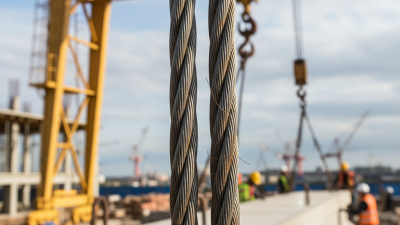
Choosing a reliable crane rope supplier in China starts with verifiable quality standards, not attractive quotations. ISO 2408:2017 defines requirements for steel wire rope construction, manufacture, and testing. ISO 4309:2017 provides inspection and discard guidance for crane ropes. A capable supplier should identify rope grade, diameter tolerance, breaking force, lay direction, and lubrication type on every quotation.
Ask for batch-specific certificates. Generic documents are weak evidence. Each certificate should match the heat number, production date, rope construction, and tested breaking load. Independent laboratory results add confidence, especially for fatigue and tensile performance. In practice, check the rope surface carefully. Broken wires, crushed strands, uneven lay, or dry patches can appear before installation. A factory audit should also review calibration records, sampling procedures, and traceability from wire rod to finished coil.
Safety data supports this caution. Great Britain’s Health and Safety Executive recorded 68 worker fatalities during 2022/23, although the figure covers all industries. Crane rope failures are not the only workplace hazard, but poor lifting equipment control can create severe consequences. Supplier selection should therefore include inspection support, storage instructions, and replacement criteria based on ISO 4309. Delivery speed matters less than consistent test evidence.
One practical weakness remains. Certificates can look complete while hiding small gaps. Confirm them with a pre-shipment inspection and random sample testing. Keep photographs, serial references, and inspection dates in one file. That extra step may feel excessive, yet it exposes inconsistencies before the rope reaches a busy site.
When choosing crane rope suppliers in China, examine proven experience beyond years in business. Ask for project records covering port cranes, tower cranes, or heavy lifting systems. The World Steel Association reported 1.89 billion tonnes of crude steel production in 2023, with China contributing about 1.02 billion tonnes. This capacity matters, but steel volume alone proves little. Request heat numbers, wire-grade certificates, and traceability from rod to finished rope.
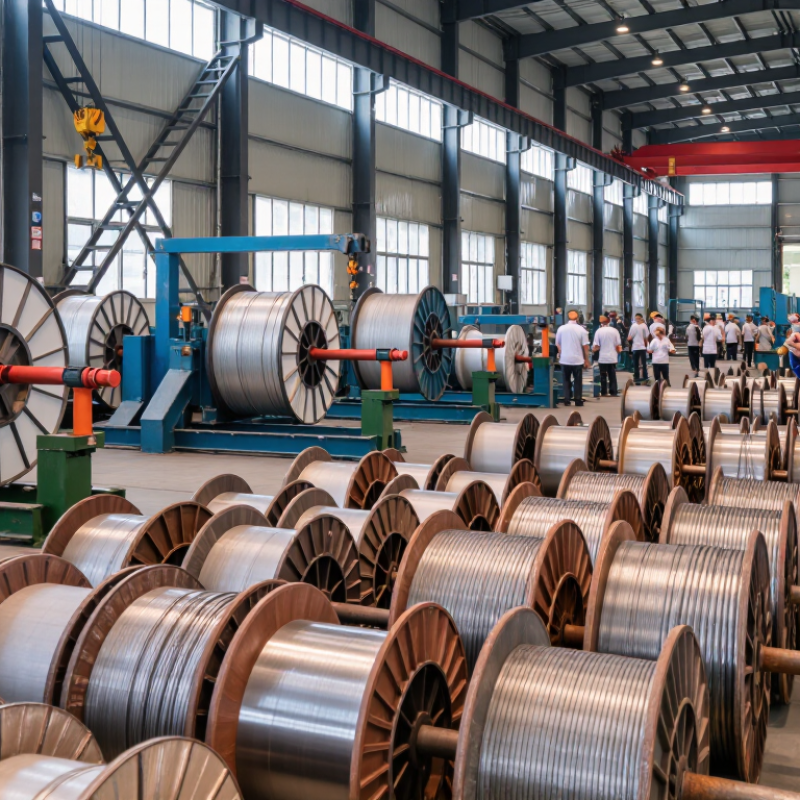
Walk through the factory, if possible. Check drawing machines, closing equipment, lubrication systems, and fatigue-testing facilities. A capable supplier should explain lay length, tensile class, core construction, and breaking-force results without hesitation. ISO 4309:2017 provides inspection guidance for crane ropes, including discard considerations. Ask whether the supplier records diameter loss, broken wires, and corrosion during testing. Small details expose weak controls.
Look for experience with ropes matching your drum diameter, fleet duty cycle, and reeving pattern. A supplier may show attractive samples. That is not enough. Request batch test reports and independent laboratory verification. No audit is perfect. I would also compare actual delivery records, complaint rates, and corrective-action reports. Some factories maintain excellent equipment but inconsistent documentation. That weakness deserves attention. A serious supplier should welcome technical questions, admit limitations, and propose a measurable improvement plan.
Supplier evaluation framework based on verifiable experience, production controls, testing capacity, and compliance evidence
| Evaluation Dimension | Measurable Indicator | Recommended Benchmark | Evidence to Request | Suggested Weight |
|---|---|---|---|---|
| Relevant Crane-Rope Experience | Years producing ropes for lifting, hoisting, tower-crane, mobile-crane, or port-equipment applications | At least 5 years of documented experience in the required application; experience should match the rope construction and operating environment | Production records, anonymized project references, application history, and technical case studies without disclosing customer identities | 15% |
| Applicable Standards | Ability to manufacture and inspect wire rope according to the specified standard | The supplier can clearly identify the applicable requirements of ISO 2408, EN 12385, ASTM A1023/A1023M, or the project-specific standard | Current certificates of conformity, standard cross-reference matrix, inspection plan, and product datasheets | 12% |
| Manufacturing Process Control | Control of wire drawing, heat treatment, stranding, closing, lubrication, and dimensional inspection | Documented process instructions, batch identification, calibrated equipment, and recorded in-process inspections for every production lot | Process flow chart, control plan, calibration records, batch-traceability sample, and nonconformance procedure | 15% |
| Testing and Laboratory Capability | Testing of breaking force, rope diameter, lay length, metallic area, elongation, and visual condition | In-house or qualified independent testing that covers all tests required by the purchase specification; testing equipment is calibrated and traceable | Recent test reports, equipment list, calibration certificates, laboratory scope, and sample test procedures | 15% |
| Material and Component Traceability | Traceability from steel wire rod and lubricant batches to finished-rope serial or lot numbers | The supplier can trace each finished rope to raw-material certificates, production date, machine, operator, inspection results, and dispatch records | Anonymized material certificate, lot card, production record, final inspection report, and packaging label | 10% |
| Quality Management System | Formal control of incoming inspection, production approval, final inspection, corrective action, and document retention | A current ISO 9001 certificate issued by an accredited certification body, supported by operating procedures and internal audit records | Certificate scope and validity, quality manual index, internal audit summary, corrective-action records, and complaint-handling process | 10% |
| Engineering and Customization | Capability to select rope construction, core type, lay direction, tensile grade, coating, end termination, and lubrication | Supplier provides a written technical recommendation based on load, fleet duty, sheave diameter, drum arrangement, bending cycles, and environment | Completed technical questionnaire, rope-selection calculation, drawings, installation instructions, and approval samples | 10% |
| Inspection and Discard Guidance | Support for installation, lubrication, periodic inspection, damage classification, and discard decisions | Supplier provides guidance aligned with ISO 4309 or the governing local safety regulation and explains limitations of its recommendations | Inspection checklist, lubrication guide, discard criteria, service manual, training materials, and technical support contacts | 8% |
| Production Capacity and Delivery Control | Available rope diameters, constructions, monthly capacity, minimum order quantity, and lead-time consistency | Declared capacity covers the required size and construction; supplier provides a written production schedule and maintains lot separation during delivery | Capacity statement, factory production plan, inventory policy, sample delivery records, and contingency plan for material or equipment disruption | 3% |
| Pre-Shipment and Third-Party Verification | Independently witnessed inspection before dispatch, including dimensions, marking, packaging, and test documentation | Supplier accepts a defined inspection and testing plan, with independent verification for safety-critical or high-value orders | Inspection and test plan, witness-point schedule, third-party inspection reports, photographs, packing list, and certificate package | 2% |
| Total Suggested Evaluation Weight | 100% | |||
Choosing a crane rope supplier in China requires more than comparing the lowest quotation. A useful comparison starts with rope construction, diameter tolerance, breaking load, coating, and inspection records. Ask whether the price includes testing, packaging, export documents, and spare length. A cheap offer can become expensive after these items appear. Check the cost per usable meter, not only the headline price. This matters.
Customization should match the crane, drum, sheave, operating cycle, and site conditions. A capable supplier should explain lay direction, core selection, lubrication, end terminations, and corrosion protection. Request a written drawing and sample approval before mass production. Small changes can affect delivery dates and installation safety. I would also ask for batch traceability and independent testing options. These details build confidence.
Delivery terms deserve the same attention as technical quality. Confirm production lead time, inspection time, port arrangements, shipment schedules, and responsibilities for delays. Use clear Incoterms and request progress photos when the order is time-sensitive. A supplier may promise fast delivery, yet raw material availability can change the plan. Written milestones often expose weak planning earlier than polite assurances. Still, no checklist is perfect; port congestion and approval changes can disrupt a realistic schedule. Leave a practical buffer.
Comparison of typical procurement benchmarks for price competitiveness, customization capability, and delivery flexibility. Scores are based on common sourcing conditions for steel wire rope and are not linked to any specific company or brand.
How to read the chart: A higher score indicates a more favorable purchasing condition. Stock supply usually provides the fastest delivery, standard production offers a balanced price and lead time, while custom production provides the greatest flexibility for diameter, construction, coating, end terminations, packaging, and inspection requirements.
Choosing a crane rope supplier in China requires more than comparing prices. Certification documents should be current, traceable, and relevant to your lifting application. Ask for factory quality certificates, material test reports, rope construction details, and inspection records. Check whether an independent body verified the documents. A certificate without a matching batch number deserves careful review. The supplier should also explain safe working loads, bending limits, drum compatibility, and inspection intervals in clear language.
Safety support reveals the supplier’s real expertise. Look for technical staff who can review your crane model and working conditions. They should provide installation guidance, lubrication advice, and warning signs for broken wires or corrosion. After-sales service matters just as much. Confirm response times, replacement procedures, spare availability, and written warranty terms. A reliable supplier keeps batch records and investigates failures instead of blaming operators immediately. Some suppliers promise fast help but provide vague answers later. That gap can become expensive.
Tips: Request a video inspection of the production line. Compare certificates with the rope markings. Ask for a sample inspection report. Test communication before ordering. Keep every document. Recheck assumptions with a qualified lifting professional, because even a careful choice can miss site-specific risks.