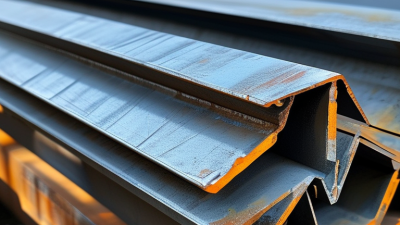
Choosing the right 304 Stainless Steel Angle in 2026 takes more than comparing prices. Dimensions, corner radius, surface finish, fabrication method, and exposure conditions all affect performance. A bright, clean angle may suit an indoor frame, while a coastal installation needs closer attention to crevices, cleaning, and chloride exposure. Grade alone is not a corrosion guarantee.
The International Stainless Steel Forum reported 58.4 million tonnes of global stainless steel production in 2023, showing the scale of this diverse materials market. That figure does not tell buyers which angle to choose. It does underline why clear specifications matter. Type 304 is commonly described as an 18% chromium, 8% nickel stainless steel; actual product chemistry must be checked against its certified specification. Corrosion specialist Roger Francis’s published work offers a useful selection principle, paraphrased here: match the alloy to the service environment, not simply to its name. This distinction is easy to miss when two angles look identical on a warehouse rack.
A practical assessment starts with the job. Will the angle carry a load, face repeated washing, or sit outdoors near salt spray? Check the mill certificate, dimensions, tolerances, and finish before ordering. Then confirm that the grade suits the operating conditions. 304 is versatile. It is not universal. This guide explains how to compare options, spot specification gaps, and make a more dependable purchase in 2026. The details matter.
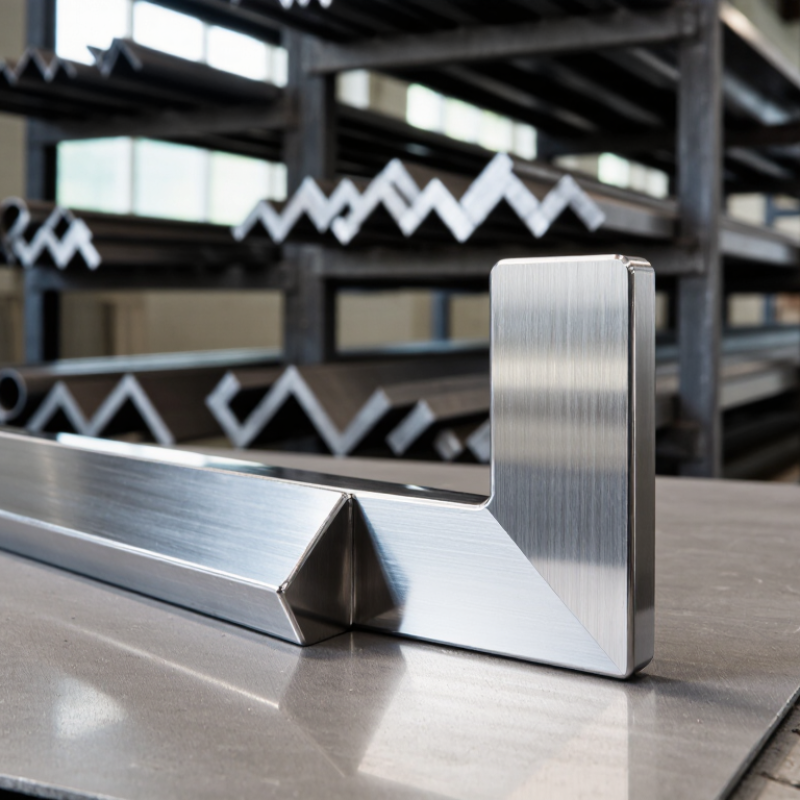
304 stainless steel angle is an L-shaped section valued for its balance of strength, formability, and corrosion resistance. Its chromium-rich surface forms a passive film that can recover when exposed to oxygen. The protection is not magic. Salt deposits, stagnant water, and harsh cleaning chemicals can still cause problems.
ASTM A240/A240M lists 304 with 18–20% chromium and 8–10.5% nickel. For flat products covered by that standard, minimum tensile strength is 515 MPa, yield strength is 205 MPa, and elongation is 40%. These figures help explain why 304 can be bent and fabricated, but they should not be assumed to describe every angle profile. Check the product specification and mill test certificate; section shape and manufacturing route matter.
For a practical selection, match the angle’s leg dimensions and thickness to the load and connection details. A thin leg may twist around a small bolt hole. In a damp workshop, wipe away cutting fluid and inspect corners where moisture can collect. 304 suits many indoor and mildly corrosive settings, yet chloride exposure can trigger pitting. I would not choose it from a grade label alone. Verify finish, tolerances, and the actual service environment before ordering.
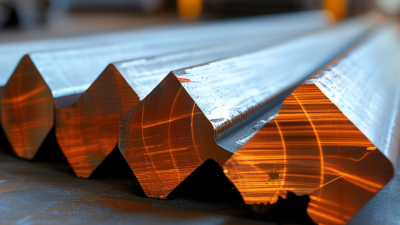
Choosing a 304 stainless steel angle starts with the load path, not the shelf label. Measure both legs, thickness, and length; then check how the angle will be supported. An equal-leg angle may suit a square frame, while an unequal-leg section can fit a tight corner or support an offset load. That offset matters: it can twist the section. Small detail. Big consequence.
Thickness should reflect bending, local buckling, fastening, and impact—not just the weight of the part. AISC Design Guide 27, Structural Stainless Steel, explains why section slenderness and restraint belong in the design check. ASTM A240/A240M lists minimum 304 plate yield strength of 205 MPa and tensile strength of 515 MPa; these are material specification values, not allowable design stresses for every angle product. Confirm the angle’s product standard and mill certificate. I would also question a choice that looks oversized: more metal adds weight, but may not fix poor support. For wet or chloride-exposed areas, review the environment carefully; 304 is not automatically the right grade. A dimensioned sketch helps catch mismatched legs before cutting.
Compare angle dimensions and thickness by their estimated mass per metre. Larger and thicker sections generally weigh more, so match the size to the load, span, and installation requirements.
Note: Values are theoretical estimates for equal-leg angles, calculated from the nominal dimensions and an assumed stainless steel density of 8,000 kg/m³. Actual section mass can vary with corner radii and manufacturing tolerances. Confirm structural suitability with an engineer.
A 304 stainless steel angle should be selected by how it will be used, not by appearance alone. A polished surface can suit visible trim, while a mill finish may be practical for concealed supports. Brushed surfaces can show scratches in one direction, so check the sample under the lighting where the angle will be installed. Looks are not enough. Surface texture also affects cleaning and how easily marks stand out.
Tolerance matters when angles must fit against plates, frames, or repeated assemblies. Confirm leg lengths, thickness, and squareness on the purchase specification; small differences can create uneven gaps along a long run. Ask the supplier how dimensions are measured and whether straightness is controlled. Do not assume every stock length will match a drawing exactly. That assumption can be costly.
Fabrication requirements should guide the choice, too. Tight bends, drilled holes, or welded joints may call for a trial piece before ordering a full batch. Cutting can leave burrs, and heat from welding may discolor the surrounding surface. Plan for finishing and cleanup, especially on exposed edges. It is easy to specify a very smooth finish and strict tolerances, then discover they add little value to a hidden bracket. Recheck what the part actually needs.
A 304 angle should be judged by its grade, product form, and paperwork, not by a bright surface. Hot-finished shapes may fall under ASTM A276; angles formed from plate may use ASTM A240. Match the standard to the manufacturing route. The Nickel Institute’s technical-property tables list Type 304 at 18–20% chromium and 8–10.5% nickel. Treat these figures as a screening check, not proof of the delivered batch.
Request an EN 10204 type 3.1 inspection certificate, then match its heat number to the bundle tag. Check that the report gives the specified chemistry and mechanical properties, and confirm the angle’s dimensions against your drawing. Portable XRF can quickly check chromium and nickel. It does not reliably measure carbon, so it cannot resolve every grade distinction alone. Even complete paperwork leaves a gap: it cannot prevent a mix-up after cutting.
Tips: Photograph the tag before cutting, and keep one labeled offcut with the certificate. If the heat number is missing or unreadable, pause and ask the supplier to trace the material.
In 2026, a low quote is only useful if the angle matches your drawings and arrives on time. Ask suppliers to confirm 304 grade, leg dimensions, thickness, length, tolerances, and available stock in writing. Request a material test certificate and verify that its heat number matches the delivered bundle. Small paperwork gaps can become costly.
Availability deserves a separate check. The International Stainless Steel Forum’s 2024 production report recorded about 62 million tonnes of global stainless-steel output, roughly 7% above 2023. That growth signals a large market, not guaranteed local stock of a specific angle size. Confirm actual warehouse quantities, cut-to-length capacity, and dispatch dates. A photo of bundled sections helps. So does a realistic delivery window.
Compare total landed cost, including cutting, packaging, freight, duties where applicable, and potential scrap. Nickel matters to 304 pricing: the World Bank Commodity Markets Pink Sheet reported an average nickel price near US$16,812 per tonne in 2024, down from about US$21,521 in 2023. Prices move, so request a dated quotation and ask how long it remains valid. I would still double-check the assumptions; “in stock” can mean stock at a distant warehouse.