How to Choose the Best Elevator Steel Wire Rope?
Choosing the right Elevator Steel Wire Rope is a safety and performance decision, not a simple diameter comparison. The rope must match the elevator’s traction system, rated load, travel speed, sheave dimensions, and operating conditions. A mismatch can contribute to uneven wear, poor traction, or more frequent maintenance. Small details matter.
Start with the elevator manufacturer’s specifications. Check the required rope construction, nominal diameter, tensile grade, and compatible lubrication. Then consider the building’s use. A busy office tower may place different demands on ropes than a low-rise residential elevator. A rope that looks robust may still be unsuitable. Appearance alone tells little.
A careful selection also considers how the rope will be installed, inspected, and maintained. Ask suppliers for clear product documentation, traceable specifications, and guidance on compatibility with the existing system. Compare those details with the equipment manual rather than relying on a sales description. If the system’s requirements are unclear, consult a qualified elevator professional before ordering.
Inspection provides useful context. Look for records of rope wear, corrosion, lubrication condition, and any uneven tension across the set. These observations can help explain what the elevator needs, but they do not replace a professional assessment. Even experienced teams can overlook a small mismatch when replacement feels routine. That deserves a second look.
This guide explains the factors behind a suitable rope choice and the questions worth asking before purchase. It does not treat one construction as best for every elevator. The right choice depends on verified equipment requirements, operating conditions, and competent maintenance. A little caution now can prevent an expensive mistake later.
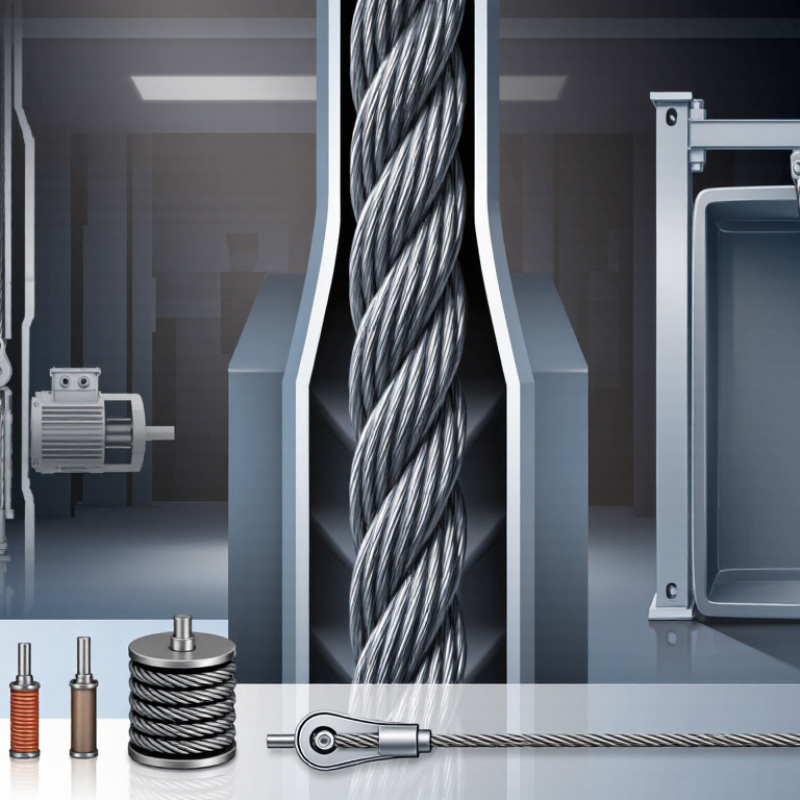
Define the Elevator’s Load and Operating Conditions
Before selecting elevator steel wire rope, define the actual load and duty cycle. Record the rated payload, car mass, counterweight, rope count, and reeving arrangement. The rope tension depends on the complete suspended system, not the payload alone. A 1,000 kg rated load does not mean each rope carries 1,000 kg. Load sharing, acceleration, and installation details matter.
Describe how the lift operates. Note rated speed, travel height, sheave diameter, starts per hour, and typical passenger or freight loading. Frequent starts and heavy use can increase fatigue exposure. ISO 4344:2022 provides minimum breaking-force tables by rope diameter, grade, and construction; diameter alone cannot establish suitability. Apply these data with the lift’s design requirements, including the relevant provisions of ISO 8100-1:2019. It is tempting to size by rated load alone. That shortcut can mislead. Small details matter.
Tips: Gather nameplate data and duty-cycle records before requesting rope selection. If actual loading differs from the design assumptions, pause and have a qualified lift engineer verify the required rope construction and safety factors. A neat calculation still depends on accurate inputs.
Compare Rope Constructions, Materials, and Lubrication
Elevator rope selection starts with construction. A 8×19 rope offers a practical balance of flexibility and wear resistance, while compacted strands can improve contact with sheaves. Fibre cores add flexibility; steel cores better resist crushing. ISO 4344:2022 covers lift ropes with nominal diameters from 6 mm to 38 mm and sets minimum requirements. Its scope is a useful baseline, not a substitute for checking the elevator’s rated load, sheave ratio, and manufacturer specifications. Small details matter.
Material and lubrication work together. Bright steel is common, while galvanized wire can offer added corrosion protection in damp environments. The Wire Rope Users Manual from the Wire Rope Technical Board describes lubrication as protection against corrosion and internal friction. Too little lubricant can leave dry, rusty strands; too much may attract dust and hide wear. I still find lubricant condition easy to overlook during visual checks.
Tips: Match rope construction and grade to the elevator design, then inspect for broken wires, diameter loss, and uneven lubrication. Record measurements over time. ISO 4344 provides requirements, but field condition decides when closer assessment is needed.
Match Rope Diameter, Strength, and Compatibility to the System
How to Choose the Best Elevator Steel Wire Rope?
Match Rope Diameter, Strength, and Compatibility to the System
Choosing an elevator steel wire rope starts with the elevator’s approved specifications, not a guess based on appearance. The diameter must match the sheave grooves and rope layout. Even a small mismatch can cause uneven wear, vibration, or poor traction. Small differences matter. Check the required rope construction and minimum breaking strength in the system documentation. A higher strength rating alone does not make a rope suitable; its construction and flexibility must also suit the drive.
Tips: Compare the rope’s stated diameter, construction, and strength with the elevator records. Ask a qualified elevator professional to confirm compatibility before ordering. Do not guess.
Compatibility includes more than diameter. Check the sheave profile, suspension arrangement, terminations, and any specified lubrication requirements. A rope that fits the groove may still be unsuitable if its construction differs from the approved design. During inspection, look for flattened strands, rust, broken wires, or unusual wear near the sheaves. These signs deserve professional assessment, not a quick adjustment. Records may be incomplete, too. If specifications are unclear, pause and verify them with the system’s technical documentation and a qualified service provider.
Verify Safety Standards, Certifications, and Supplier Quality
When choosing elevator steel wire rope, check whether its certificates match the rope’s exact construction, diameter, and intended application. A general quality certificate is not enough. Ask for current test reports, batch identification, and traceability records that connect the delivered rope to its production checks. Confirm that the stated standards and certifications apply in your region and to your elevator design. A qualified elevator professional can help verify that detail.
Look beyond paperwork. Request information about tensile testing, dimensional inspection, lubrication, and the supplier’s process for handling nonconforming products. Check whether records are consistent across the certificate, test report, and delivery documents. Small mismatches matter. A neat certificate can still leave questions about the actual batch. If possible, review the supplier’s quality controls or arrange independent testing before installation. Even careful suppliers can have documentation gaps, so ask direct questions and keep the answers on file. The right rope should be supported by evidence, not just confident claims.
How to Choose the Best Elevator Steel Wire Rope
Verify applicable safety standards, certifications, and supplier quality evidence.
This scope map is a guide, not a compliance score. ISO 4344 and EN 12385-5 address elevator rope requirements; ASME A17.1/CSA B44 addresses elevator and escalator system safety; ISO 9001 addresses quality management systems. Confirm the applicable edition and local requirements, and request traceable product documentation from the supplier.
Plan Installation, Inspection, and Replacement
Choosing an elevator steel wire rope is only part of the job. Installation planning matters just as much. Confirm the required rope construction, diameter, strength, and termination details against the elevator manufacturer’s specifications. Check that the rope suits the sheaves and operating conditions. Small details matter. A qualified elevator technician should handle installation, verify alignment, and check that the ropes share tension evenly. A slight imbalance can cause uneven wear and a rough ride.
Set an inspection schedule before the elevator returns to service. Record rope condition and measurements so changes are easier to spot over time. Look for broken wires, corrosion, damaged strands, unusual wear, and signs of poor lubrication. Also note vibration or noise, though neither proves rope damage on its own. Inspection frequency depends on equipment, usage, and applicable requirements. Records help, but they do not replace a hands-on assessment. That is easy to overlook.
Plan replacement around inspection findings and the manufacturer’s guidance, not appearance alone. A technician can assess whether one rope or a full set needs replacement, and whether related sheaves or terminations require attention. Keep the elevator out of service during work. Afterward, document the installation and arrange follow-up checks. Even a careful plan may need adjusting when the ropes reveal wear that earlier records missed.